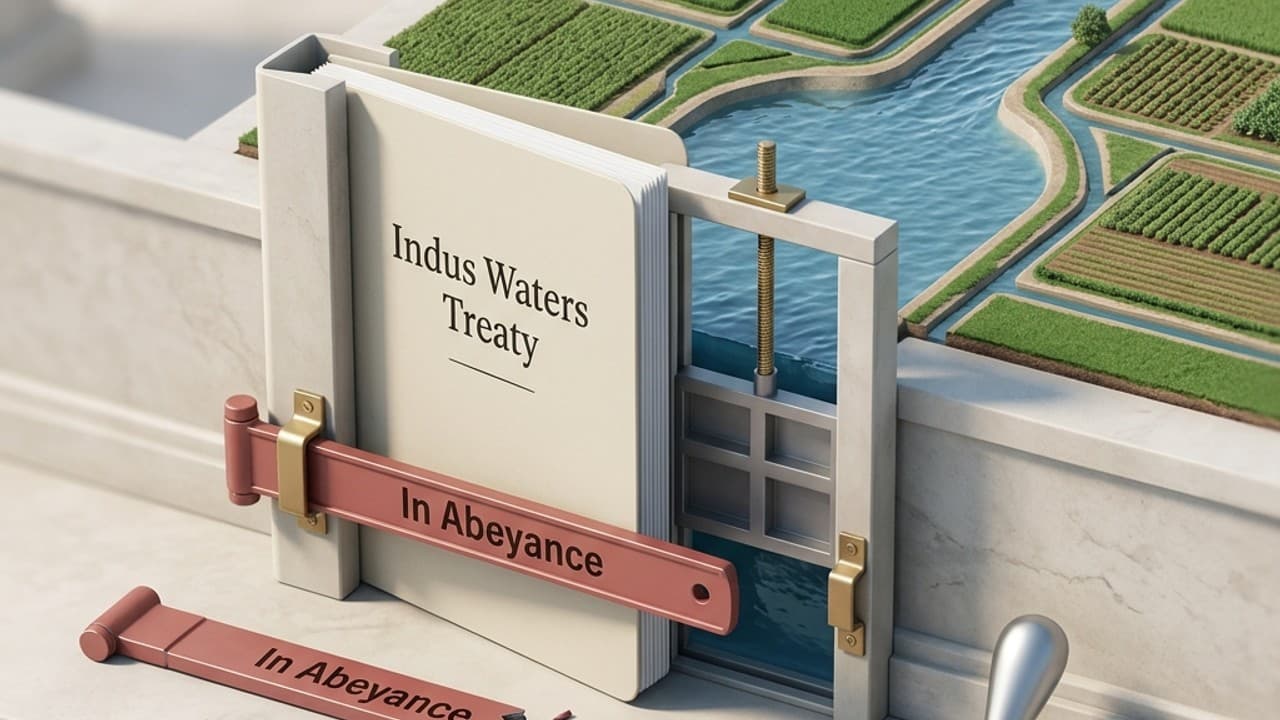
Hague Ruling Strips India's Justification for Suspending Indus Waters Treaty
Legal and water policy experts have concluded that India no longer holds any credible justification to keep the Indus Waters Treaty (IWT) in abeyance following a landmark ruling by the Permanent Court of Arbitration in The Hague. The ruling, described by analysts as historic, has significantly strengthened Pakistan's legal position and is expected to reframe the diplomatic and legal contest over the treaty.
The Hague court's decision reaffirmed the binding nature of the IWT's dispute resolution mechanisms, directly undermining New Delhi's claim that it could unilaterally suspend the treaty without legal consequence. India had moved to hold the IWT in abeyance following a spike in bilateral tensions with Pakistan, a position experts now say is legally untenable in light of the court's findings.
The Indus Waters Treaty, brokered by the World Bank in 1960, governs the allocation of water from the Indus river system between Pakistan and India. For Pakistan, the treaty is an existential instrument: the country's agricultural economy is almost entirely dependent on waters governed by the accord. Any prolonged suspension or unilateral alteration by India carries severe consequences for millions of Pakistani farmers and the broader food security architecture.
Experts speaking in the wake of the ruling have called on the international community to pressure India to fully re-engage with the treaty framework and comply with the arbitration outcome. Pakistan's government has welcomed the court's position and is expected to use the ruling as diplomatic leverage in ongoing bilateral engagements and international forums.
The ruling comes at a moment of heightened India-Pakistan tensions and is likely to have significant downstream effects on how the two countries manage their contested water relationship in the years ahead. Analysts warn that India's continued defiance of the treaty mechanism, now rendered legally indefensible by the Hague decision, could trigger further international arbitration proceedings.
Similar Stories
Background and related coverage on this story.

Trump Warns US Will Destroy Iran Militarily If Nuclear Deal Collapses
United States President Donald Trump on Sunday revealed a key concession being offered to Iran in ongoing nuclear negotiations while simultaneously issuing a stark warning that the United States would 'finish it off militarily' if a diplomatic agreement fails to materialise. The statement represents one of the most direct articulations of Washington's military threat posture toward Tehran in the current negotiating round.
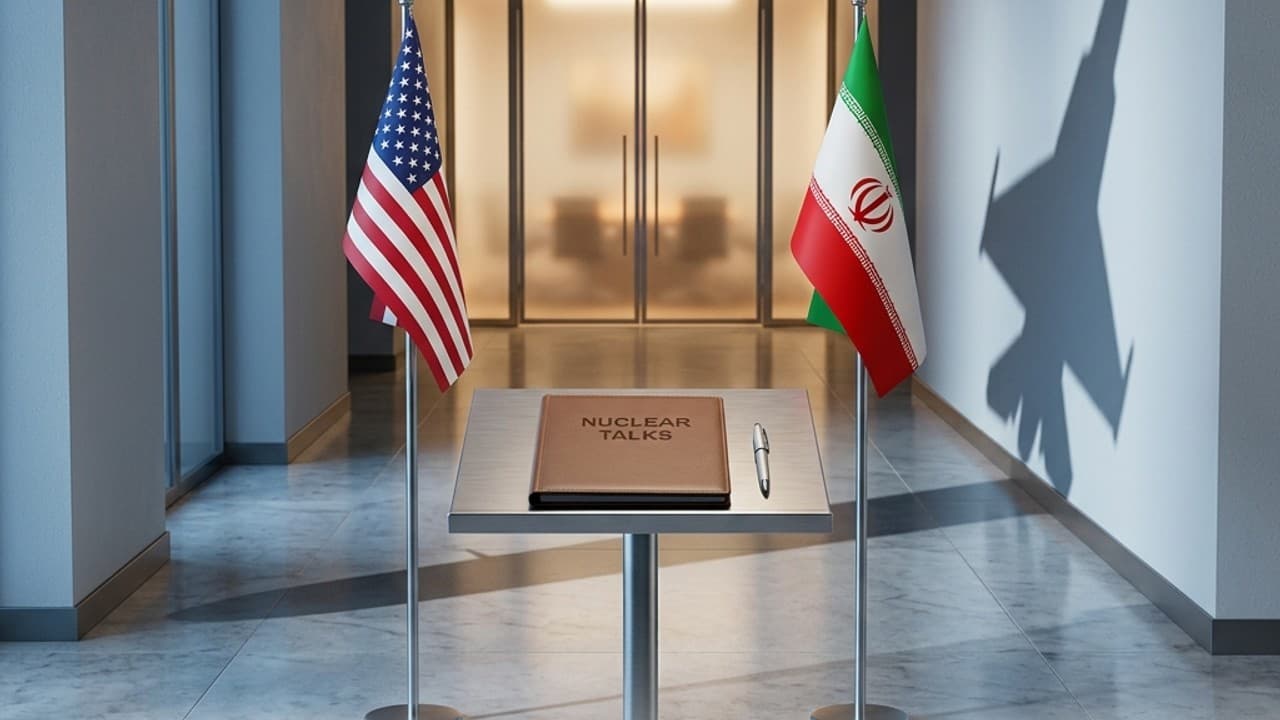
US Warns War Remains Option Despite Productive Iran Nuclear Talks
The United States has characterised ongoing nuclear negotiations with Iran as productive while simultaneously refusing to rule out military action, sustaining the dual-track pressure strategy that has defined Washington's posture throughout the diplomatic process. Senior US officials conveyed the warning as both governments continue to evaluate the terms of a potential agreement, underscoring that progress at the table has not diminished the military option as a tool of coercion.

Trump Says Iran Deal Decision Imminent, Demands Hormuz Strait Opening
US President Donald Trump declared on Friday that a decision on a potential deal with Iran is imminent, and issued a direct demand that the Strait of Hormuz must remain open, raising the stakes in an already volatile standoff with significant consequences for global energy markets. Trump's statement represents one of the sharpest public ultimatums issued by Washington in the current Iran nuclear negotiating cycle.
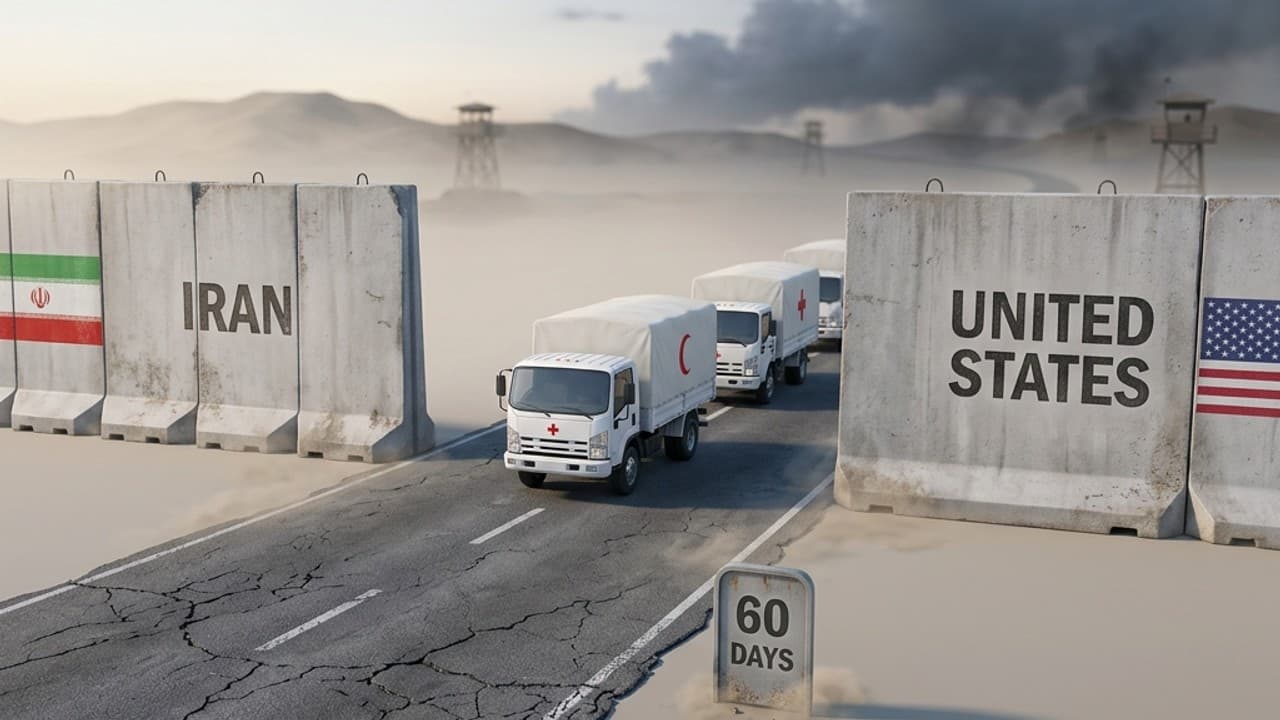
Iran and US Agree Plan for 60-Day Ceasefire Extension
Iran and the United States have reached a tentative agreement on a framework to extend the existing ceasefire by 60 days following the latest wave of military attacks, diplomatic sources confirmed. The agreement marks a significant, if fragile, step in de-escalating one of the most volatile confrontations in the Middle East in recent years.
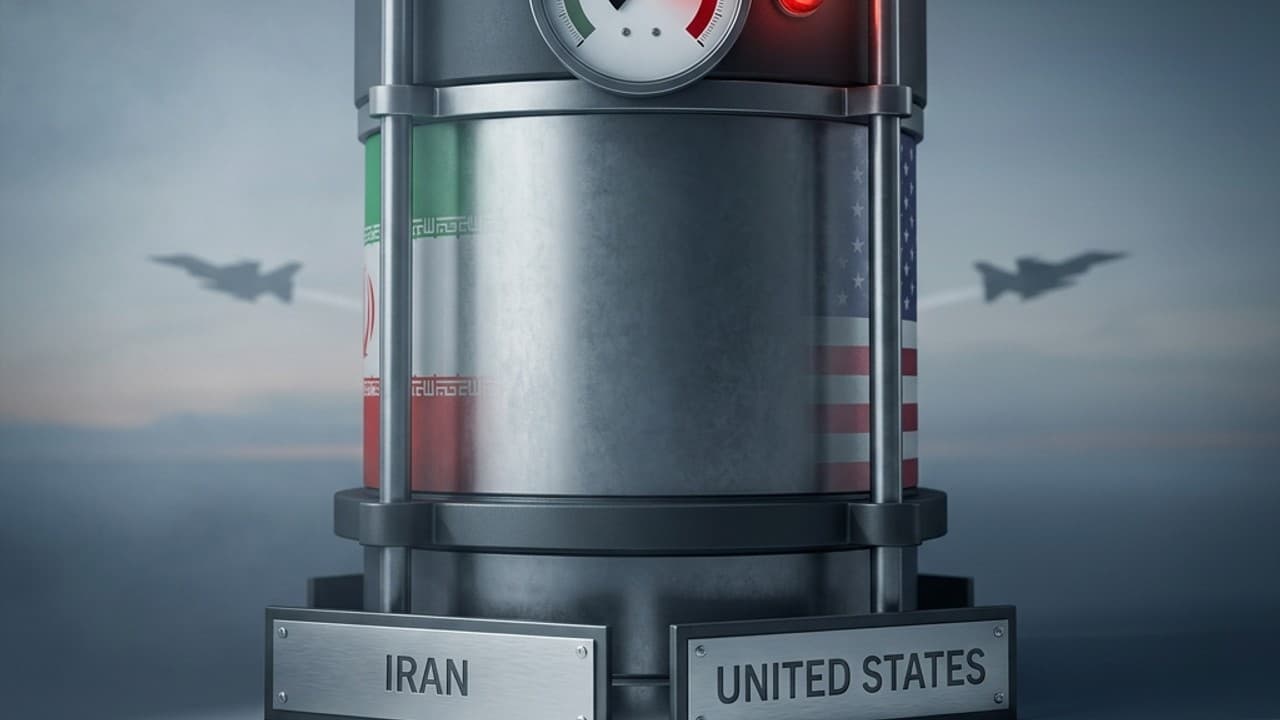
Iran Issues Nuclear Ultimatum as Military Tensions With US Intensify
Iran has issued a blunt nuclear ultimatum as tensions with the United States reached a new peak, with the confrontation marking one of the most dangerous flashpoints in relations between Tehran and Washington in years. The development comes amid reports of mutual airstrike exchanges that have dramatically elevated the risk of broader regional conflict.
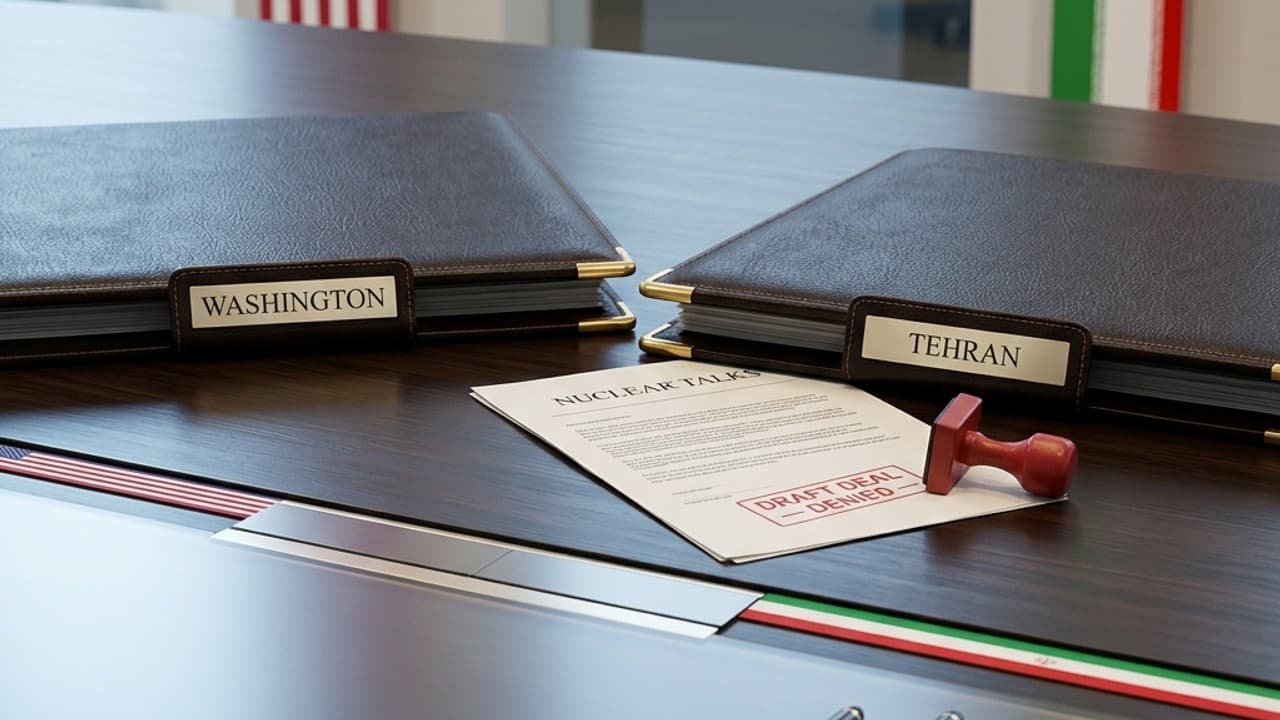
Trump Cabinet Signals Iran Nuclear Deal Progress Within Days
Senior members of the Trump administration expressed cautious optimism on Wednesday, signalling that a potential nuclear agreement with Iran could materialise within hours or days, as diplomatic talks entered a critical phase. Cabinet officials publicly indicated forward momentum in negotiations, raising expectations of a breakthrough in one of the most consequential diplomatic undertakings of the administration.