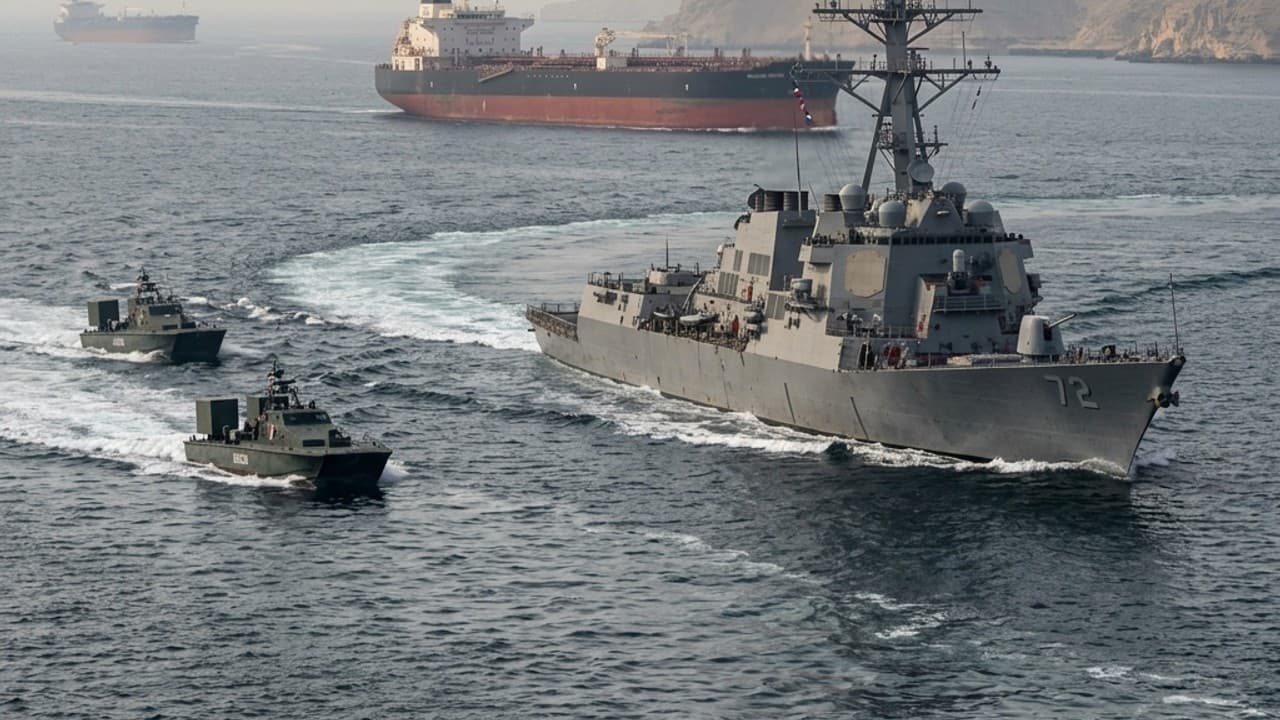
Iran Claims US Warship Repelled from Strait of Hormuz; Washington Denies Strike
Iran claimed on Monday that it had forced a United States warship to retreat from the Strait of Hormuz, one of the world's most critical maritime chokepoints through which approximately a fifth of global oil supply transits. Tehran alleged that its naval forces had compelled the vessel to withdraw, though the precise circumstances of the confrontation remain disputed.
The United States categorically denied that any missile strike had taken place, rejecting Iranian claims about the nature of the incident. Washington's denial stops short of addressing whether a naval encounter occurred, leaving the factual record contested between the two governments at a moment of heightened regional tension.
The Strait of Hormuz is of acute strategic importance, serving as the primary export route for crude oil from Saudi Arabia, Iraq, Kuwait, and the UAE. Any disruption or militarisation of the waterway immediately triggers concern among global energy markets, insurance underwriters, and maritime shipping operators.
The incident compounds already elevated tensions in the Persian Gulf region and could have cascading implications for oil price volatility, regional security calculations, and the posture of US naval assets in the area. Pakistan, which imports a substantial share of its energy requirements from Gulf producers, would face direct exposure to any prolonged Hormuz disruption.
Similar Stories
Background and related coverage on this story.

Russia Strikes Ukraine Danube Port as Ukraine Launches Drone Attack on Moscow
Russian forces conducted a strike on a Ukrainian port facility along the Danube River on Tuesday, targeting critical grain export infrastructure in one of Ukraine's key alternative shipping corridors, as Ukrainian forces simultaneously launched a drone offensive directed toward Moscow. The dual escalation marks a significant intensification of the conflict on both conventional and asymmetric fronts.
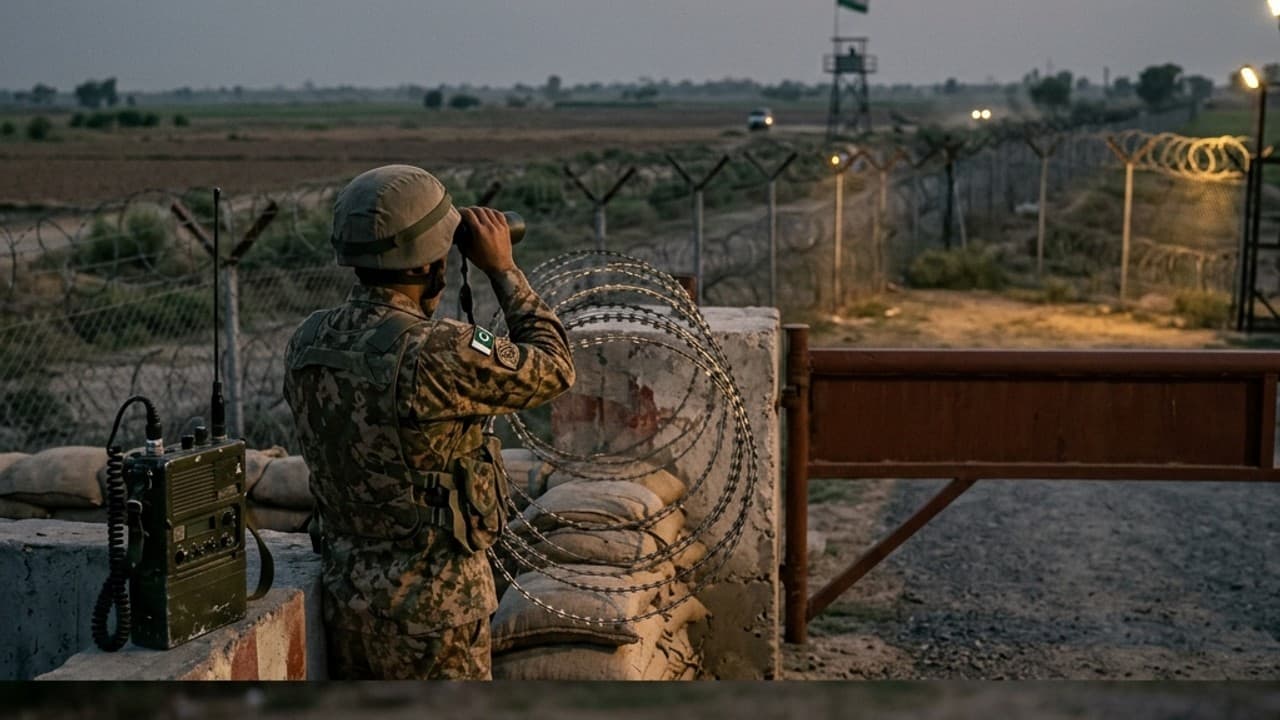
Pakistan Warns India of Historical Consequences Over Any Military Misadventure
Pakistan has issued a stark warning to India, stating that any military misadventure against the country would relegate India to the pages of history. The statement signals an escalation in rhetorical posturing amid already heightened bilateral tensions between the two nuclear-armed neighbours.
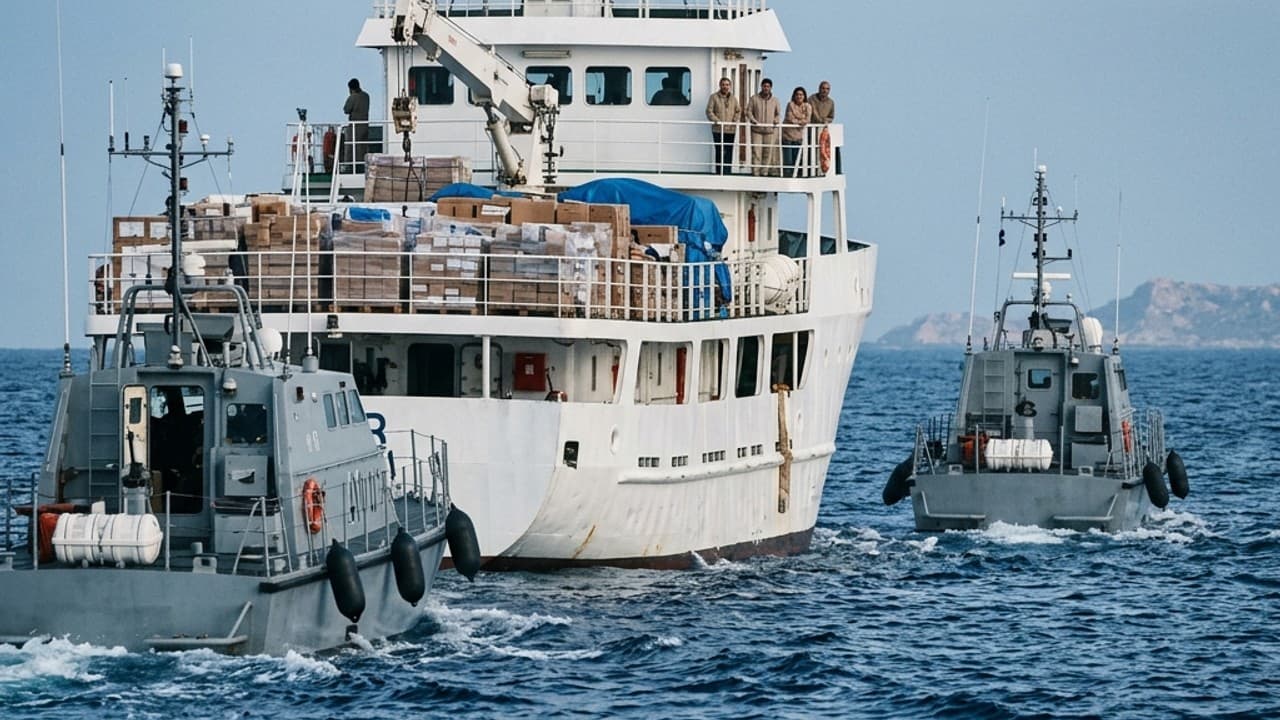
Israeli Forces Intercept Gaza-Bound Flotilla Near Cyprus
Israeli naval forces have intercepted a Gaza-bound humanitarian flotilla in international waters near Cyprus, according to organisers aboard the fleet, marking a sharp escalation in tensions over maritime access to the besieged enclave. The interception represents a direct confrontation between Israeli defence assets and civilian aid vessels operating under international humanitarian mandates.
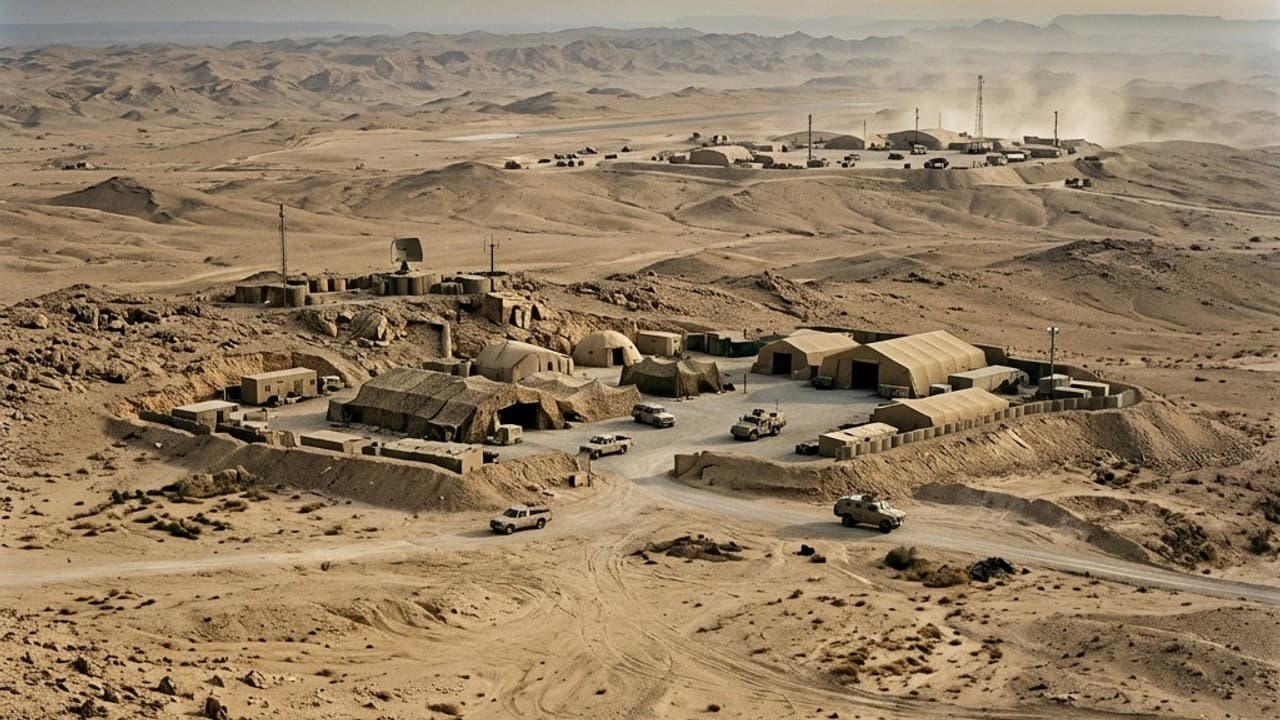
Israel Ran Two Covert Bases in Iraqi Desert, NYT Reports
Israel secretly operated two covert military bases in the Iraqi desert, according to an investigative report published by The New York Times. The revelation represents a significant disclosure about Israeli operational reach into Arab territory and is likely to reverberate across regional diplomatic and security calculations.
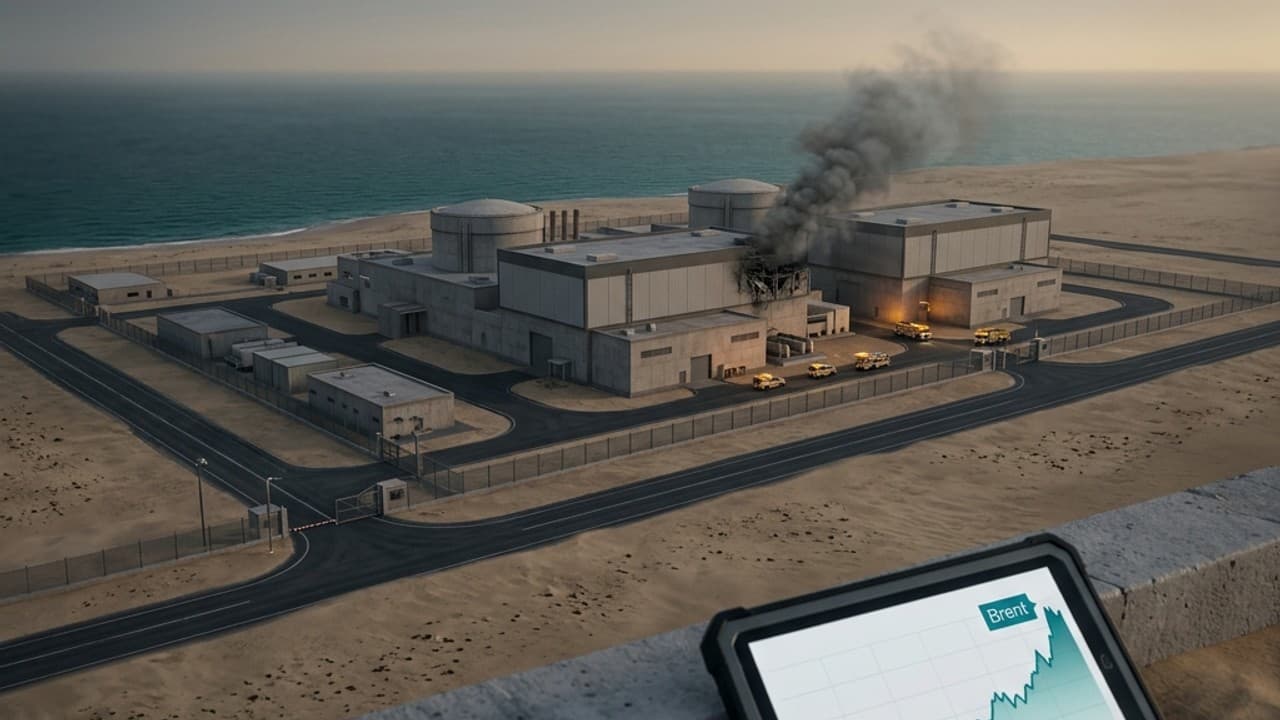
Drone Strike on UAE Nuclear Plant Pushes Oil to Two-Week High
A drone attack on a nuclear power plant in the United Arab Emirates has sent oil prices to their highest level in two weeks, as energy markets responded to what analysts described as a significant escalation in the geographic scope of Middle East hostilities. The strike introduced a new front in the regional conflict, directly targeting Gulf energy and nuclear infrastructure.
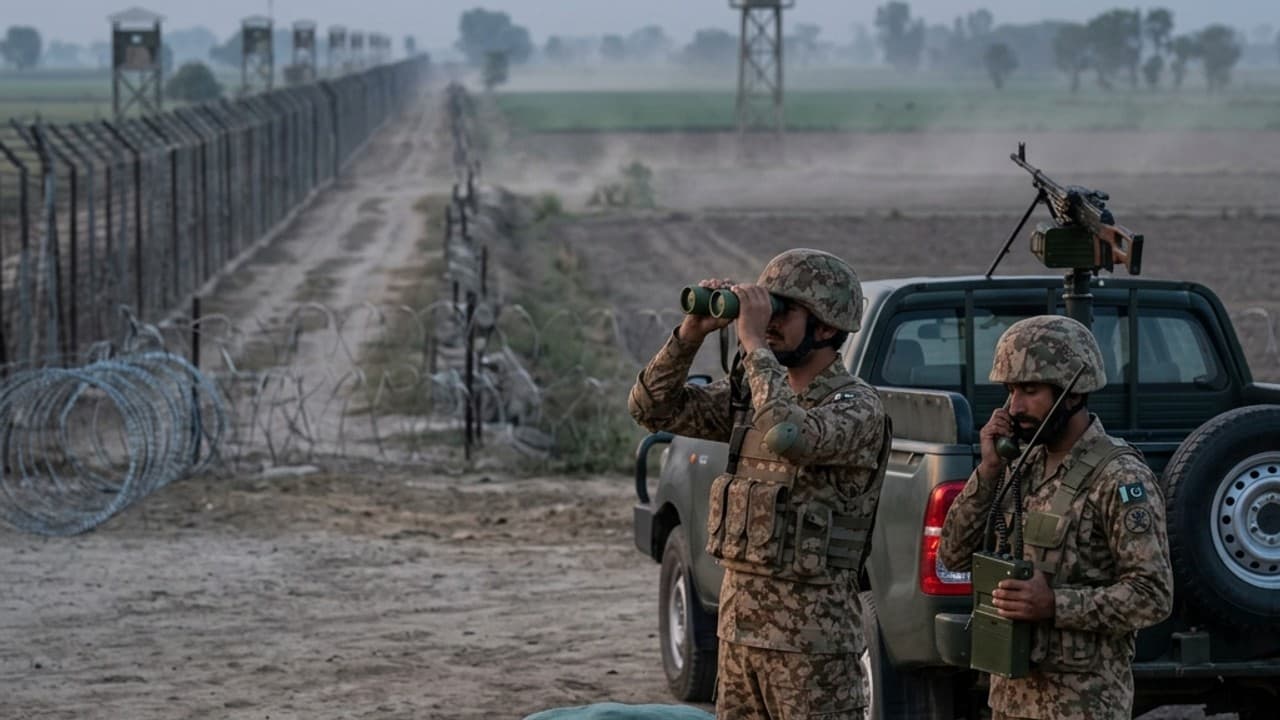
Pakistan Army Warns India Against Any Military Strike
Pakistan's military has issued a direct and unambiguous warning to India against any attempted strike on Pakistani territory, in one of the most pointed public deterrence statements the armed forces have issued in recent memory. The warning, attributed to the army's leadership, signals a heightened state of alert along the eastern frontier and comes amid persistent tensions between the two nuclear-armed neighbours.