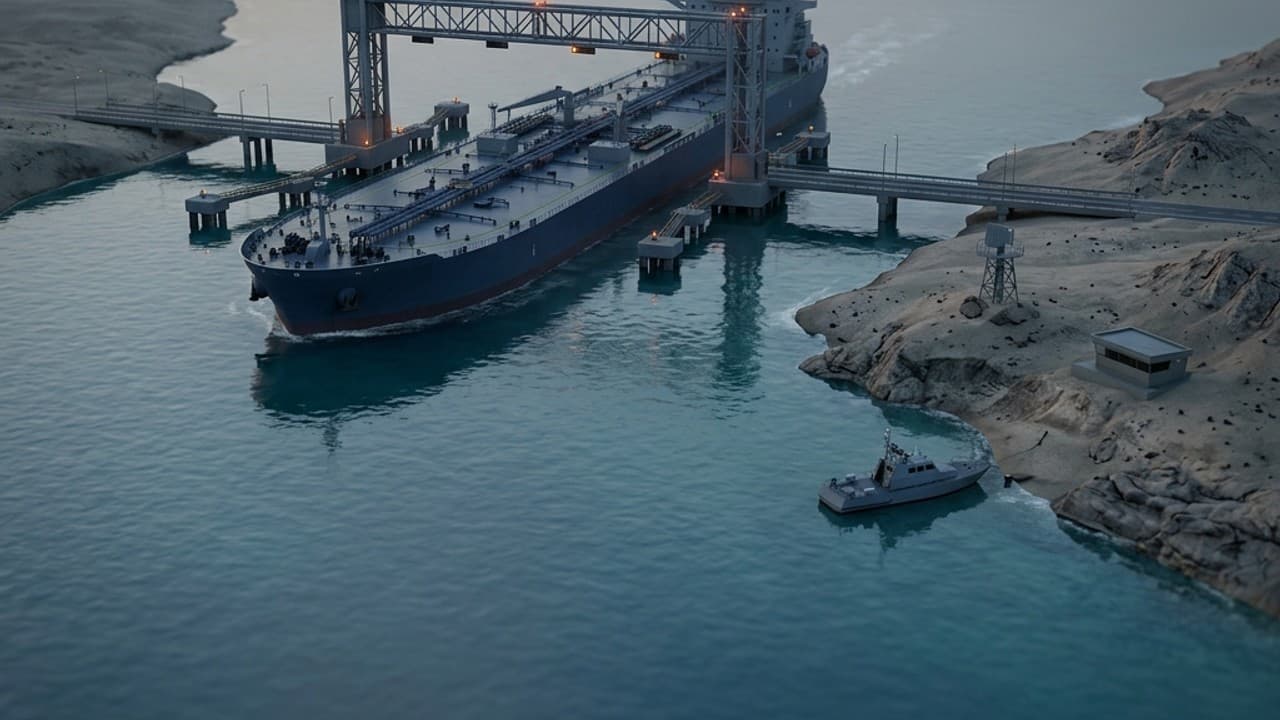
Iran Military Asserts Hormuz Control Will Yield Major Economic Revenues
Iran's military has publicly declared that its control over the Strait of Hormuz will generate significant economic revenues, a statement that signals Tehran's intent to monetise its strategic dominance over one of the world's most critical maritime chokepoints. The assertion escalates the geopolitical stakes around a waterway through which approximately one-fifth of global oil supplies transit daily.
The Strait of Hormuz has been a focal point of regional tensions involving Iran, the United States, and Gulf Arab states for decades. Iran's latest declaration comes amid heightened conflict dynamics in the broader Middle East and appears designed to communicate both military capability and economic leverage to adversaries and trading partners alike.
The prospect of Iran imposing fees, restrictions, or selective access controls over Hormuz would send immediate shockwaves through global energy markets. Any disruption to free navigation through the strait could spike oil prices sharply, with cascading effects on import-dependent economies including Pakistan, which remains heavily reliant on Middle Eastern energy imports.
International maritime law, specifically the United Nations Convention on the Law of the Sea, guarantees freedom of transit passage through international straits. Iran's claims of control authority over Hormuz are contested by the United States and its regional allies, who have maintained naval presence in the Gulf to deter exactly this kind of unilateral assertion.
Analysts view the statement as part of a broader Iranian strategy of strategic deterrence and economic coercion, leveraging geography at a moment of regional military pressure. The implications for global energy security and regional stability are profound.
Similar Stories
Background and related coverage on this story.
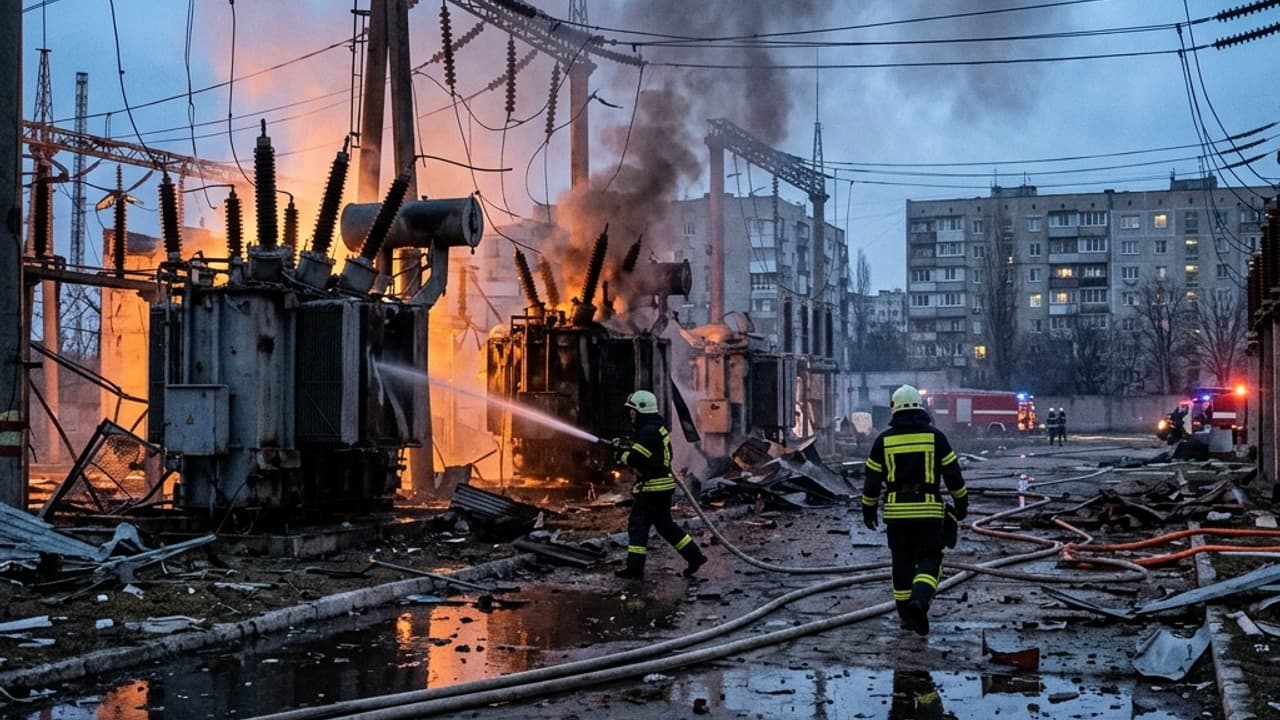
Russia Launches Large-Scale Air Attack on Ukrainian Infrastructure
Russia launched a major air attack targeting Ukrainian infrastructure on Wednesday, according to Ukrainian military intelligence. The strike represents one of the more significant aerial bombardments in the ongoing conflict, with early reports indicating damage to critical civilian and energy installations.
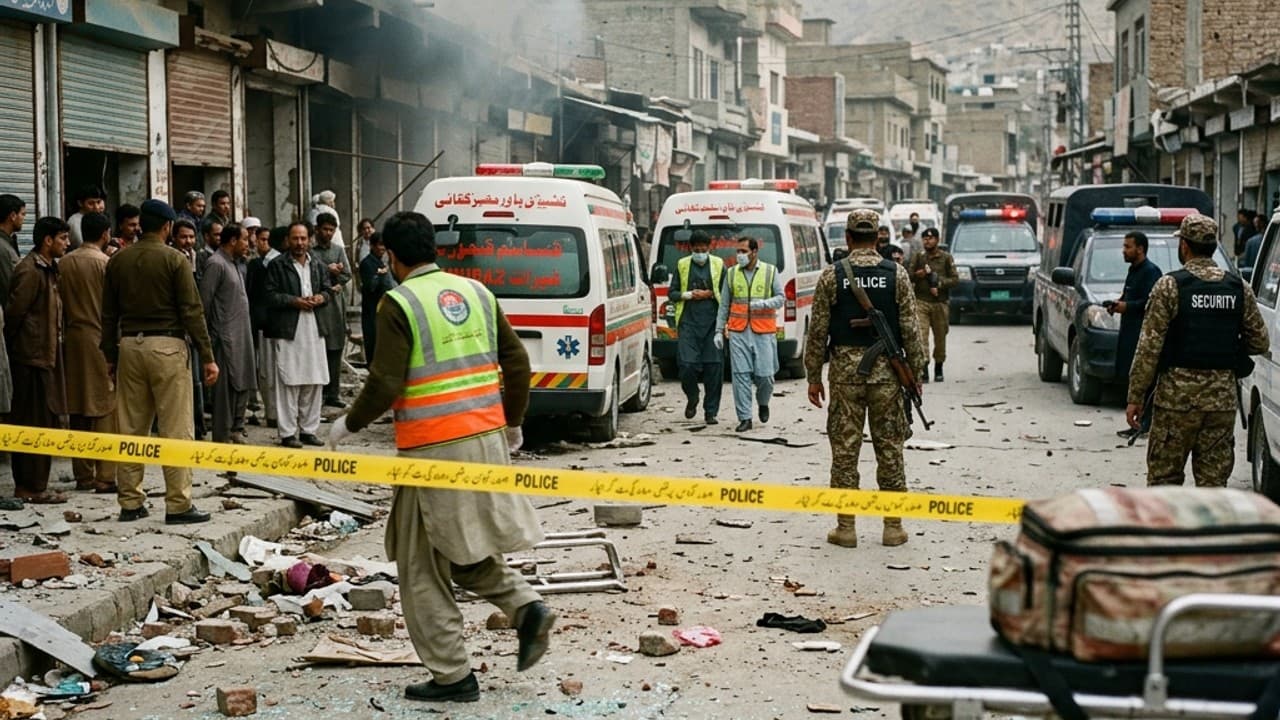
Wave of Terrorist Attacks Kills 23 Across Khyber Pakhtunkhwa
A coordinated wave of terrorist attacks struck multiple locations across Khyber Pakhtunkhwa on Wednesday, leaving at least 23 people dead and dozens more injured in one of the province's deadliest mass-casualty events in recent months. The attacks, occurring in rapid succession, have triggered emergency responses from provincial and federal security authorities.
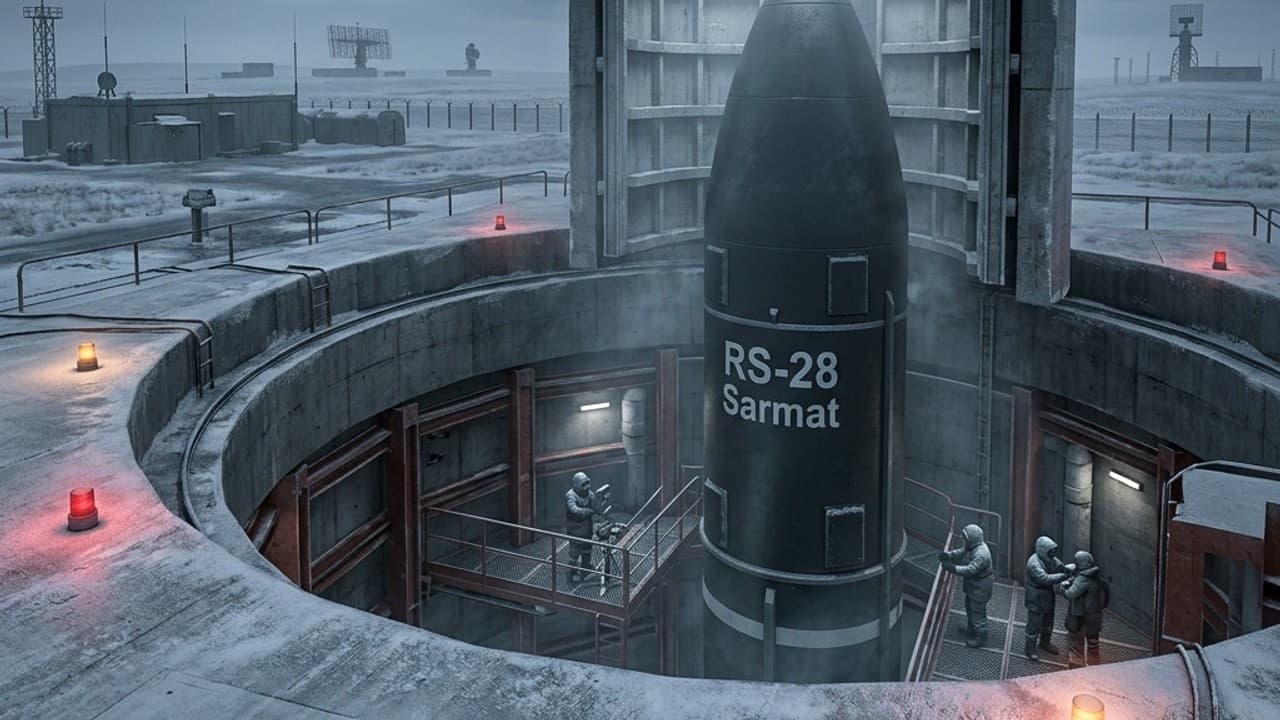
Putin Announces Russia Will Deploy New Sarmat Nuclear Missile in 2026
Russian President Vladimir Putin has declared that Russia will deploy its new Sarmat intercontinental ballistic missile during the current year, in a statement that carries significant implications for global nuclear deterrence architecture. The Sarmat, designated RS-28, is among the world's most capable nuclear delivery systems and represents Moscow's most advanced strategic weapon in its arsenal.
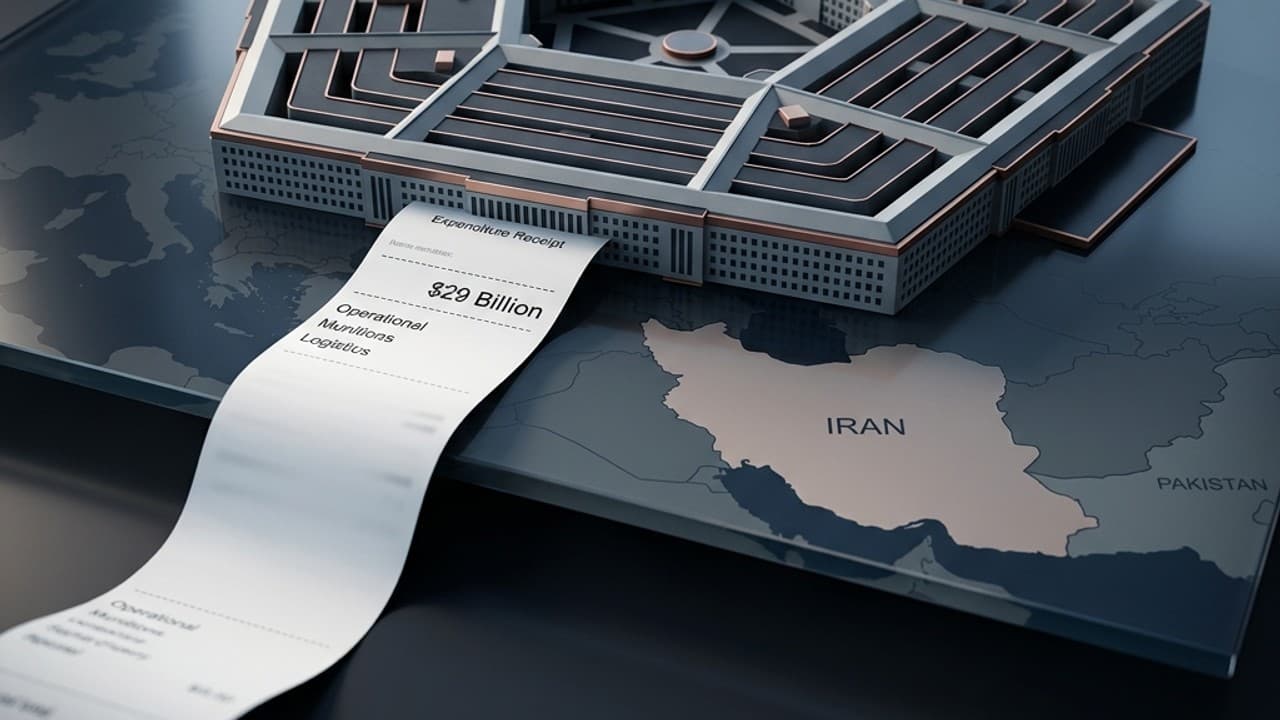
US War in Iran Has Cost $29 Billion, Pentagon Confirms
The United States Pentagon has confirmed that American military operations in Iran have cost $29 billion to date, providing the first official quantification of the financial burden of the conflict. The disclosure marks a significant moment of institutional transparency and is expected to intensify domestic debate in Washington over the fiscal and strategic sustainability of the war.
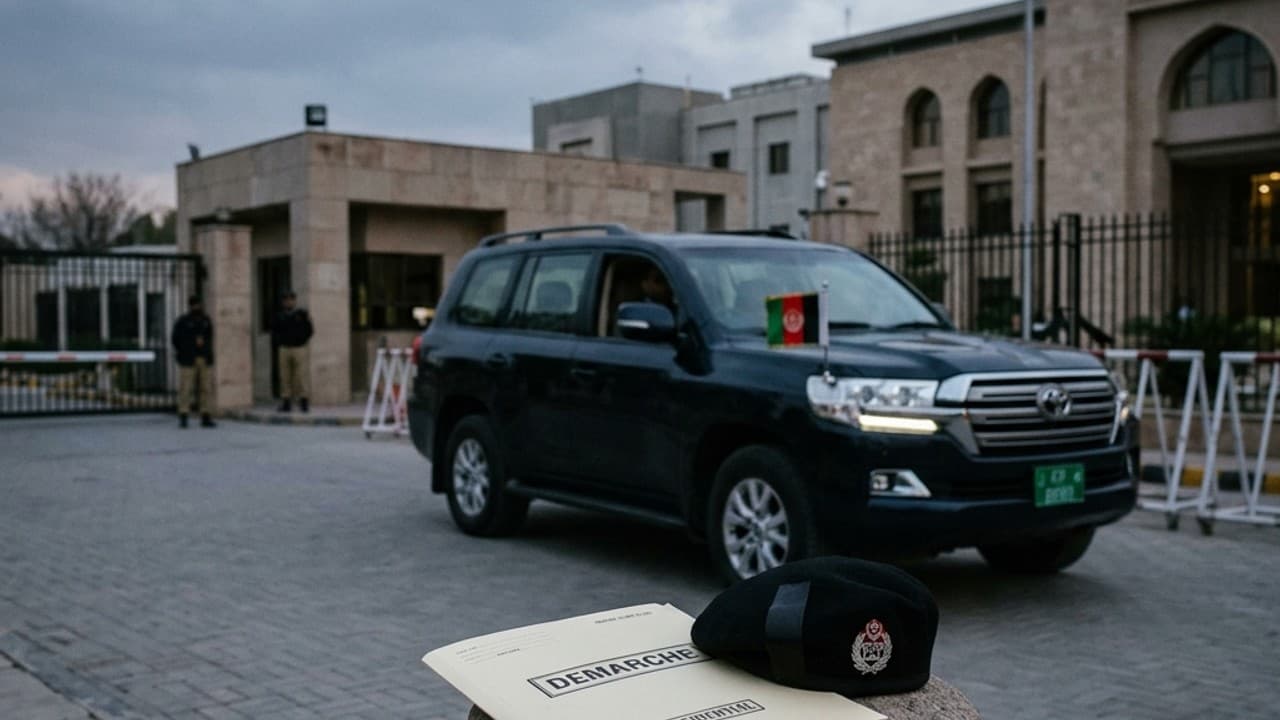
Pakistan summons Afghan envoy after 15 officers killed in Bannu suicide attack
Pakistan on Monday issued a formal demarche to Afghanistan and summoned the Afghan Chargé d'Affaires following a devastating suicide attack in Bannu, Khyber Pakhtunkhwa, that killed at least 15 police personnel. The Foreign Office held Kabul accountable for allowing militant networks to operate from Afghan soil, marking one of the sharpest diplomatic rebukes Pakistan has issued to Afghanistan in recent months.
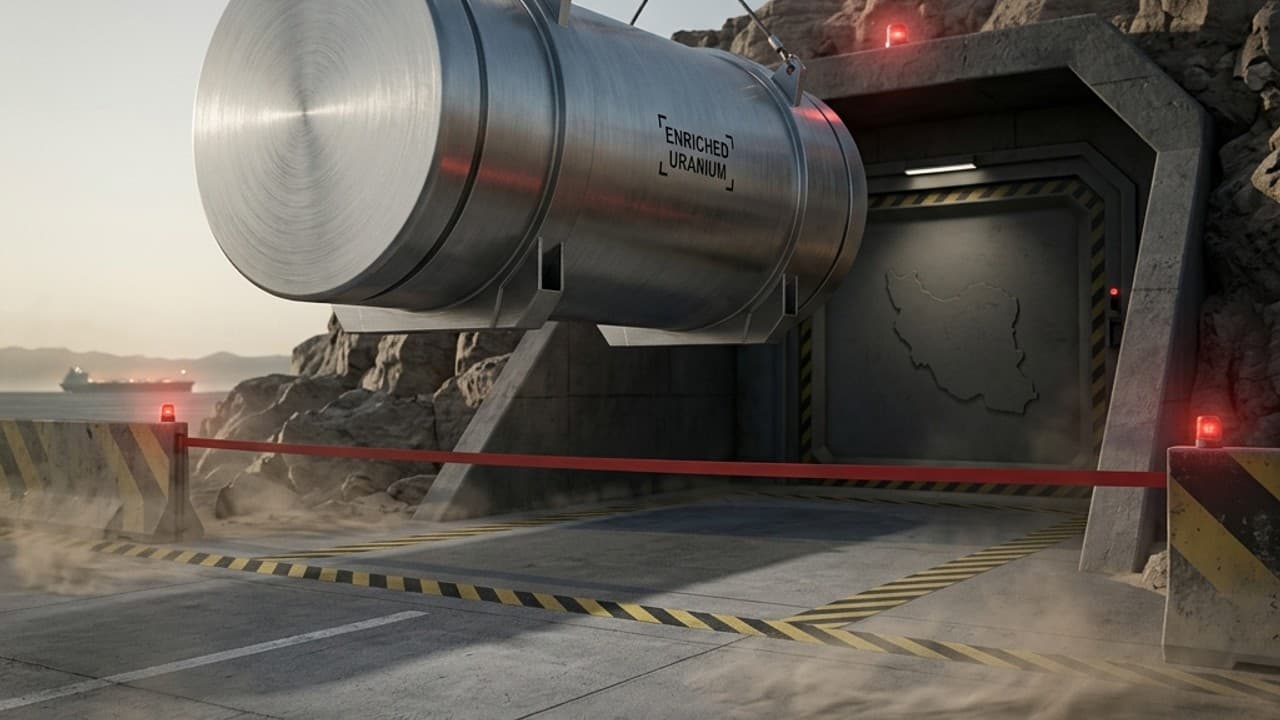
Netanyahu Warns Iran War Not Over, Demands Uranium Removal
Israeli Prime Minister Benjamin Netanyahu declared Sunday that the war with Iran is far from over, insisting that Iran's enriched uranium must be removed as a non-negotiable condition for any resolution to the ongoing conflict. The statement marks a significant hardening of Israel's public position and signals that diplomatic off-ramps remain narrow despite international pressure for de-escalation.