
Iran Supreme Leader Warns Regional Nations Against Hosting US Bases
Iran's Supreme Leader has issued a stark warning to regional nations, declaring that they will 'no longer be shields' for American military bases operating across the Middle East. The statement marks a significant escalation in Tehran's rhetoric as it signals a direct challenge to the security architecture underpinning US military presence in the Gulf and broader region.
The declaration carries particular weight given the fragile state of US-Iran relations and ongoing tensions across the region. By calling out host nations explicitly, the Supreme Leader is applying pressure on Gulf states and other regional partners who have long accommodated American military installations on their soil as a strategic deterrent.
The statement is likely to prompt urgent consultations between Washington and its regional allies, several of whom host critical US air and naval assets. American officials have not yet formally responded, though the warning is expected to fuel debate within regional capitals about the risks of continuing to serve as forward operating platforms for US forces.
Analysts view the declaration as part of Iran's broader post-conflict posturing as it attempts to reshape the regional security balance. The warning also reinforces Tehran's long-standing position that foreign military presence in the region is destabilising and must be curtailed as part of any broader settlement.
Similar Stories
Background and related coverage on this story.
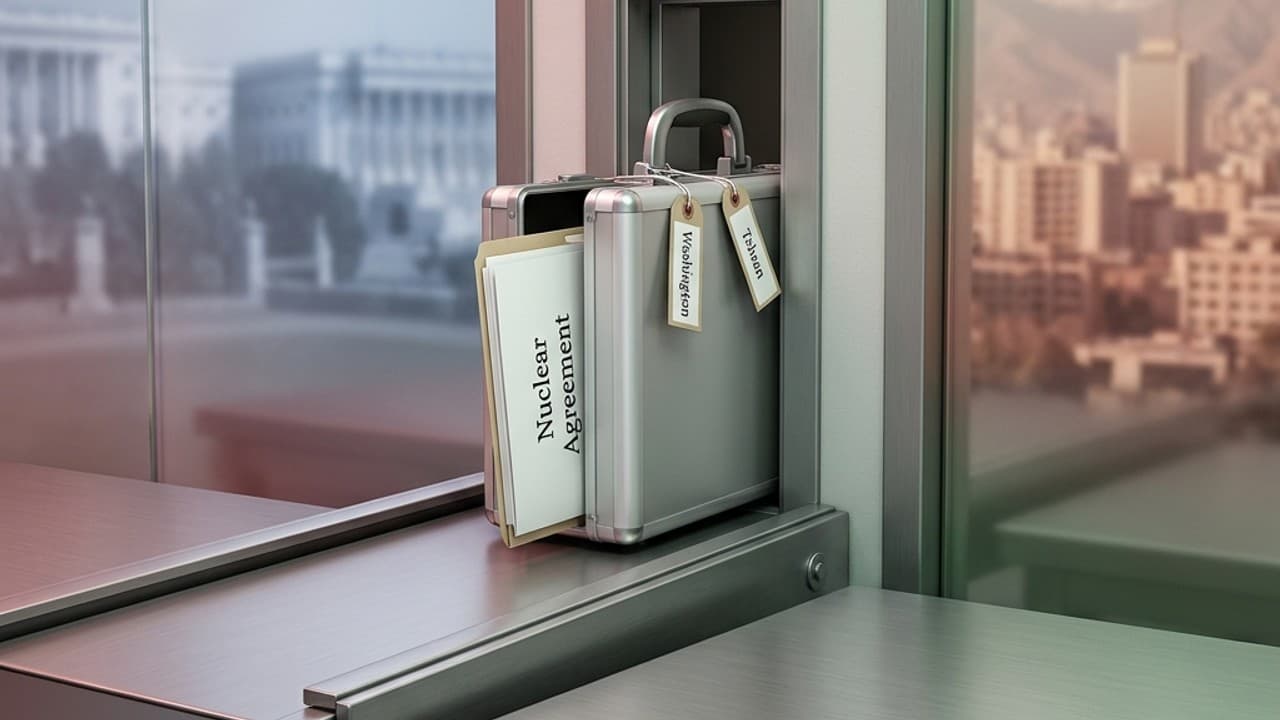
Mojtaba Khamenei to Sign US-Iran Nuclear Deal via Courier
Mojtaba Khamenei, son of Iran's Supreme Leader and a senior figure in the Islamic Revolutionary establishment, is reported to be the designated Iranian signatory on a prospective nuclear deal with the United States, with the signing to take place through an unprecedented courier-based arrangement rather than a direct diplomatic ceremony. The unusual format reflects the profound mutual distrust between Washington and Tehran, as well as security concerns on both sides that have made conventional face-to-face signing impractical.
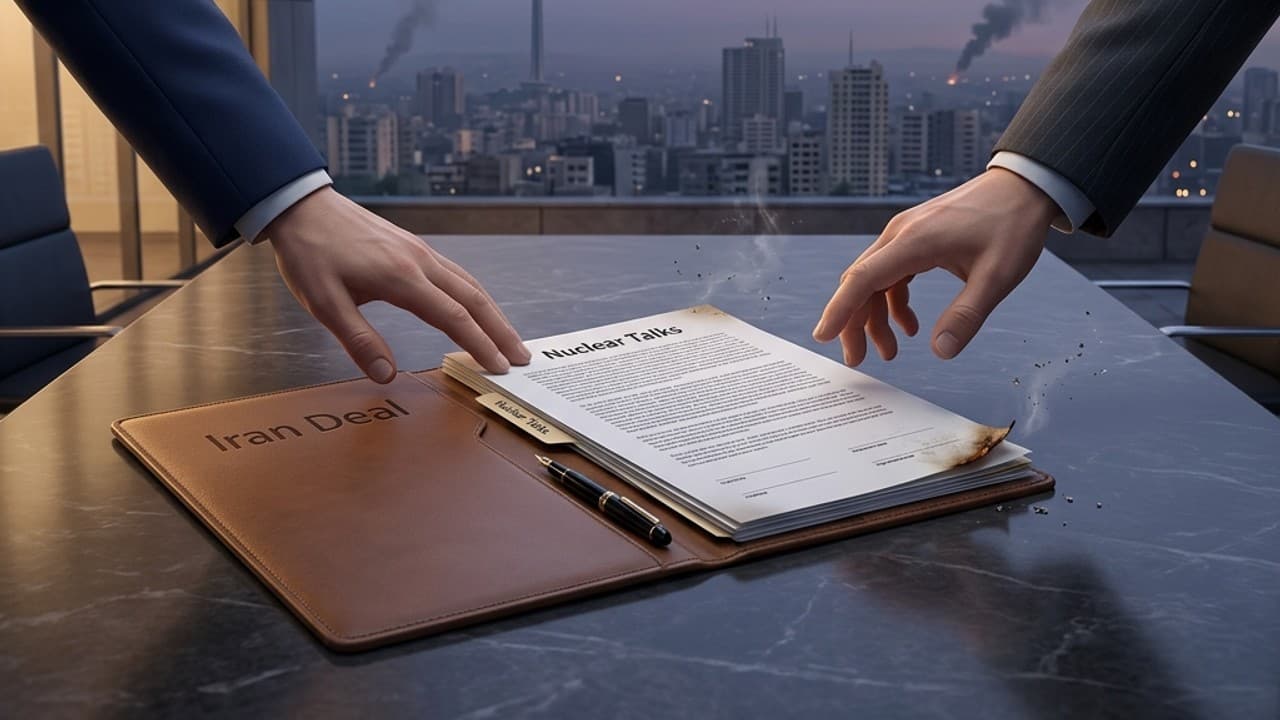
Rubio Says Iran Deal Days Away as US Strikes Continue
US Secretary of State Marco Rubio has stated that a deal with Iran could be reached within days, even as the United States launched fresh military strikes against Iranian targets. The simultaneous pursuit of diplomacy and military pressure represents the sharpest articulation yet of the Trump administration's dual-track Iran strategy, creating significant uncertainty over the direction and durability of any eventual agreement.
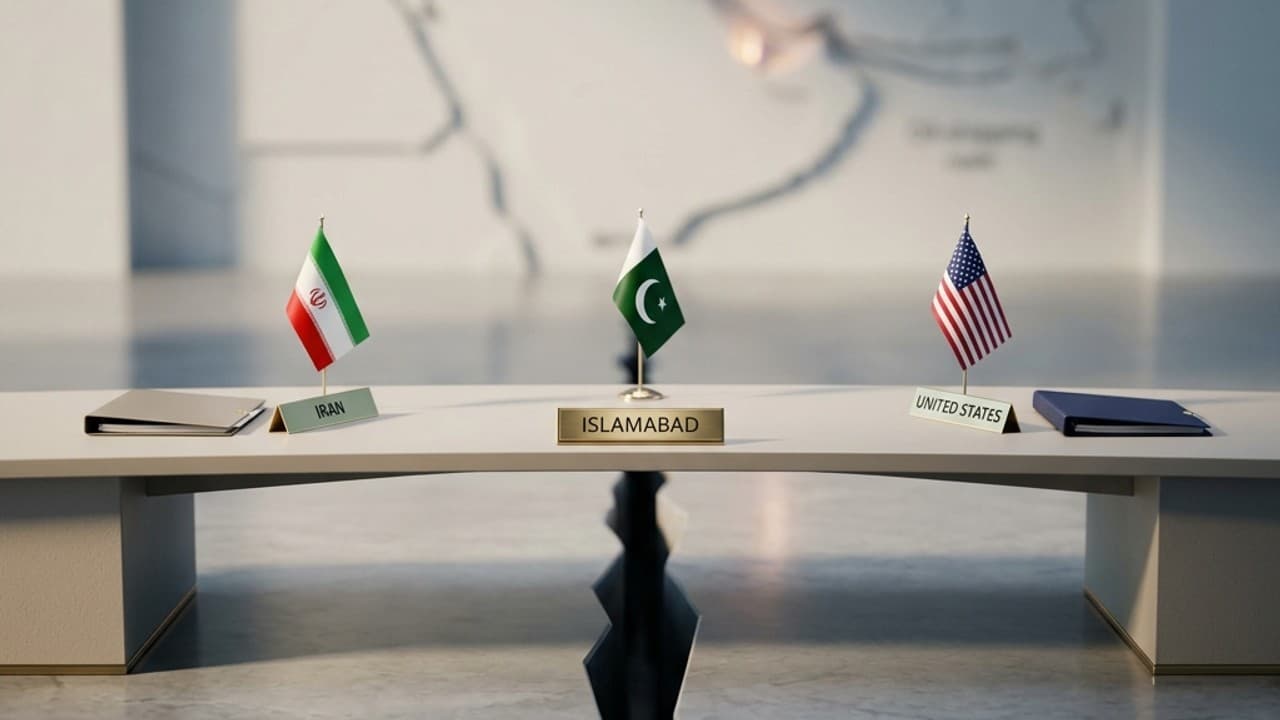
Iran and US Near Deal to End Ongoing Conflict
Iran and the United States are reported to be closing in on a diplomatic agreement that could bring an end to their ongoing armed confrontation, in what would constitute one of the most consequential geopolitical developments of the decade. Mediators and informed sources indicate that the broad parameters of a deal are taking shape, though final details remain under negotiation.
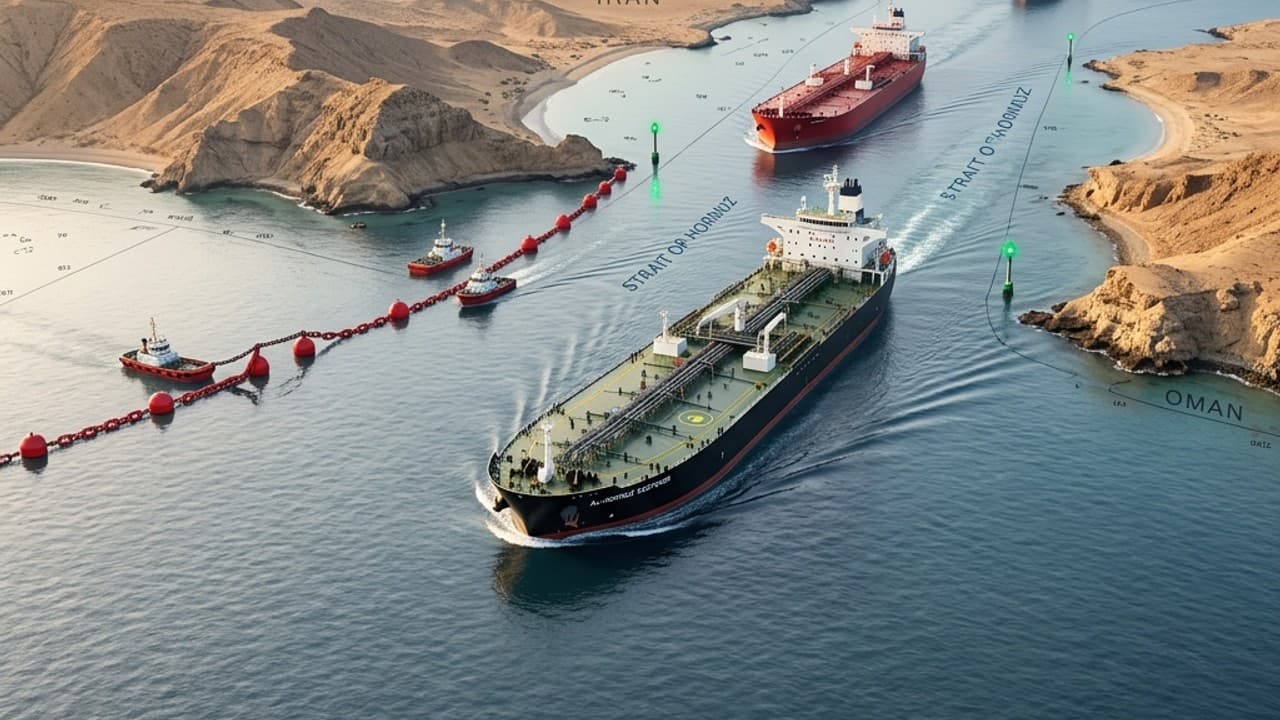
Trump Declares Iran Nuclear Deal Largely Done, Hormuz to Reopen
United States President Donald Trump announced on Sunday that a peace deal with Iran has been 'largely negotiated,' adding that the Strait of Hormuz — one of the world's most strategically critical maritime chokepoints — would reopen as part of the arrangement. The declaration, if confirmed, would represent one of the most consequential diplomatic breakthroughs in Middle Eastern geopolitics in decades.
Pakistan Hopes to Host US-Iran Nuclear Talks Very Soon
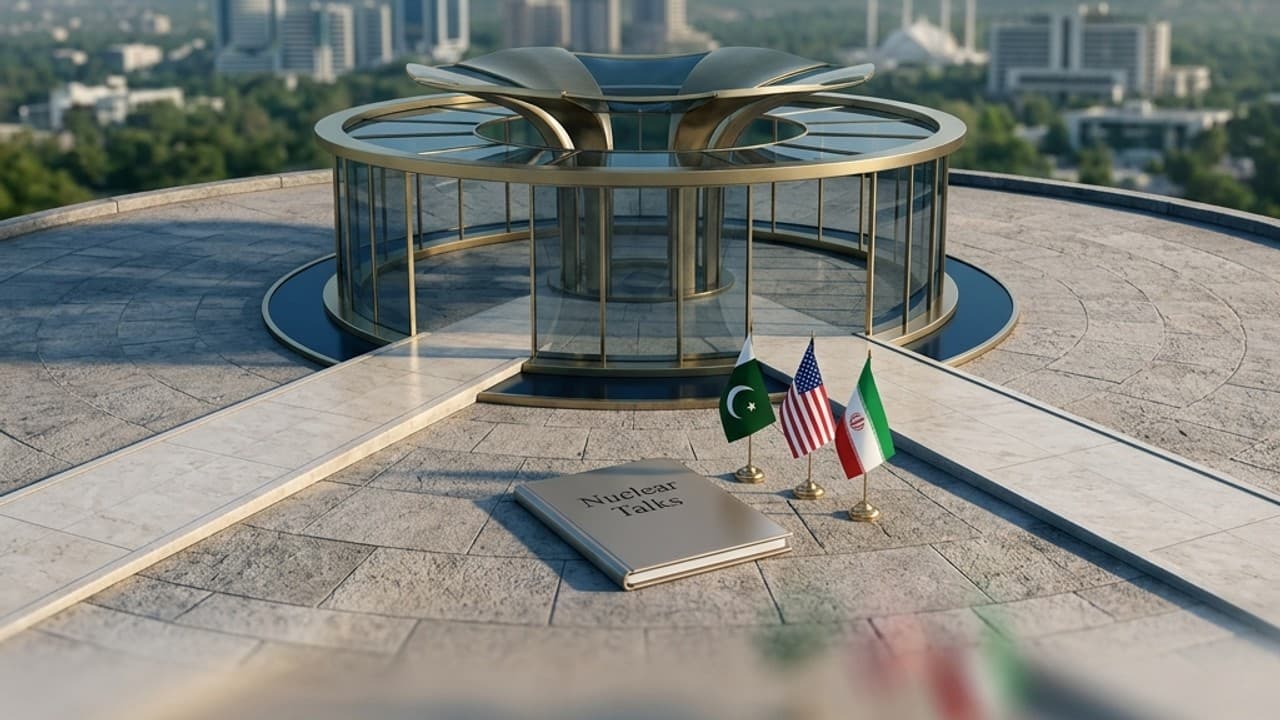
Prime Minister Shehbaz Sharif has expressed confidence that Pakistan will host the next round of US-Iran nuclear negotiations 'very soon', as former US President Donald Trump described a prospective deal as 'largely negotiated'. The remarks signal a significant diplomatic breakthrough in which Pakistan has positioned itself as a critical facilitator between Washington and Tehran.
Iran and US Signal Possible Nuclear Deal Breakthrough After Talks
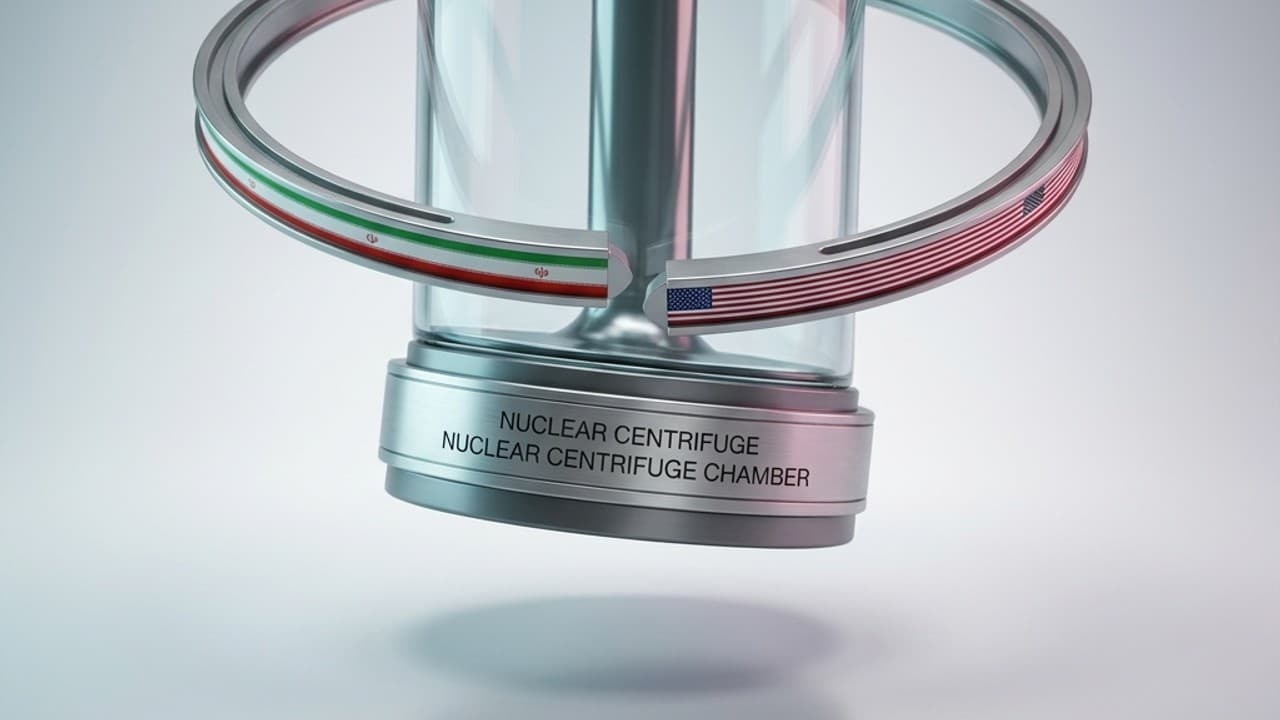
Iran and the United States have both signalled that negotiations over Tehran's nuclear programme may be nearing a critical juncture, with officials on both sides describing the possibility of a breakthrough as the 84-day conflict approaches a potential resolution. Donald Trump stated publicly that a deal with Iran was largely negotiated, the most direct indication yet from Washington that diplomatic progress had moved substantially beyond preliminary frameworks.