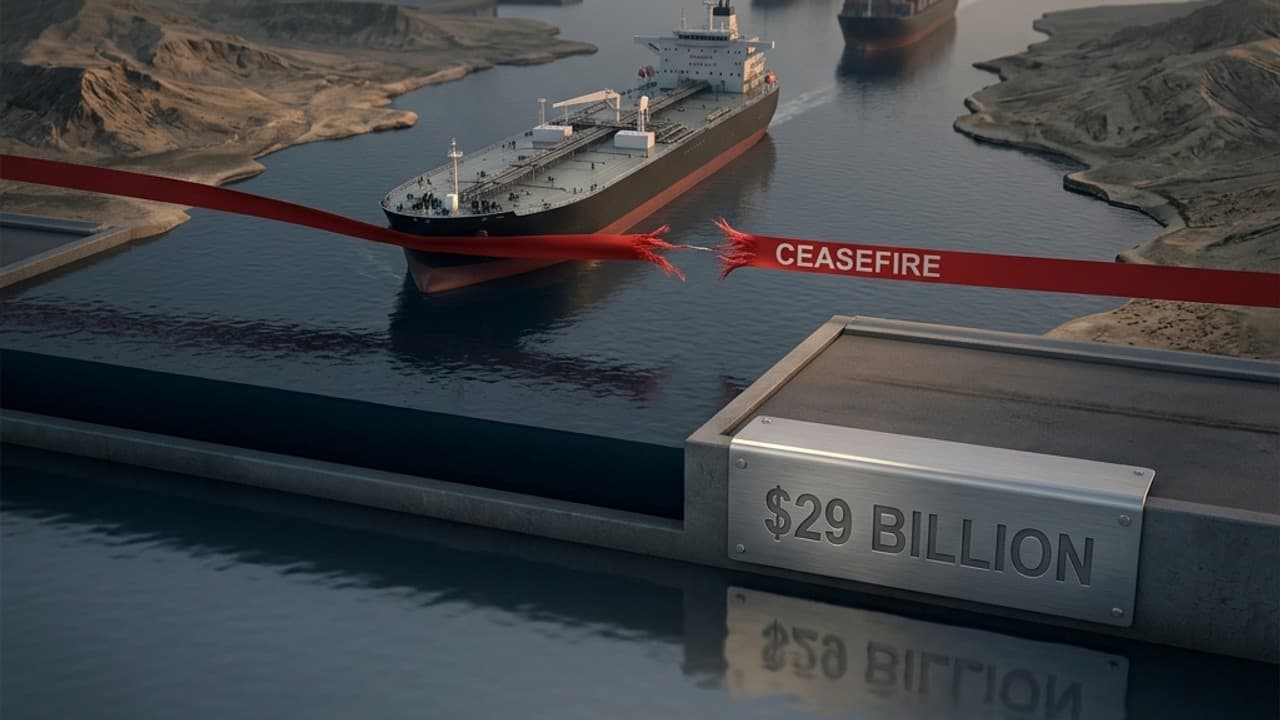
Iran war costs exceed $29 billion as fragile truce teeters
The financial toll of the ongoing conflict involving Iran has surpassed $29 billion as a fragile ceasefire arrangement continues to show signs of strain, raising fresh concerns about the durability of any negotiated pause in hostilities. The escalating cost figure reflects damage to infrastructure, military expenditure, economic disruption, and humanitarian losses accumulating across the affected region.
The truce, described by regional and international observers as teetering, has been punctuated by sporadic violations and competing accusations between the parties, undermining confidence in sustained de-escalation. Diplomatic efforts by several countries and multilateral bodies to entrench the ceasefire have so far produced limited binding commitments.
The economic ramifications of the conflict have rippled beyond the immediate theatre, affecting global energy markets, shipping routes through the Persian Gulf and adjacent straits, and investor confidence in the broader Middle East. Pakistan, which imports a significant proportion of its energy needs from the region, remains exposed to any further deterioration in stability.
International observers warn that without a credible and monitored ceasefire framework, the risk of renewed full-scale hostilities remains elevated. The mounting cost figure is expected to feature prominently in upcoming UN Security Council discussions and donor coordination meetings focused on the regional crisis.
Similar Stories
Background and related coverage on this story.
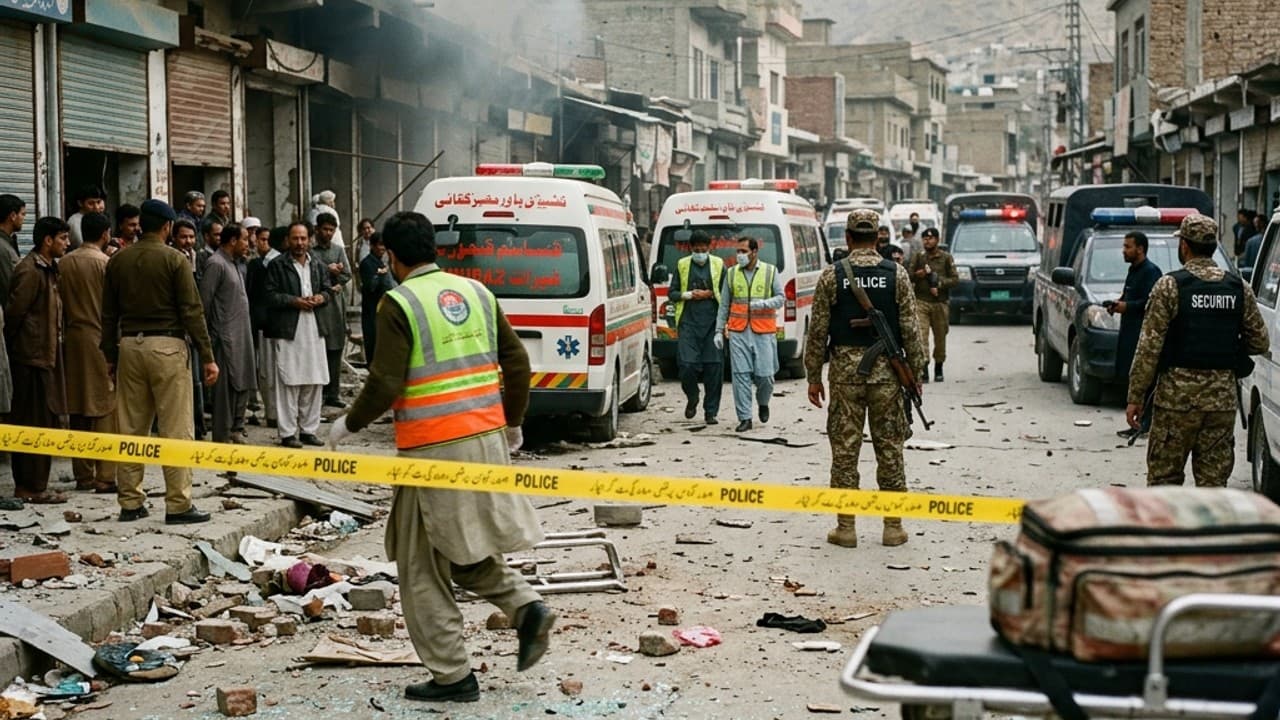
Wave of Terrorist Attacks Kills 23 Across Khyber Pakhtunkhwa
A coordinated wave of terrorist attacks struck multiple locations across Khyber Pakhtunkhwa on Wednesday, leaving at least 23 people dead and dozens more injured in one of the province's deadliest mass-casualty events in recent months. The attacks, occurring in rapid succession, have triggered emergency responses from provincial and federal security authorities.
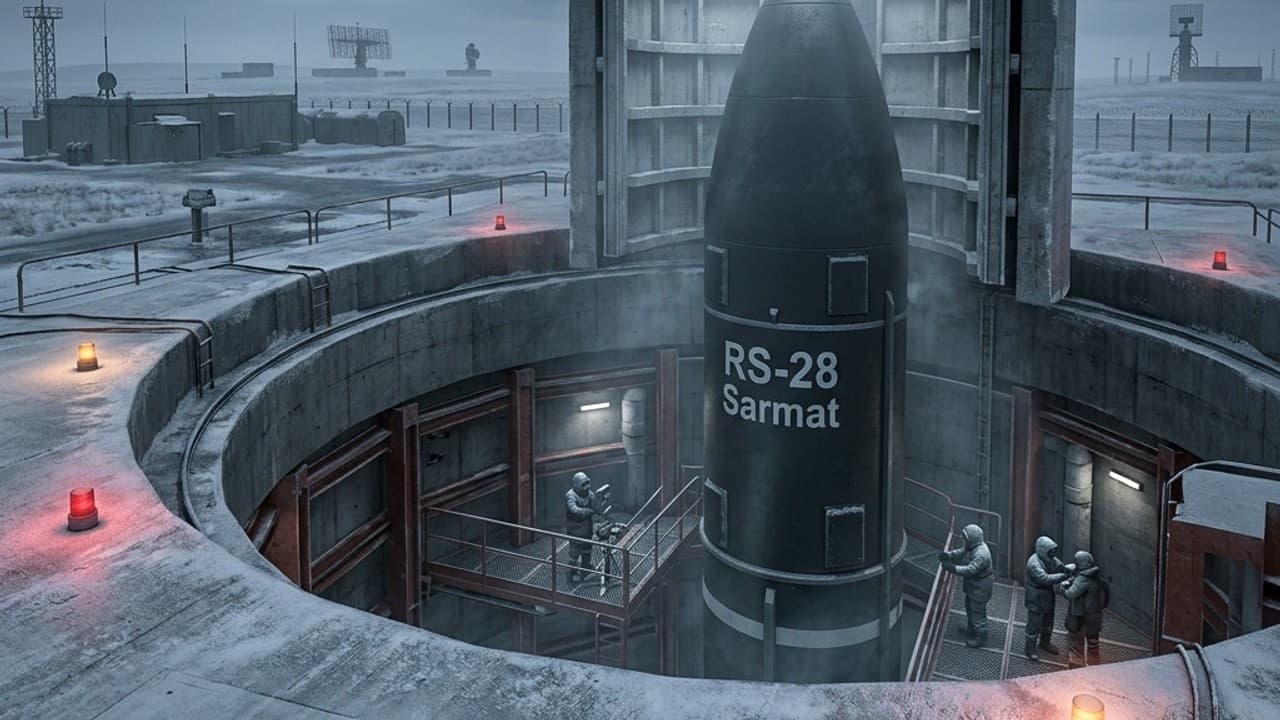
Putin Announces Russia Will Deploy New Sarmat Nuclear Missile in 2026
Russian President Vladimir Putin has declared that Russia will deploy its new Sarmat intercontinental ballistic missile during the current year, in a statement that carries significant implications for global nuclear deterrence architecture. The Sarmat, designated RS-28, is among the world's most capable nuclear delivery systems and represents Moscow's most advanced strategic weapon in its arsenal.
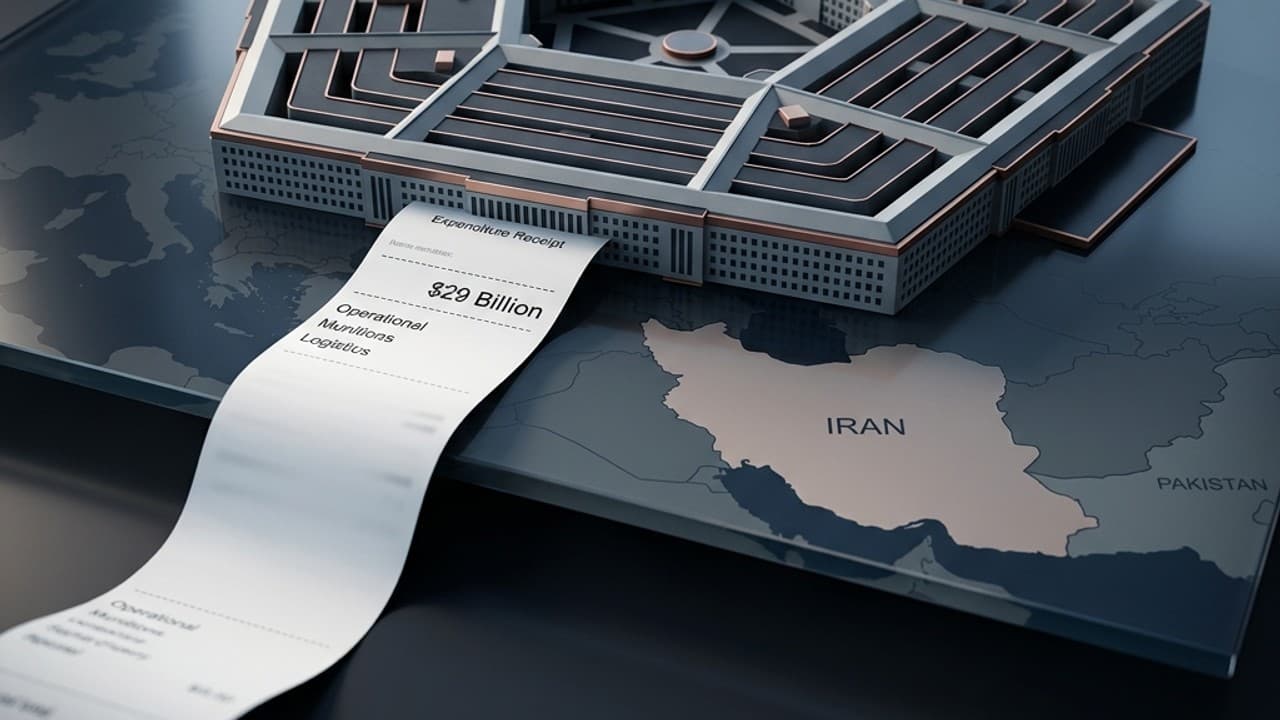
US War in Iran Has Cost $29 Billion, Pentagon Confirms
The United States Pentagon has confirmed that American military operations in Iran have cost $29 billion to date, providing the first official quantification of the financial burden of the conflict. The disclosure marks a significant moment of institutional transparency and is expected to intensify domestic debate in Washington over the fiscal and strategic sustainability of the war.
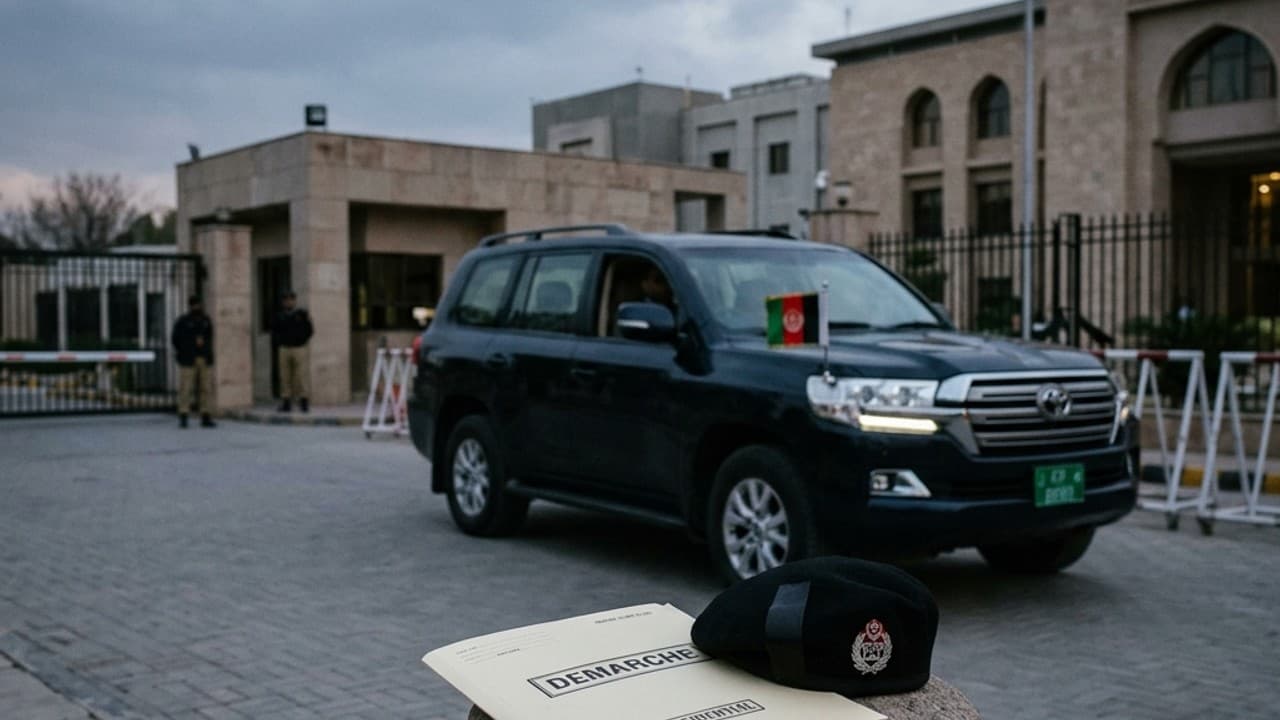
Pakistan summons Afghan envoy after 15 officers killed in Bannu suicide attack
Pakistan on Monday issued a formal demarche to Afghanistan and summoned the Afghan Chargé d'Affaires following a devastating suicide attack in Bannu, Khyber Pakhtunkhwa, that killed at least 15 police personnel. The Foreign Office held Kabul accountable for allowing militant networks to operate from Afghan soil, marking one of the sharpest diplomatic rebukes Pakistan has issued to Afghanistan in recent months.
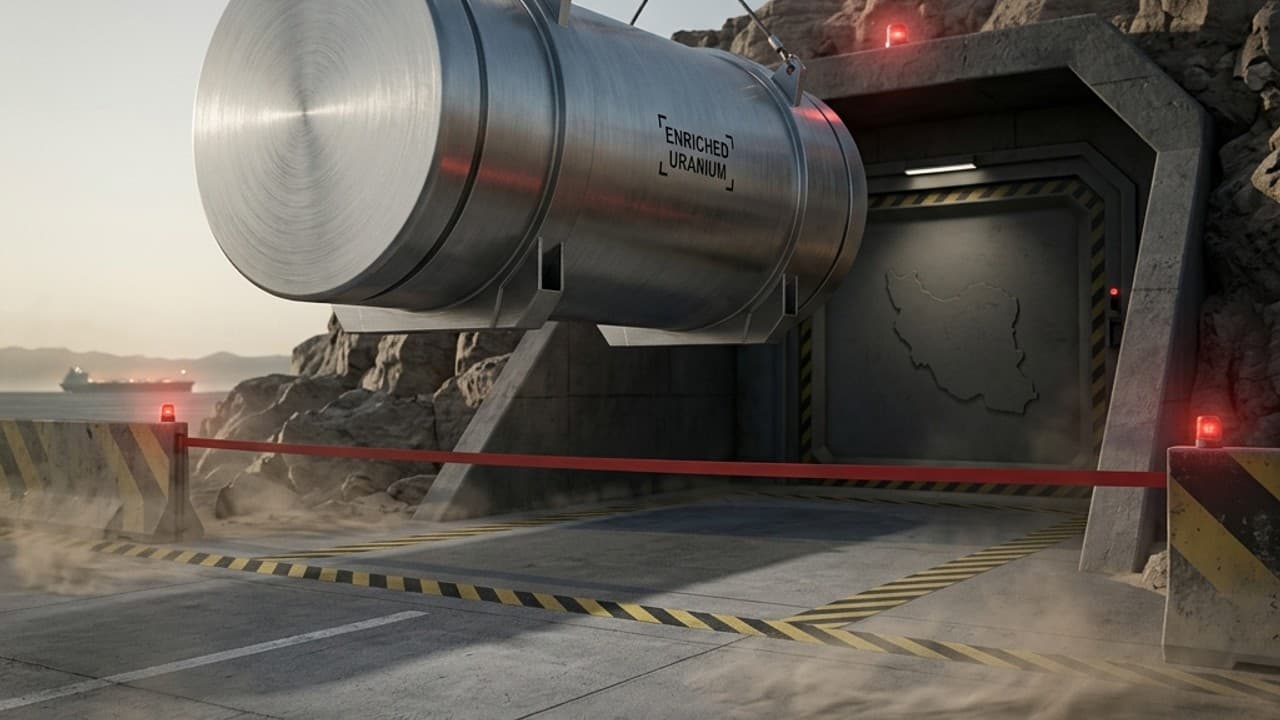
Netanyahu Warns Iran War Not Over, Demands Uranium Removal
Israeli Prime Minister Benjamin Netanyahu declared Sunday that the war with Iran is far from over, insisting that Iran's enriched uranium must be removed as a non-negotiable condition for any resolution to the ongoing conflict. The statement marks a significant hardening of Israel's public position and signals that diplomatic off-ramps remain narrow despite international pressure for de-escalation.
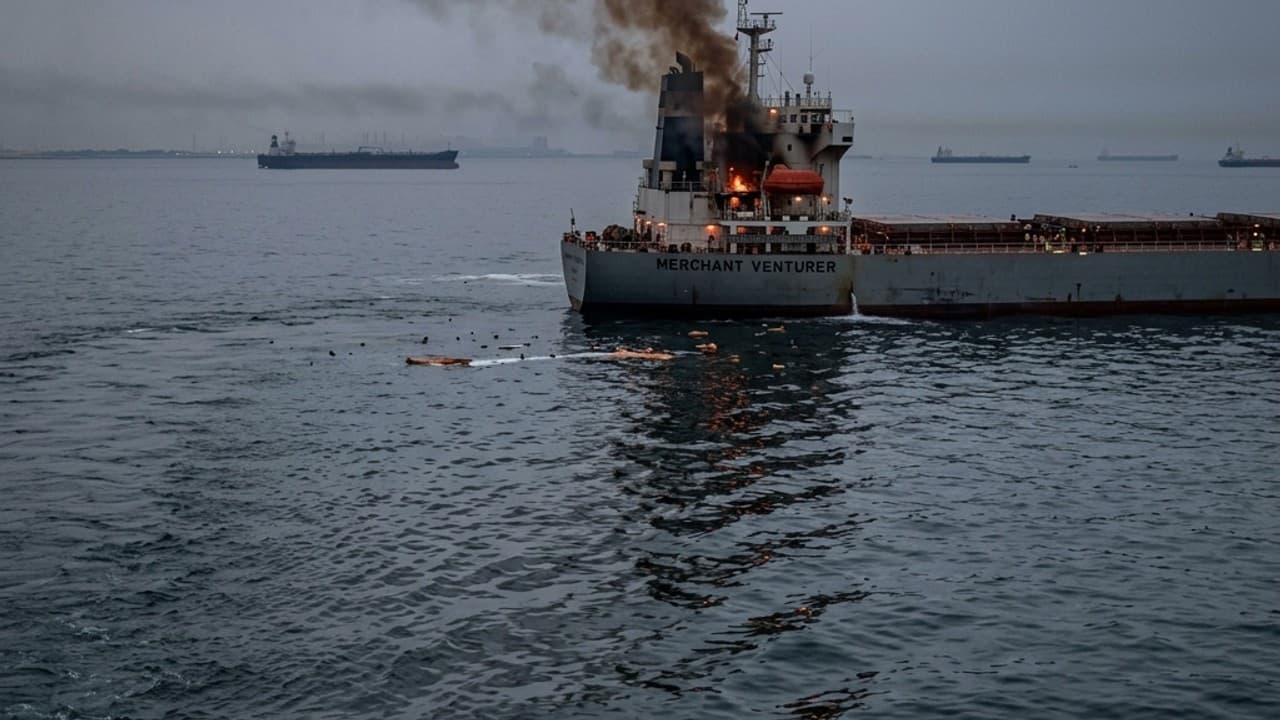
Drone Strike Hits Ship Near Qatar; South Korean Vessel Also Struck in Hormuz
A ship was struck by a drone off the coast of Qatar, according to that country's defence ministry, while South Korea separately confirmed that an unidentified aircraft hit a cargo vessel in the Strait of Hormuz in what appears to be a coordinated or concurrent escalation of maritime threats in the Persian Gulf region. The back-to-back incidents mark a significant deterioration in maritime security across two of the world's most strategically critical waterways.