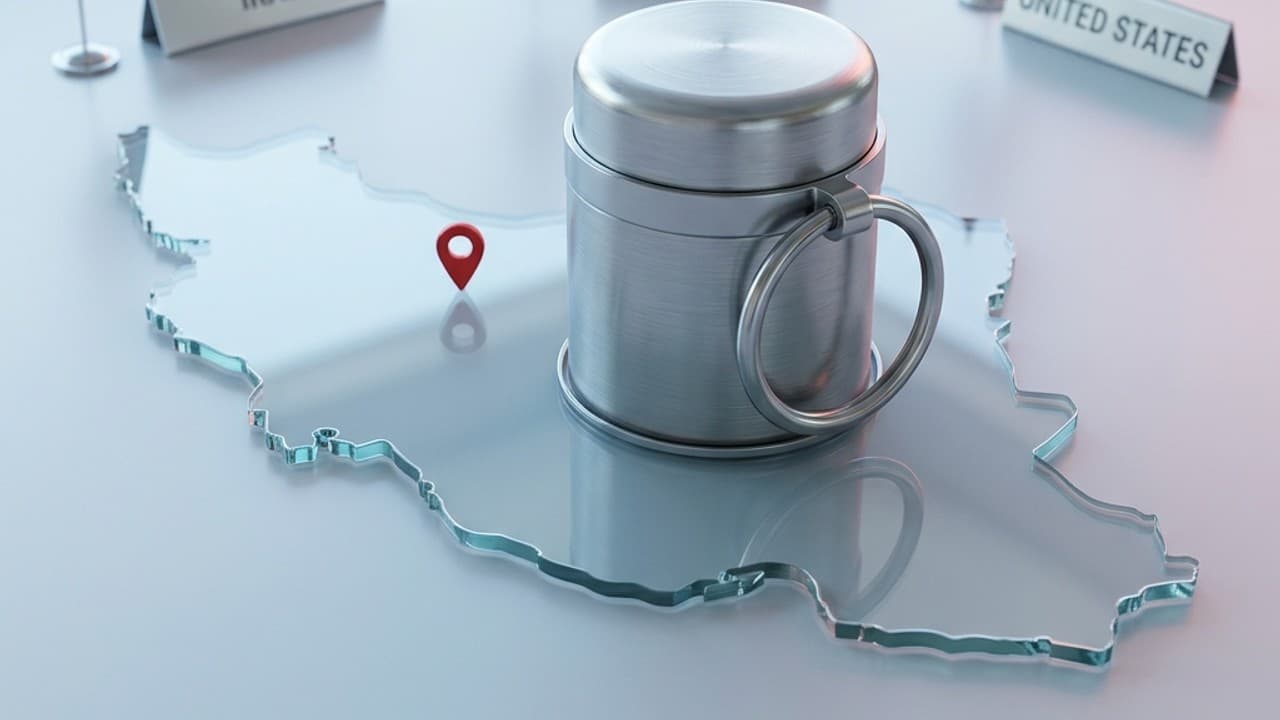
Iran's Supreme Leader Insists Enriched Uranium Must Stay in Iran
Iran's Supreme Leader has declared that the country's stockpile of enriched uranium must remain on Iranian soil, a position that directly complicates ongoing diplomatic efforts to revive a nuclear agreement with the United States, according to Iranian sources. The statement represents a firm red line from the highest authority in Tehran and significantly narrows the negotiating space available to Iranian diplomats.
The demand contradicts proposals that have circulated in back-channel discussions, under which Iran might agree to transfer a portion of enriched uranium to a third country as part of a confidence-building measure. The Supreme Leader's public reaffirmation of this position signals that such proposals are unlikely to gain domestic traction.
The development comes as Pakistan steps up its own diplomatic efforts to facilitate a resumption of US-Iran dialogue, making the Supreme Leader's hardened stance a direct obstacle to Islamabad's mediation push. Regional interlocutors had been cautiously optimistic about the prospects for engagement in recent weeks.
Analysts warn that the entrenchment of this position could accelerate pressure from Washington for alternative approaches, including tightened sanctions or support for Israeli-backed pressure options. The statement is expected to feature prominently in the next round of international consultations on the Iranian nuclear file.
Similar Stories
Background and related coverage on this story.
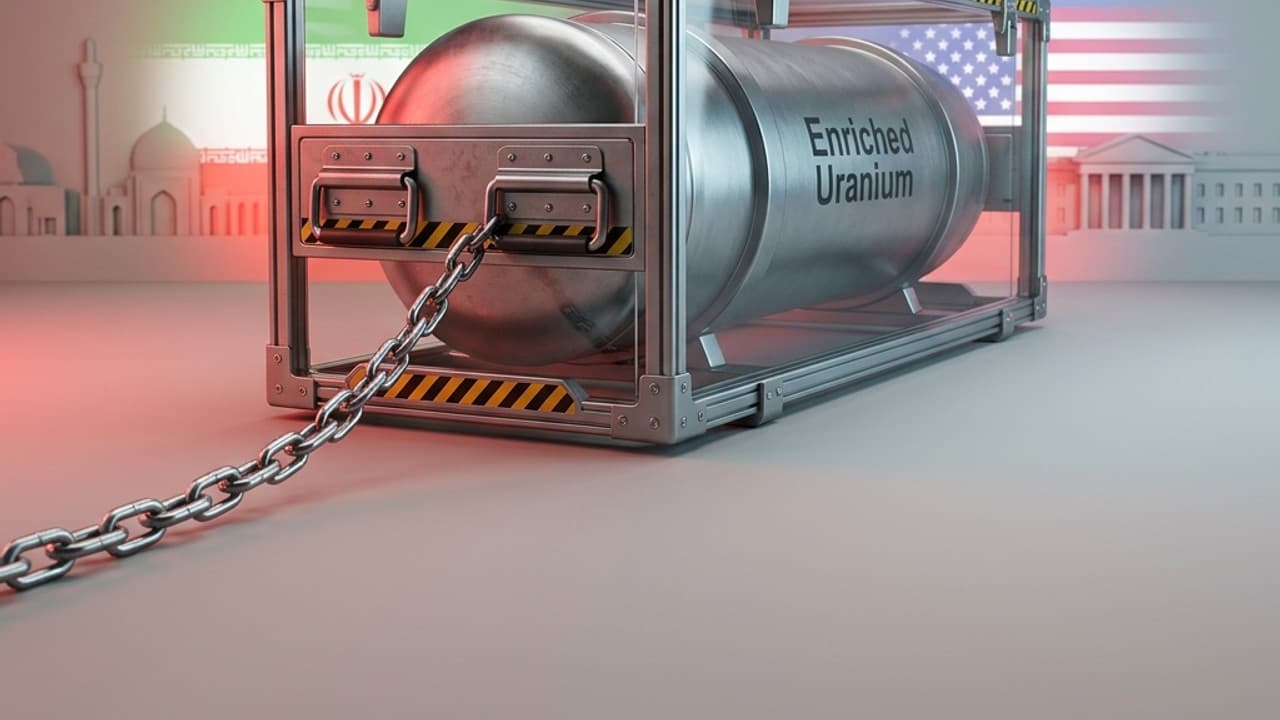
Trump Vows US Will Retrieve Uranium Stockpiles From Iran
US President Donald Trump has vowed that the United States will retrieve uranium stockpiles from Iran, in a significant escalation of rhetoric surrounding ongoing nuclear negotiations between Washington and Tehran. The declaration signals a hardened American posture that could complicate diplomatic efforts aimed at constraining Iran's nuclear programme.
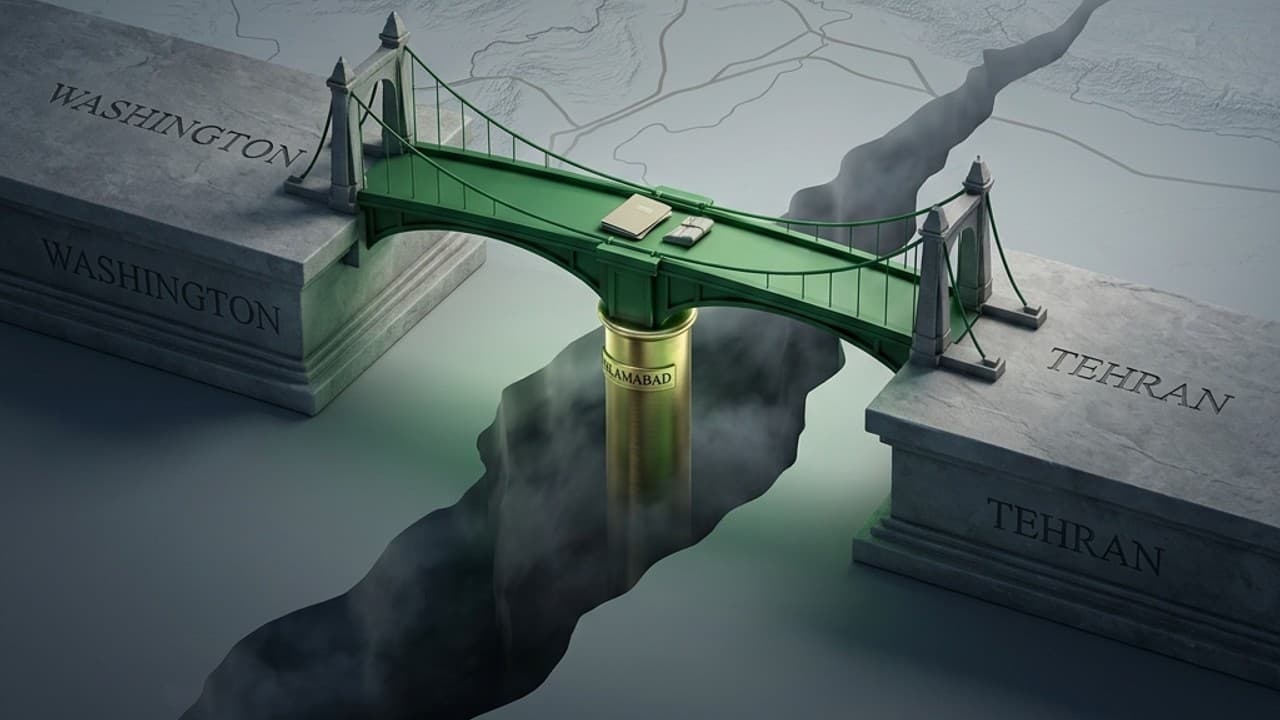
Pakistan Moves Diplomatically to Avert US-Iran Military Escalation
Pakistan has launched an active diplomatic effort to prevent a military escalation between the United States and Iran, engaging both sides through back-channel and official channels as tensions between the two powers intensify. Islamabad is leveraging its historically maintained ties with both Washington and Tehran to serve as a stabilising interlocutor at a moment of acute regional danger.
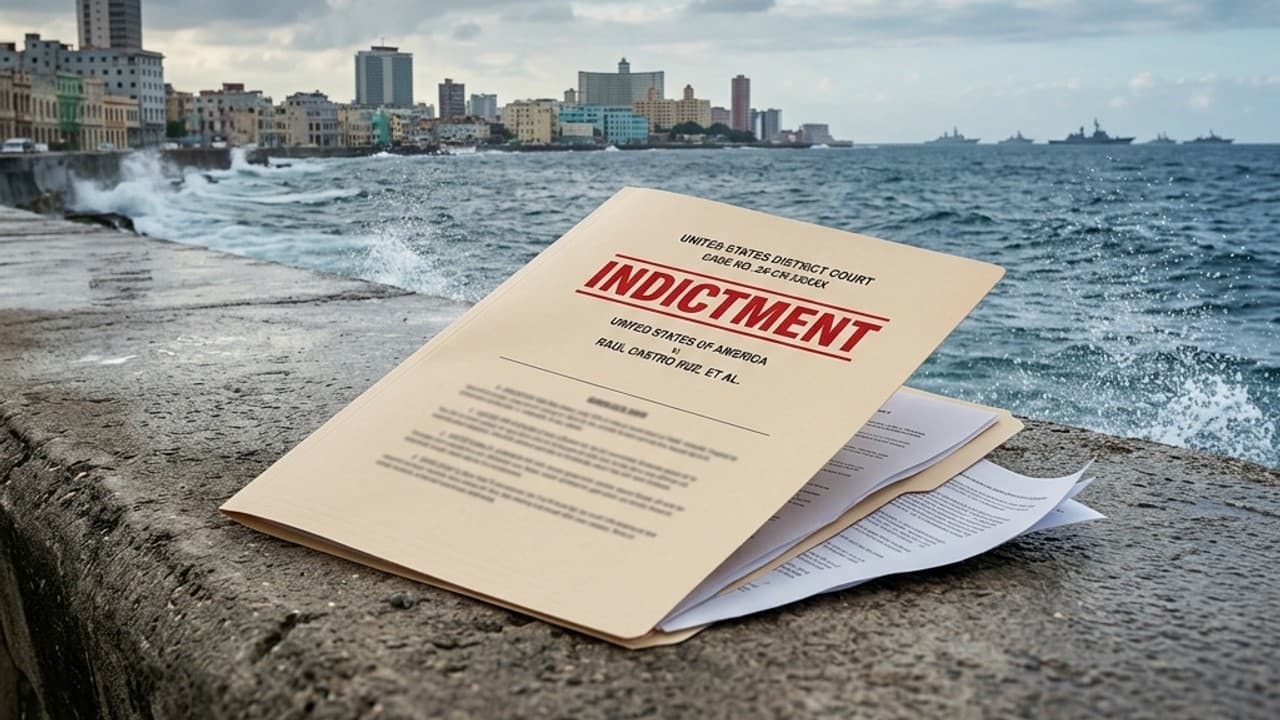
US Indicts Raul Castro Amid Rising Fears of Cuba Invasion
The United States has formally indicted Raul Castro, the former Cuban president and longtime revolutionary figure, as tensions between Washington and Havana escalate to levels not seen in decades. The indictment, which carries significant legal and geopolitical weight, comes alongside mounting speculation and official warnings about a possible US military intervention in Cuba.
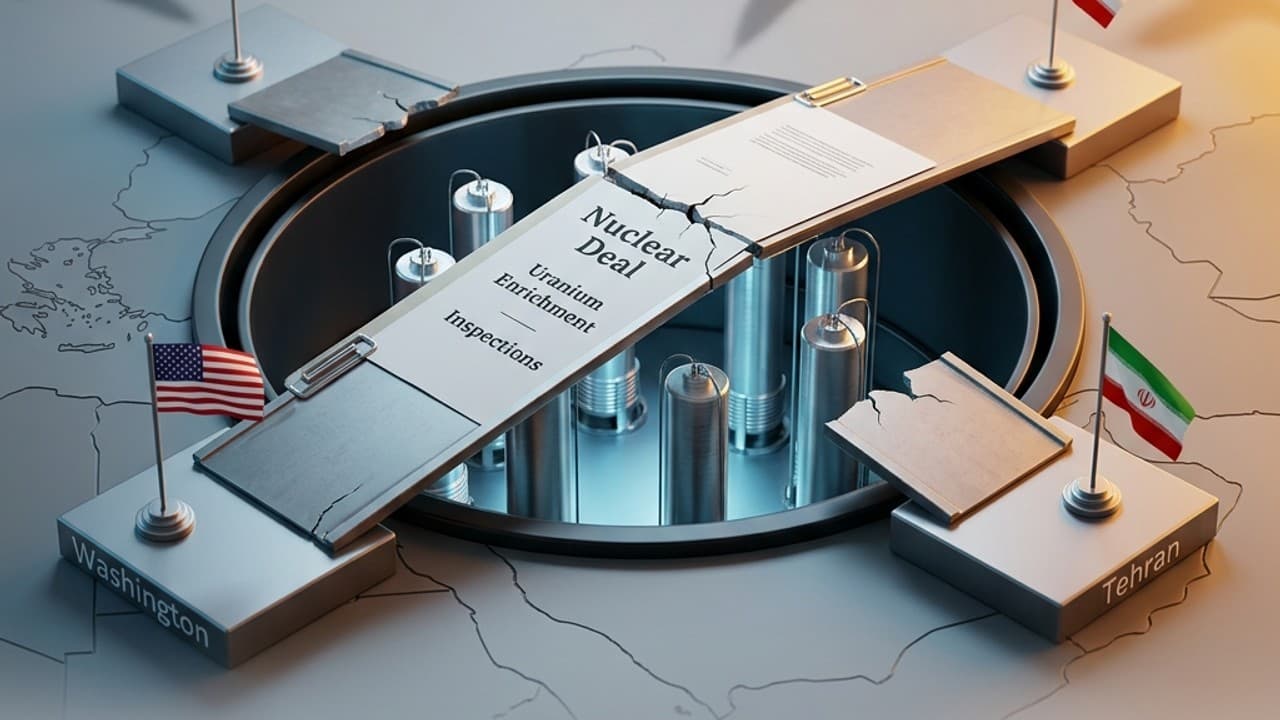
Trump Warns of Military Strikes If Iran Nuclear Deal Collapses
US President Donald Trump declared on Wednesday that negotiations with Iran over its nuclear programme are in their final stages, simultaneously issuing a stark warning that military strikes remain on the table should talks break down. The statement, one of the most direct threats yet from the current administration, marks a significant escalation in diplomatic pressure on Tehran.
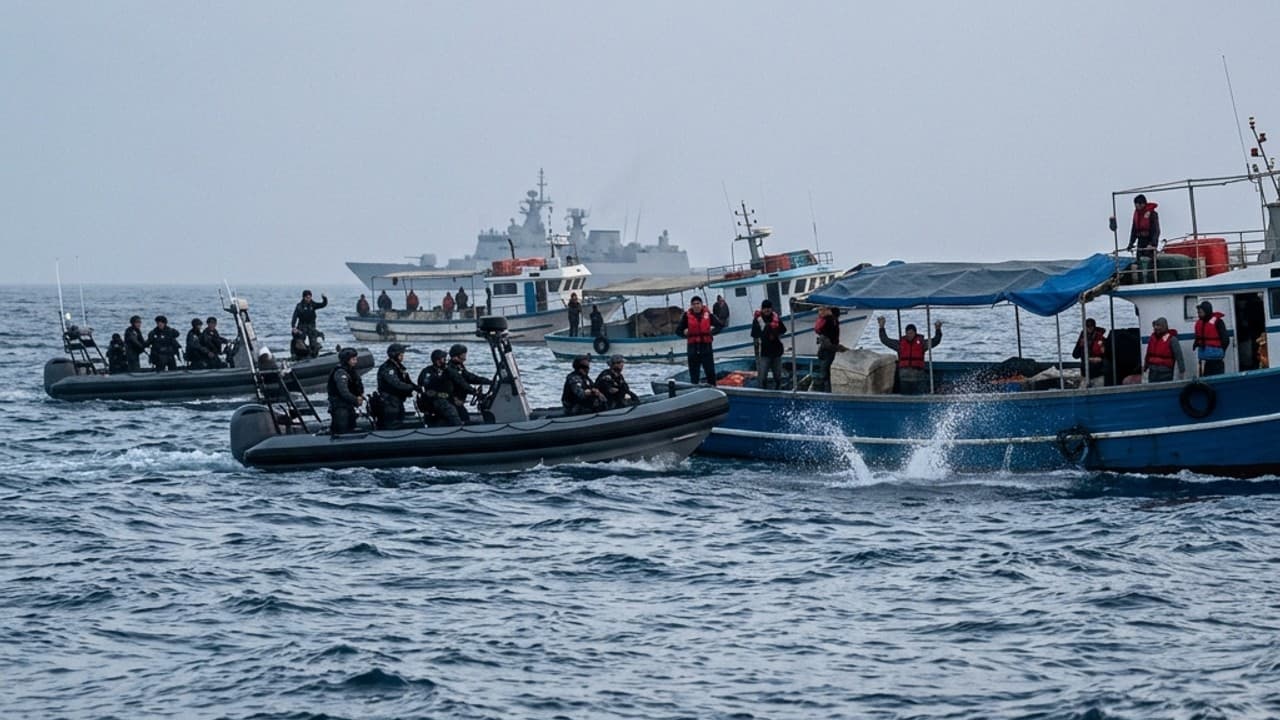
430 Gaza Flotilla Activists Intercepted and Transferred to Israel
Israeli naval forces have intercepted all boats belonging to the Gaza Freedom Flotilla, firing shots during the operation and transferring approximately 430 international activists to Israeli custody, according to statements from the flotilla organisers and Turkey's foreign ministry spokesman. The interception occurred in international or contested waters in the Eastern Mediterranean as the humanitarian convoy attempted to breach Israel's naval blockade of Gaza.
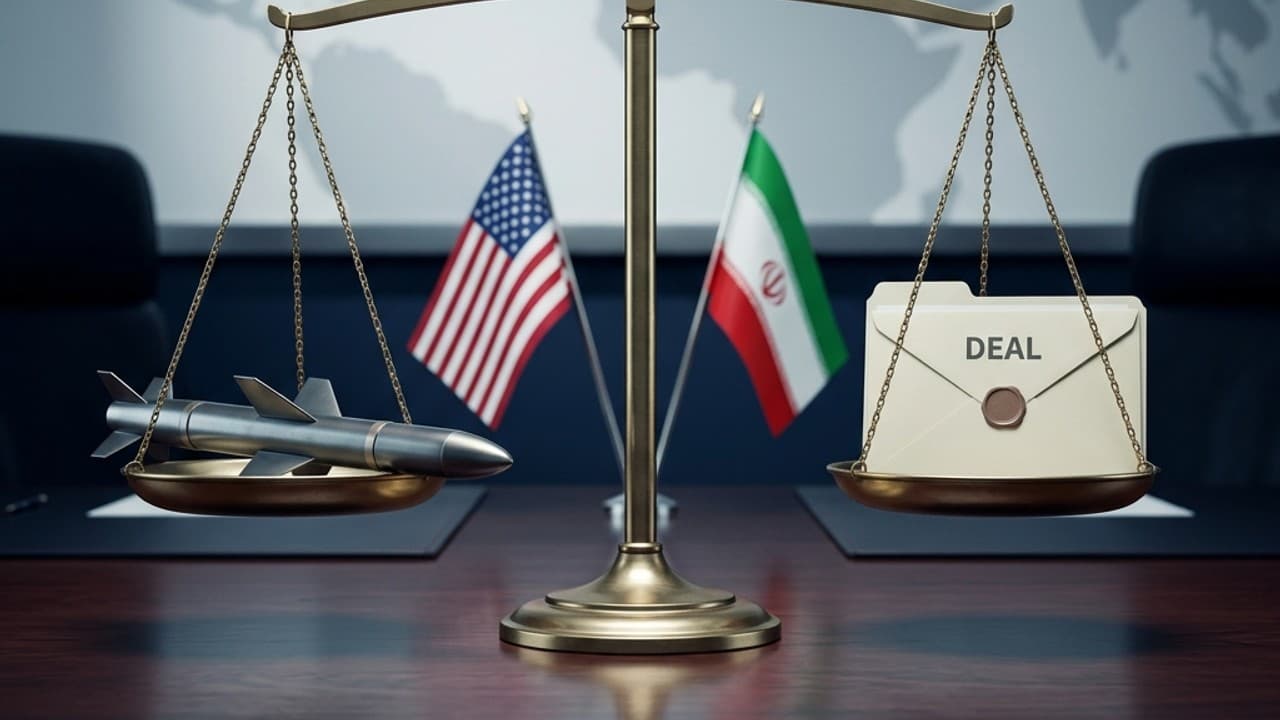
Trump Warns of Fresh Iran Strike as Tehran Signals Deal Interest
United States President Donald Trump has warned that Washington may carry out another military strike against Iran, even as he acknowledged that Tehran has expressed willingness to reach a negotiated agreement. The remarks represent one of the most direct public statements from Trump indicating both military preparedness and diplomatic ambiguity at a moment of acute regional tension.