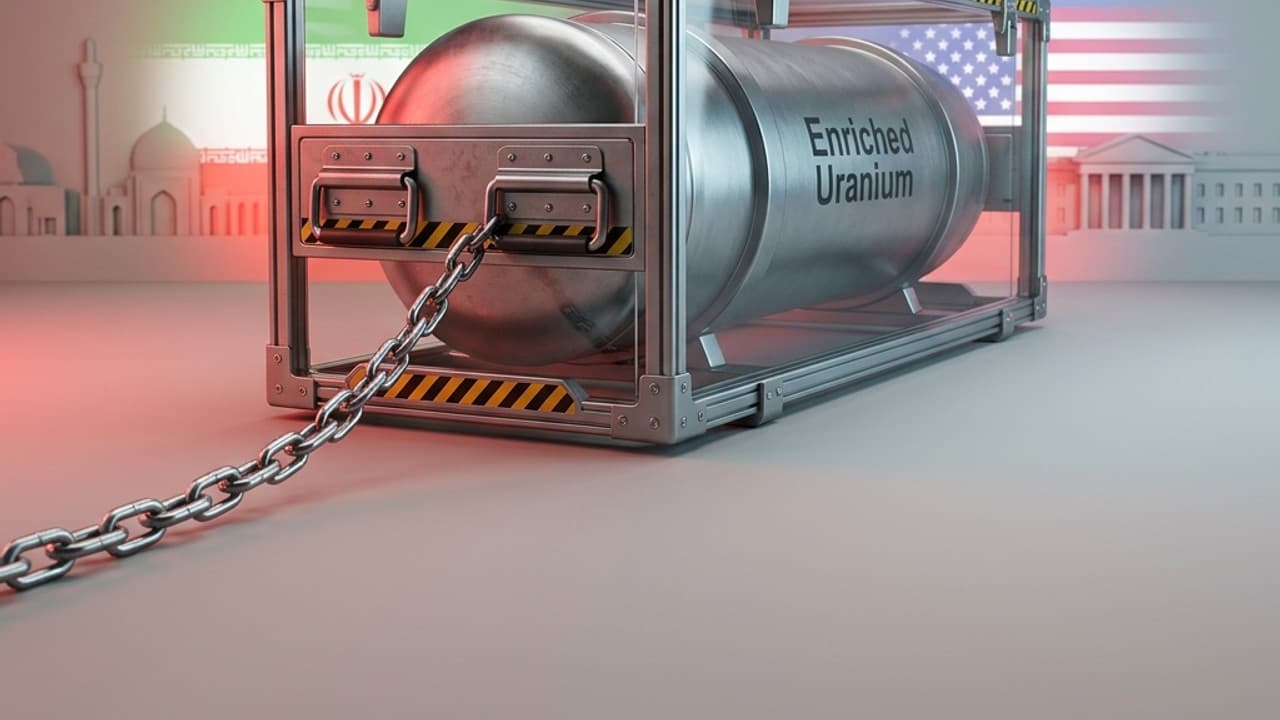
Trump Vows US Will Retrieve Uranium Stockpiles From Iran
US President Donald Trump has vowed that the United States will retrieve uranium stockpiles from Iran, in a significant escalation of rhetoric surrounding ongoing nuclear negotiations between Washington and Tehran. The declaration signals a hardened American posture that could complicate diplomatic efforts aimed at constraining Iran's nuclear programme.
Trump's comments come at a critical juncture in nuclear talks, with Iran having accumulated enriched uranium far beyond limits set under the 2015 Joint Comprehensive Plan of Action. The vow to physically retrieve uranium represents an unusually direct and coercive framing of US demands, going further than standard calls for Iran to reduce its stockpile.
The statement raises immediate questions about the mechanism and timeline the United States envisions for such retrieval, and whether this reflects a formal policy position or political posturing ahead of any potential deal. Analysts note that unilateral retrieval of nuclear material from a sovereign state would be legally and operationally unprecedented outside a formal international agreement.
The development is likely to heighten tensions across the region and put pressure on European and regional powers engaged in parallel diplomatic tracks. Iran has not yet issued an official response to the statement.
Similar Stories
Background and related coverage on this story.
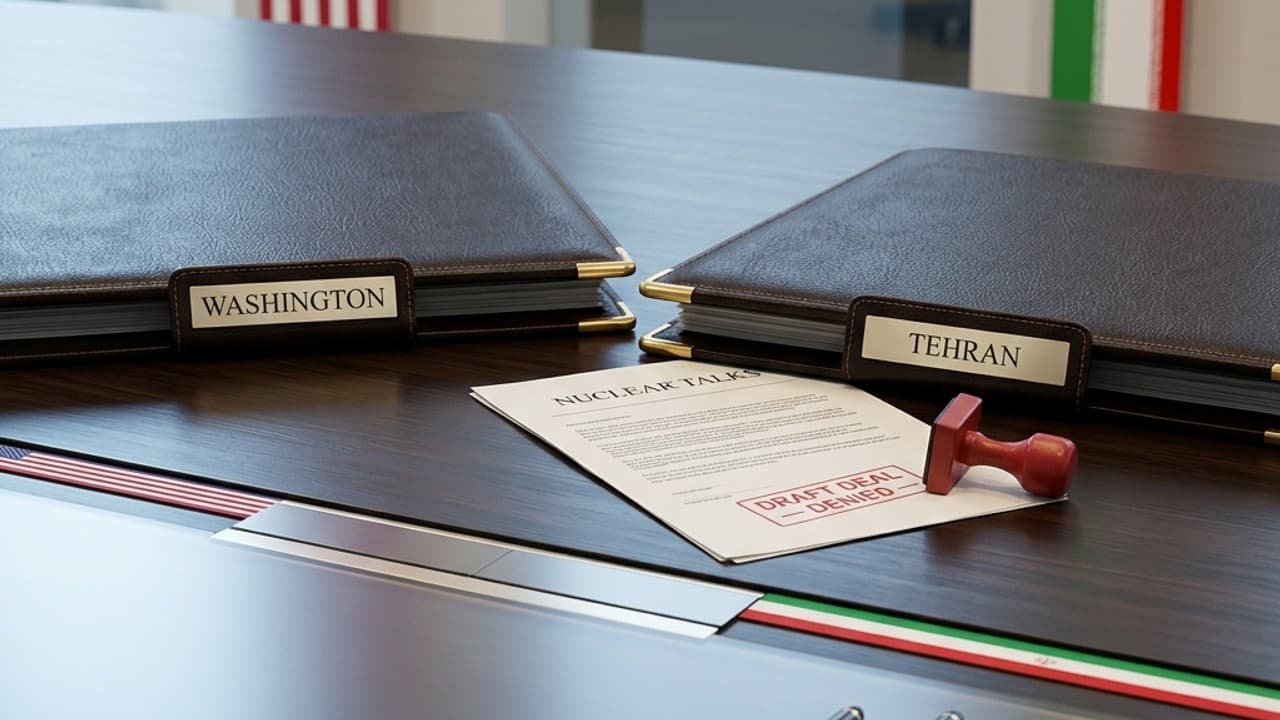
Trump Cabinet Signals Iran Nuclear Deal Progress Within Days
Senior members of the Trump administration expressed cautious optimism on Wednesday, signalling that a potential nuclear agreement with Iran could materialise within hours or days, as diplomatic talks entered a critical phase. Cabinet officials publicly indicated forward momentum in negotiations, raising expectations of a breakthrough in one of the most consequential diplomatic undertakings of the administration.
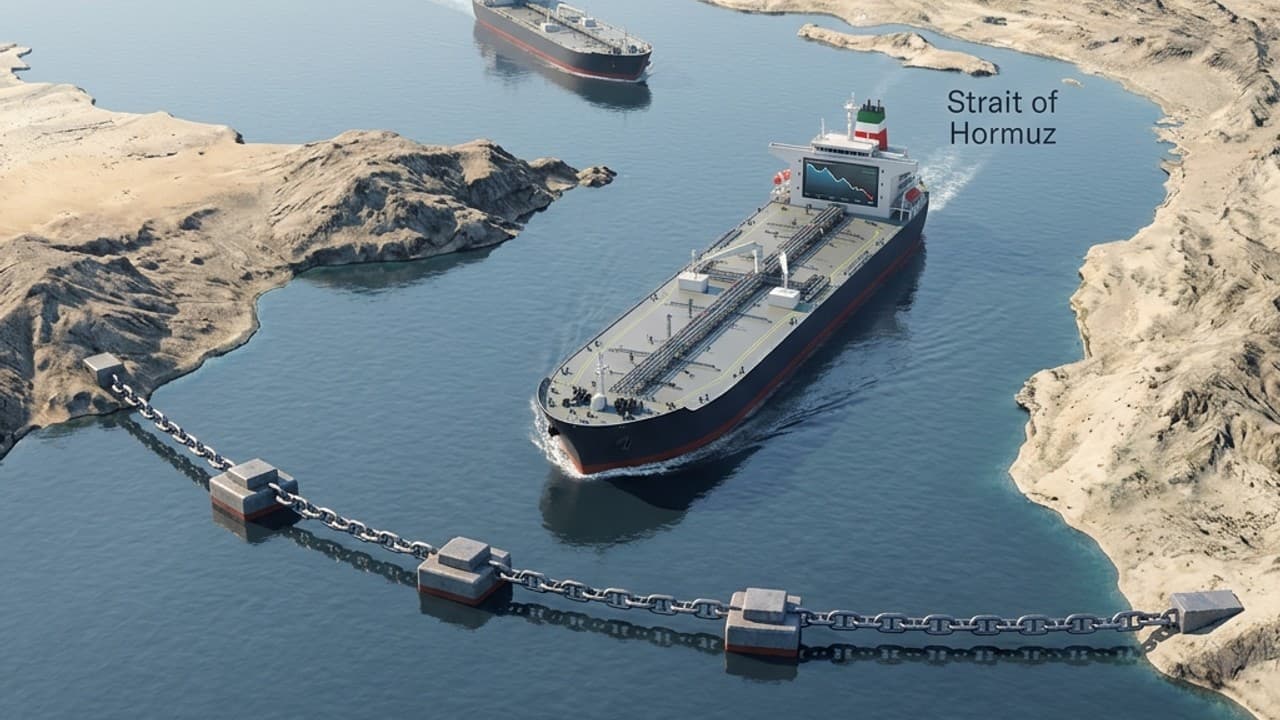
Iran Says Draft Nuclear Deal Would Reopen Strait of Hormuz Shipping
Iranian officials have stated that a draft agreement under negotiation with the United States would result in the reopening of the Strait of Hormuz to international shipping and the lifting of a naval blockade that has disrupted global energy flows. The disclosure represents the most substantive public signal yet of progress in the ongoing talks between Washington and Tehran.
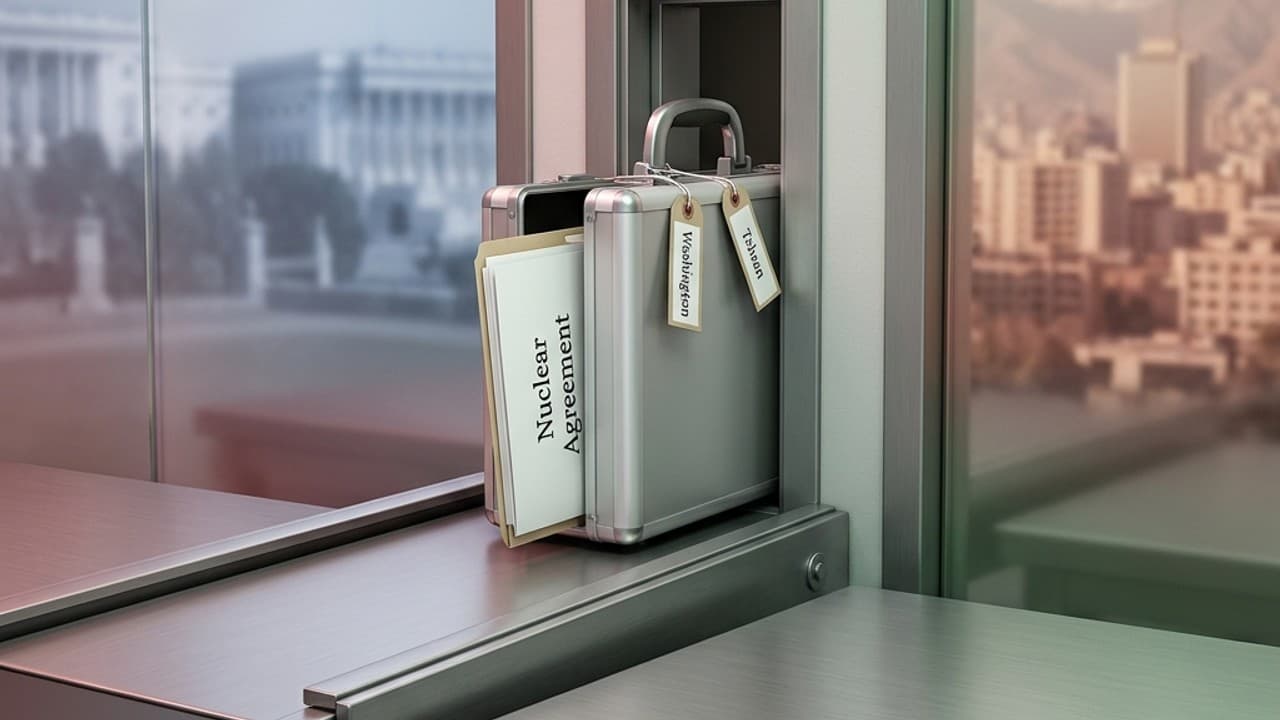
Mojtaba Khamenei to Sign US-Iran Nuclear Deal via Courier
Mojtaba Khamenei, son of Iran's Supreme Leader and a senior figure in the Islamic Revolutionary establishment, is reported to be the designated Iranian signatory on a prospective nuclear deal with the United States, with the signing to take place through an unprecedented courier-based arrangement rather than a direct diplomatic ceremony. The unusual format reflects the profound mutual distrust between Washington and Tehran, as well as security concerns on both sides that have made conventional face-to-face signing impractical.
Rubio Says Iran Deal Days Away as US Strikes Continue
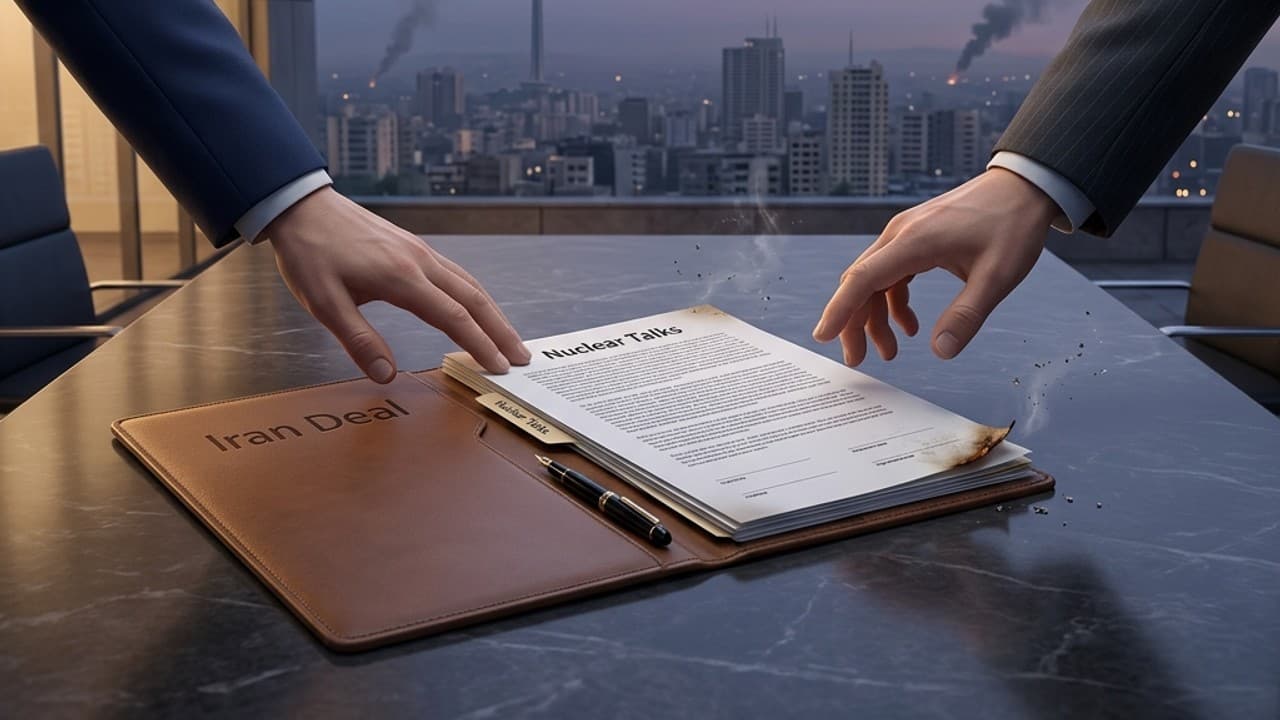
US Secretary of State Marco Rubio has stated that a deal with Iran could be reached within days, even as the United States launched fresh military strikes against Iranian targets. The simultaneous pursuit of diplomacy and military pressure represents the sharpest articulation yet of the Trump administration's dual-track Iran strategy, creating significant uncertainty over the direction and durability of any eventual agreement.
Iran and US Near Deal to End Ongoing Conflict
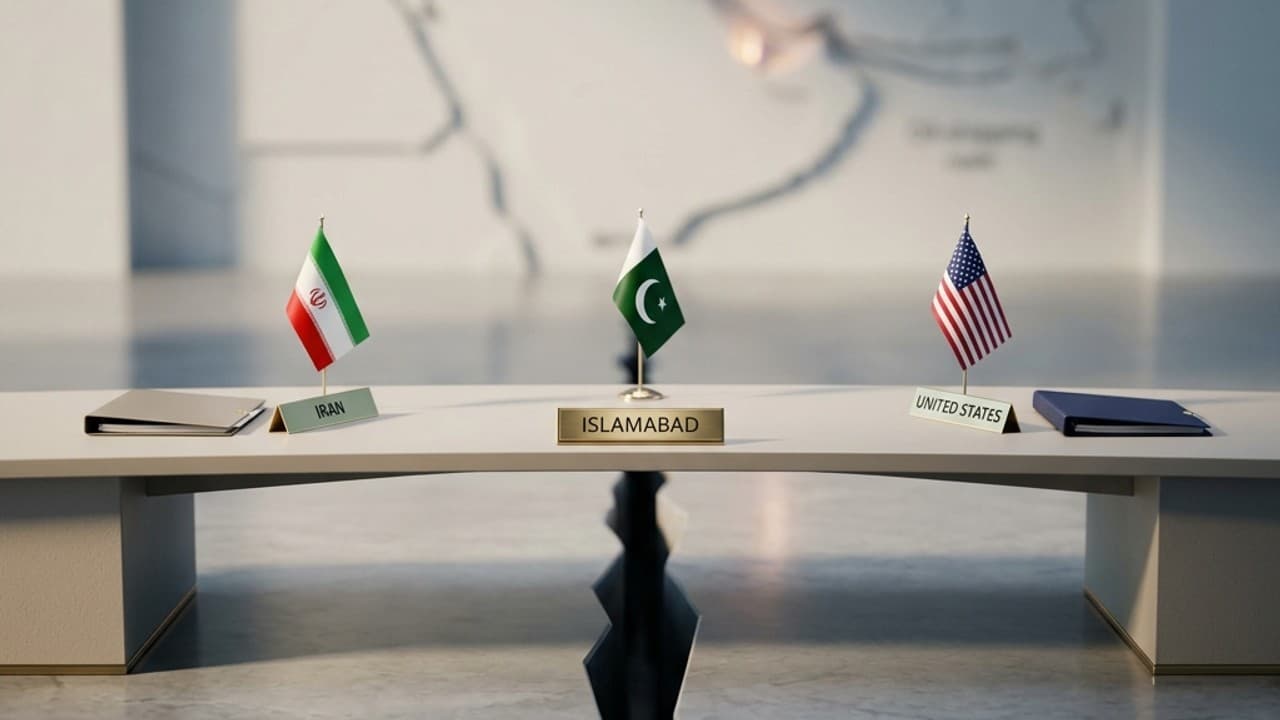
Iran and the United States are reported to be closing in on a diplomatic agreement that could bring an end to their ongoing armed confrontation, in what would constitute one of the most consequential geopolitical developments of the decade. Mediators and informed sources indicate that the broad parameters of a deal are taking shape, though final details remain under negotiation.
Trump Declares Iran Nuclear Deal Largely Done, Hormuz to Reopen
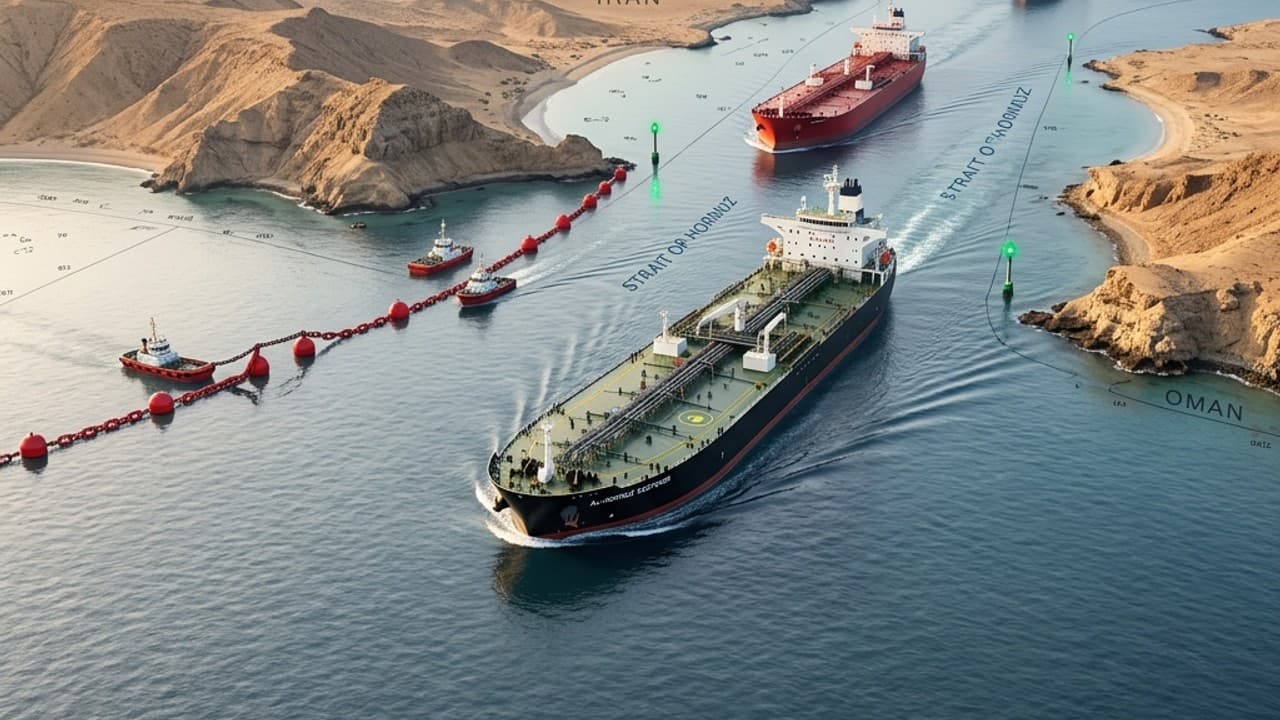
United States President Donald Trump announced on Sunday that a peace deal with Iran has been 'largely negotiated,' adding that the Strait of Hormuz — one of the world's most strategically critical maritime chokepoints — would reopen as part of the arrangement. The declaration, if confirmed, would represent one of the most consequential diplomatic breakthroughs in Middle Eastern geopolitics in decades.