
P3A Transferred to Privatisation Division in Governance Restructure
The federal government has formally notified the transfer of the Public-Private Partnership Authority, known as P3A, to the Privatisation Division, in a structural reorganisation that reshapes how Pakistan manages its public-private infrastructure and investment frameworks. The notification marks a significant administrative realignment with potential consequences for ongoing and pipeline PPP projects across the country.
P3A has historically served as the apex regulatory and facilitation body for public-private partnerships in Pakistan, overseeing frameworks for sectors including energy, transport, and social infrastructure. Its transfer to the Privatisation Division consolidates related mandates and may accelerate the government's broader privatisation agenda under active pressure from the International Monetary Fund.
The move is expected to streamline approval pathways for PPP transactions and improve coordination between privatisation and project financing functions. However, critics may raise concerns about whether consolidation could weaken P3A's independent regulatory mandate within a division primarily focused on asset divestiture.
Stakeholders in the infrastructure and investment space will be watching closely to determine how the reorganisation affects deal pipelines, governance standards, and foreign investor confidence in PPP structures currently under negotiation.
Similar Stories
Background and related coverage on this story.

Pakistan Receives $1.3 Billion IMF Tranche, SBP Confirms
The State Bank of Pakistan confirmed on Wednesday that the country has received a $1.3 billion tranche from the International Monetary Fund, marking a significant injection into the nation's foreign exchange reserves. The disbursement follows the completion of a scheduled review under Pakistan's ongoing IMF programme, with the central bank officially acknowledging receipt of the funds.
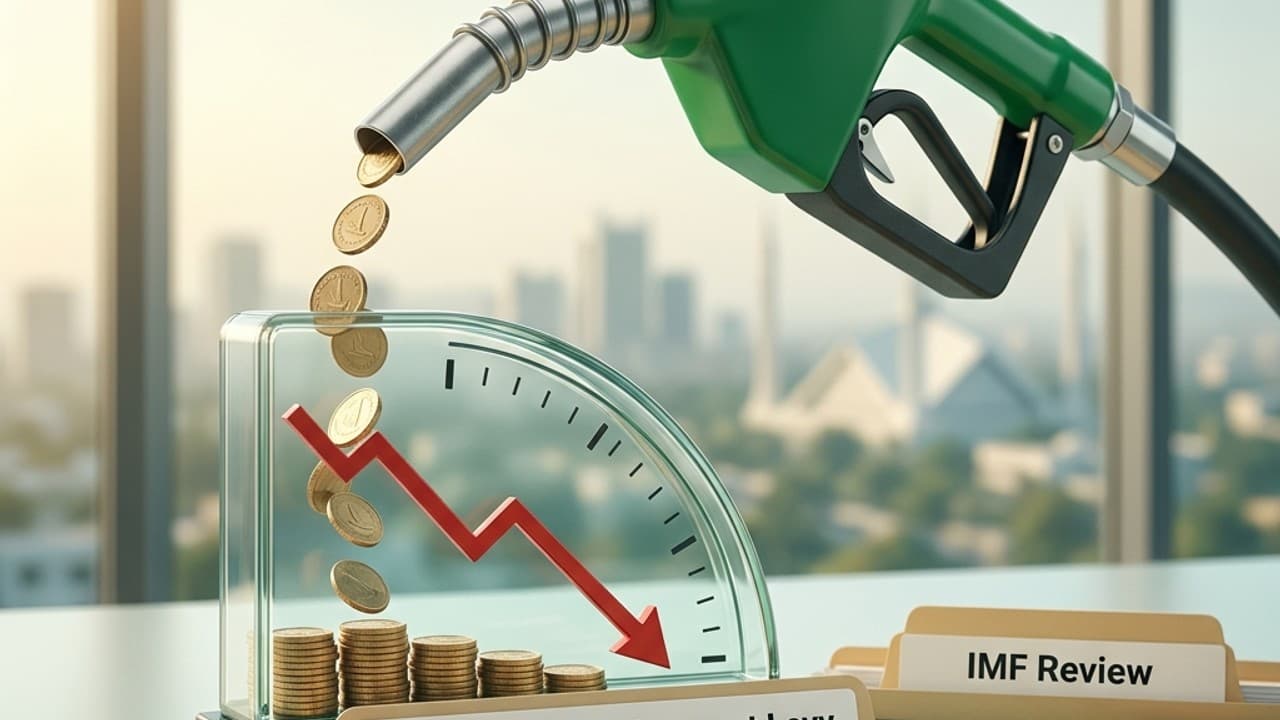
Fuel levy drives Pakistan to lowest fiscal deficit in three decades
Pakistan has recorded its lowest fiscal deficit in nearly three decades, driven primarily by revenues generated through the petroleum development levy, marking a significant milestone in the country's fiscal consolidation trajectory. The development signals a meaningful improvement in government finances at a time when Islamabad has been under sustained pressure from international lenders to narrow its budget gap and stabilise the macroeconomic environment.
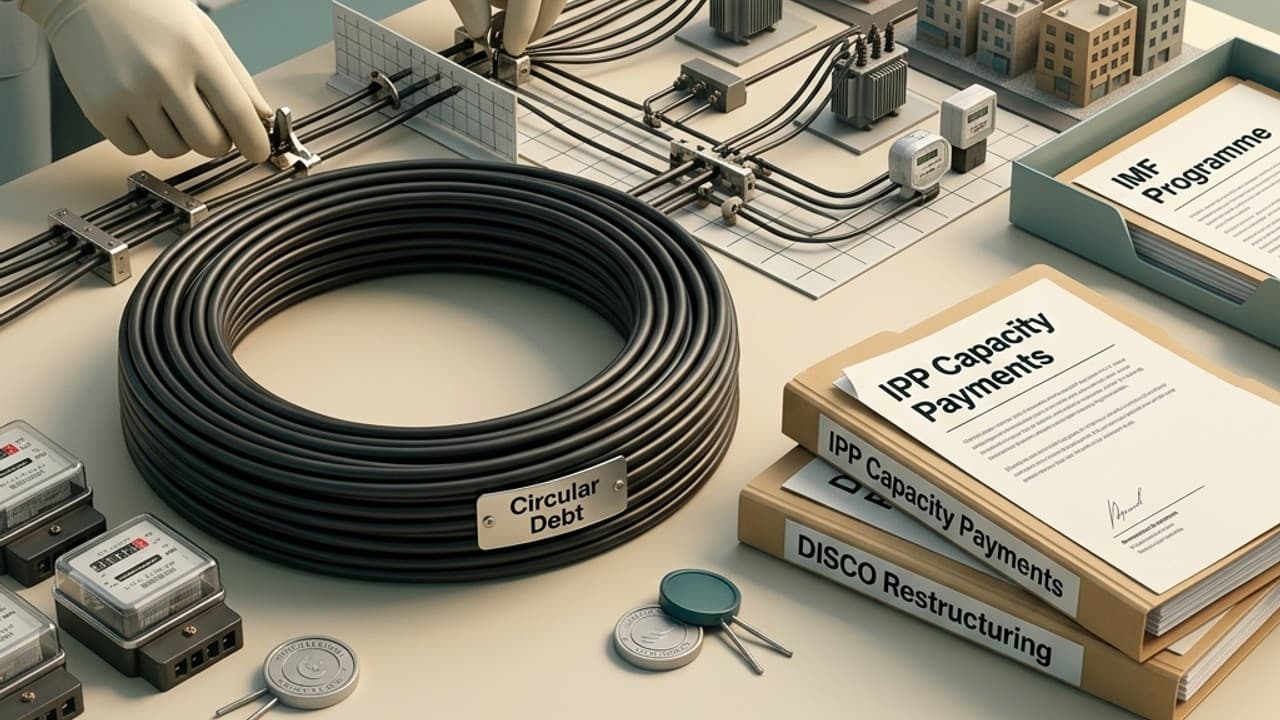
Leghari Announces Sweeping Reforms Across Pakistan's Power Sector
Federal Minister for Energy Awais Leghari has announced a comprehensive package of reforms targeting Pakistan's power sector, addressing systemic inefficiencies that have long burdened consumers, the national grid, and the country's fiscal balance. The announcement signals a major policy push to restructure an industry that has been at the centre of Pakistan's broader economic crisis.
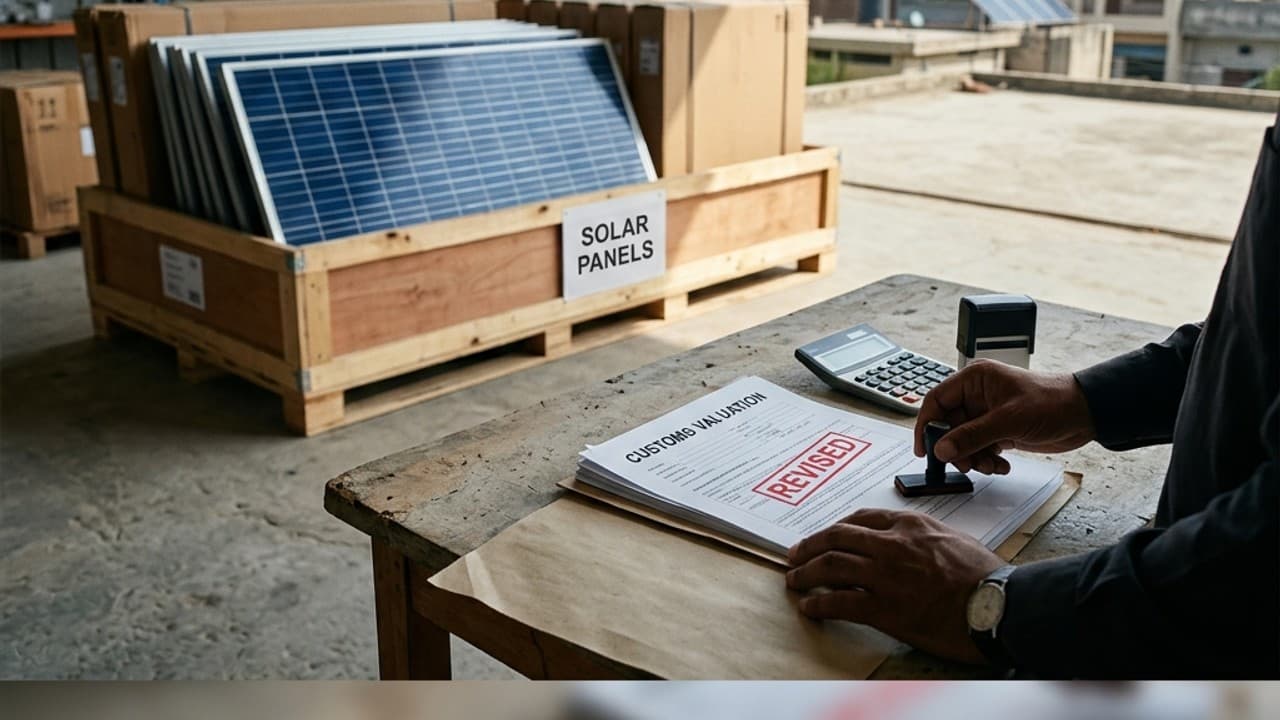
Customs values of solar panels raised by Pakistani authorities
Pakistani customs authorities have increased the official customs valuation of solar panels, a move that will raise the import duty base for one of the country's fastest-growing clean energy input categories. The revision is expected to affect importers, solar installers, and consumers who have been rapidly expanding residential and commercial solar adoption in response to rising grid electricity costs.
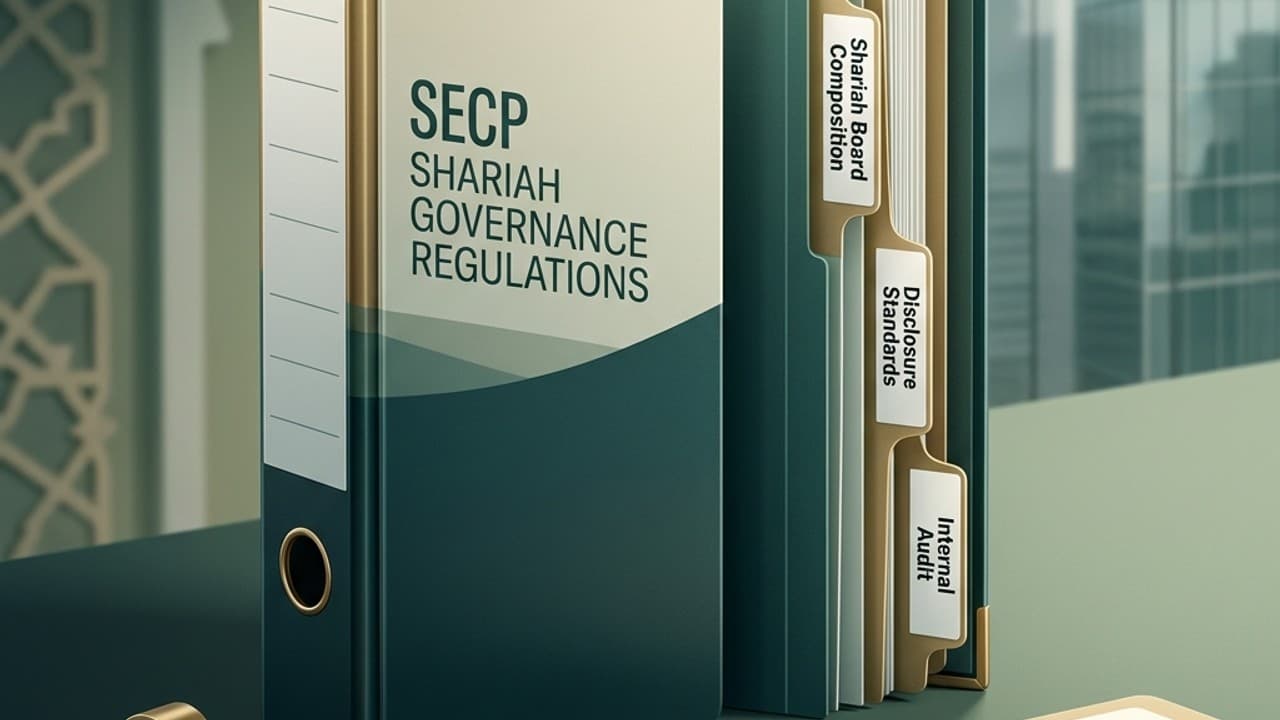
SECP Proposes Major Overhaul of Shariah Governance Regulations
The Securities and Exchange Commission of Pakistan has proposed sweeping changes to its Shariah governance framework, signalling a significant regulatory shift for the country's Islamic finance sector. The proposed amendments are expected to tighten oversight mechanisms for Shariah-compliant financial products and institutions operating under SECP's jurisdiction.