
Pakistan GDP Grows 3.99% in Q3, Economy Reaches $452 Billion
Pakistan's economy expanded to $452 billion in the third quarter of fiscal year 2026, recording GDP growth of 3.99 per cent, according to official data released Wednesday. The figures represent a meaningful acceleration in economic output and offer a significant morale boost to an administration that has spent over a year implementing IMF-mandated stabilisation measures.
The growth reading, while below the government's original targets, marks a continued upward trajectory from the anaemic performance of recent years when Pakistan was navigating one of its worst balance-of-payments crises in decades. Economists note that the improvement reflects gains in manufacturing, services, and agriculture, even as energy costs and fiscal tightening continue to weigh on household consumption.
The Finance Ministry is expected to use the data to argue for a more accommodative fiscal posture in the upcoming budget, asserting that the stabilisation phase has generated enough momentum to justify targeted growth stimulus. The IMF's ongoing Extended Fund Facility review will likely scrutinise whether the growth is accompanied by adequate revenue performance.
Market participants responded cautiously to the release, with analysts noting that sustained growth above four per cent in Q4 will be necessary to meet the full-year target. Pakistan's external account, inflation trajectory, and debt servicing burden remain structural constraints that a single quarter's improvement does not resolve.
Similar Stories
Background and related coverage on this story.
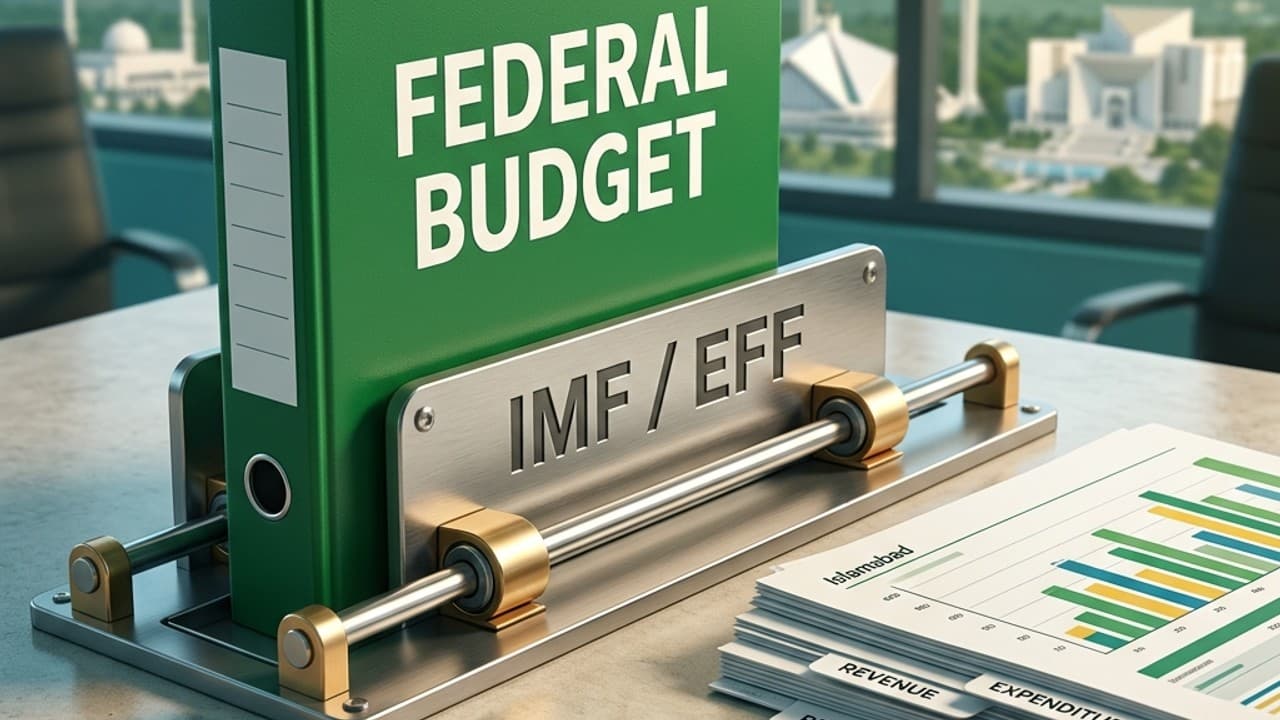
Finance Minister Meets IMF Mission Ahead of Budget Finalisation
Finance Minister Muhammad Aurangzeb held formal discussions with a visiting International Monetary Fund mission on Wednesday as Pakistan enters the critical phase of preparing its federal budget for the upcoming fiscal year. The talks are understood to have focused on revenue targets, expenditure rationalisation, and structural reform benchmarks tied to Pakistan's ongoing Extended Fund Facility programme.

Pakistan Receives $1.3 Billion IMF Tranche, SBP Confirms
The State Bank of Pakistan confirmed on Wednesday that the country has received a $1.3 billion tranche from the International Monetary Fund, marking a significant injection into the nation's foreign exchange reserves. The disbursement follows the completion of a scheduled review under Pakistan's ongoing IMF programme, with the central bank officially acknowledging receipt of the funds.
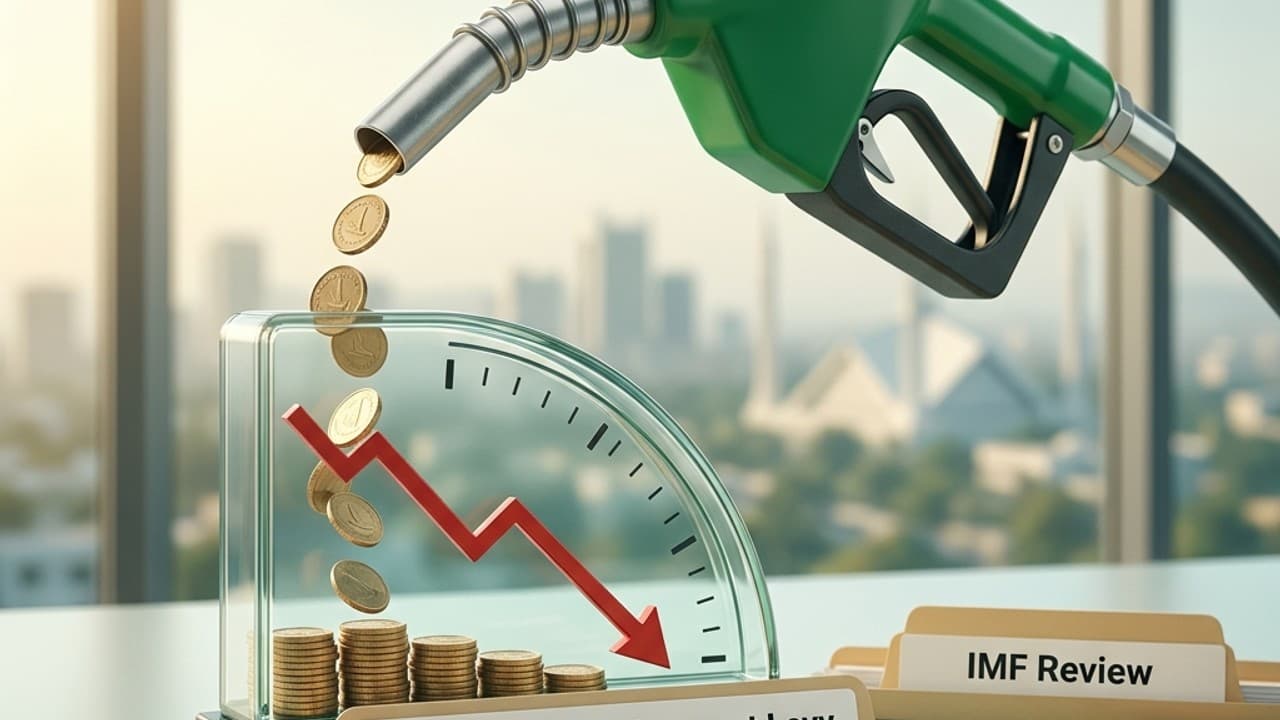
Fuel levy drives Pakistan to lowest fiscal deficit in three decades
Pakistan has recorded its lowest fiscal deficit in nearly three decades, driven primarily by revenues generated through the petroleum development levy, marking a significant milestone in the country's fiscal consolidation trajectory. The development signals a meaningful improvement in government finances at a time when Islamabad has been under sustained pressure from international lenders to narrow its budget gap and stabilise the macroeconomic environment.
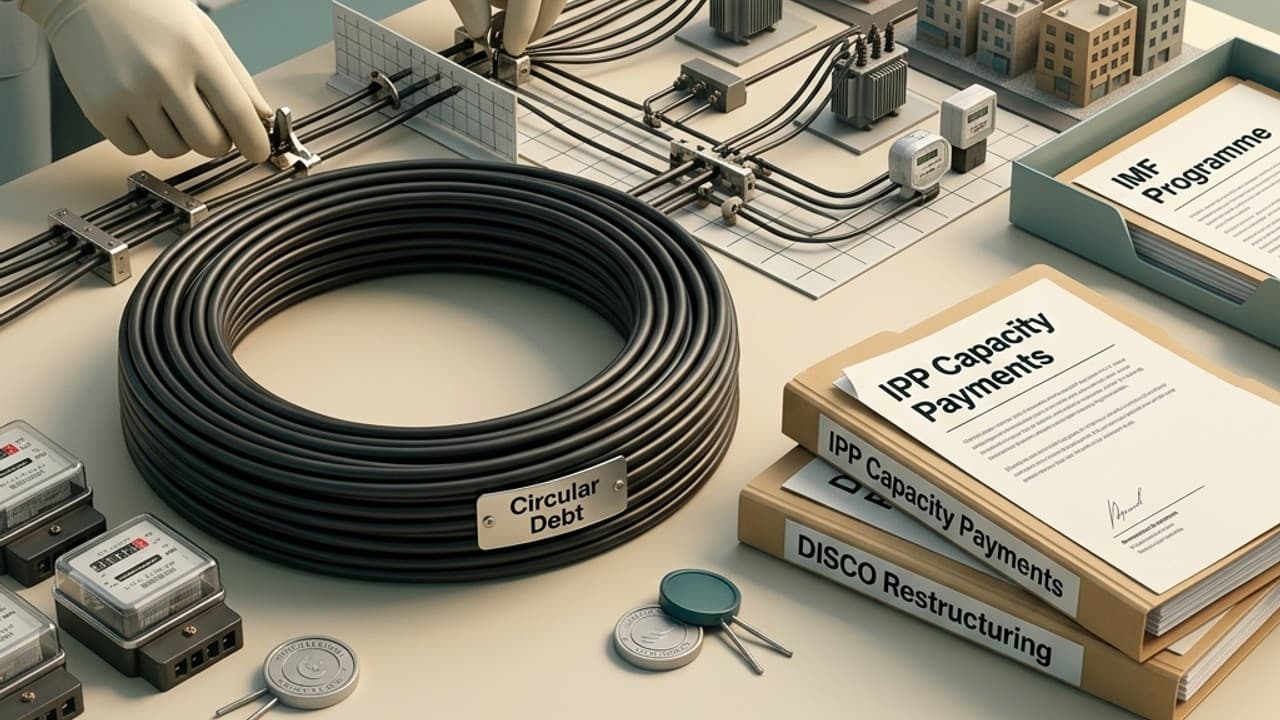
Leghari Announces Sweeping Reforms Across Pakistan's Power Sector
Federal Minister for Energy Awais Leghari has announced a comprehensive package of reforms targeting Pakistan's power sector, addressing systemic inefficiencies that have long burdened consumers, the national grid, and the country's fiscal balance. The announcement signals a major policy push to restructure an industry that has been at the centre of Pakistan's broader economic crisis.

Pakistan and IMF Hold Consultations on Upcoming Federal Budget
Pakistani authorities and the International Monetary Fund have commenced formal discussions on the country's upcoming federal budget, signalling the beginning of a critical pre-budget review process under the ongoing IMF programme. The consultations are focused on ensuring the budget remains aligned with the fiscal consolidation targets agreed under Pakistan's extended arrangement.

P3A Transferred to Privatisation Division in Governance Restructure
The federal government has formally notified the transfer of the Public-Private Partnership Authority, known as P3A, to the Privatisation Division, in a structural reorganisation that reshapes how Pakistan manages its public-private infrastructure and investment frameworks. The notification marks a significant administrative realignment with potential consequences for ongoing and pipeline PPP projects across the country.