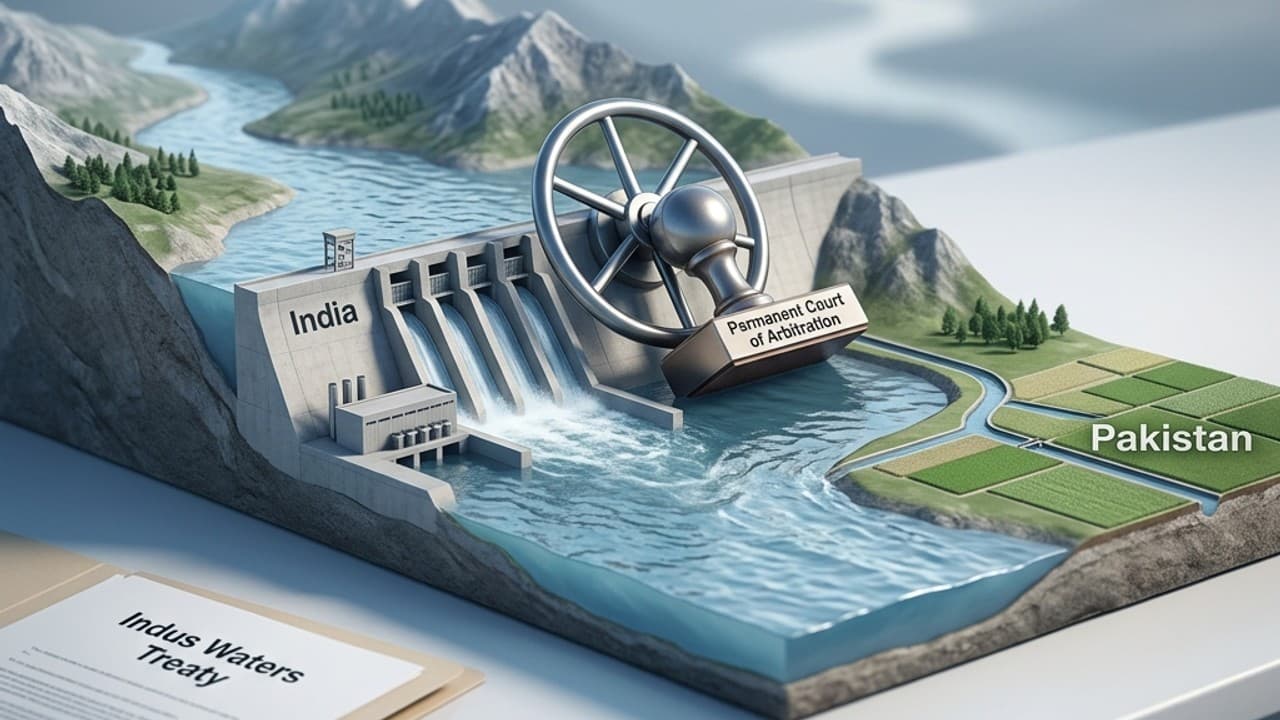
Pakistan Hails PCA Ruling Affirming Limits on India's Water Control
Pakistan has welcomed a significant ruling by the Permanent Court of Arbitration in proceedings related to the Indus Waters Treaty, describing the decision as a clear affirmation of the limits on India's authority to unilaterally control water flows. The government stated that the ruling strengthens Pakistan's long-held legal position that India cannot manipulate or restrict trans-boundary river flows in violation of the 1960 treaty framework.
Officials in Islamabad characterised the PCA's determination as a landmark development in the protracted legal dispute, which has intensified in recent years as relations between the two nuclear-armed neighbours remain strained. The treaty, brokered by the World Bank, governs the division of the Indus basin's six rivers between India and Pakistan.
Pakistan's foreign ministry indicated the ruling reaffirms that India's upstream infrastructure projects on western rivers are subject to treaty obligations and international arbitration oversight. The decision is expected to carry implications for several contested dam and hydropower projects currently under development on the Indian side.
The ruling arrives at a particularly sensitive diplomatic moment, with bilateral ties between Islamabad and New Delhi already under considerable pressure following recent military and political tensions. Legal analysts believe the PCA's position will bolster Pakistan's negotiating posture in any future water-sharing talks and may influence the trajectory of ongoing treaty-related disputes at international forums.
Similar Stories
Background and related coverage on this story.
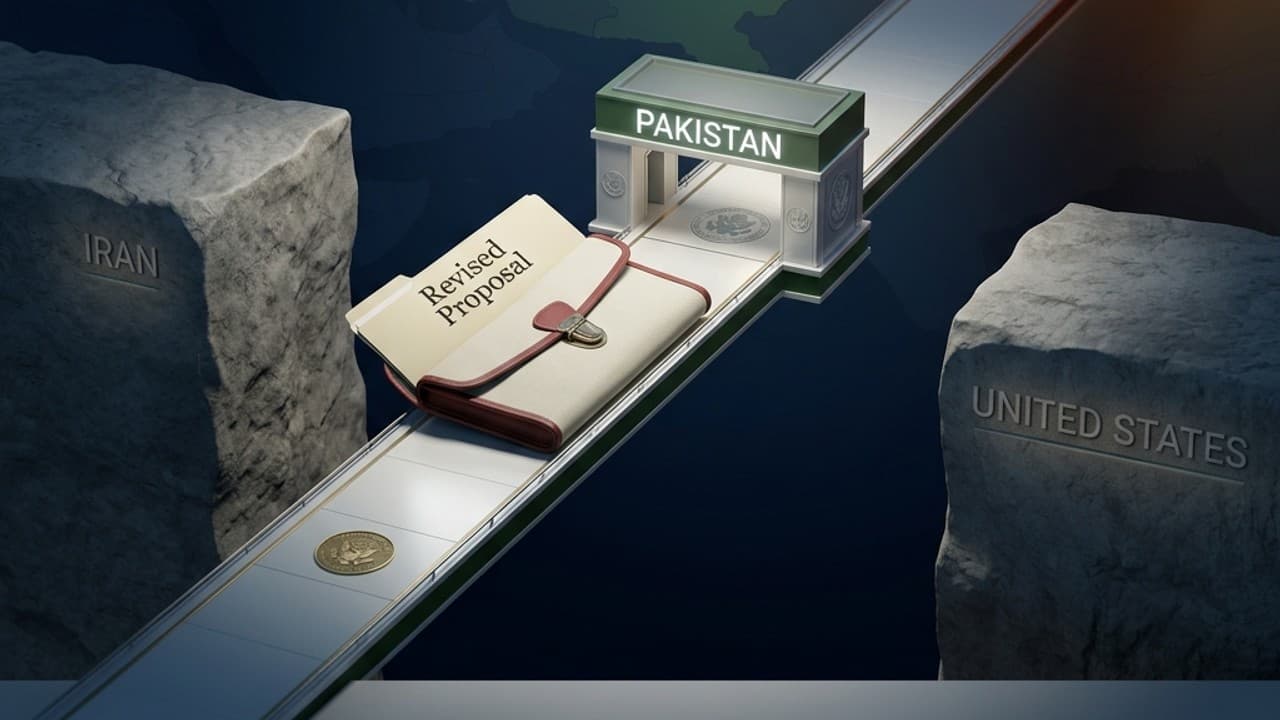
Iran Shares Revised Peace Proposal With US Via Pakistani Channel
Iran has shared a revised proposal to end the ongoing war with the United States through Pakistani diplomatic channels, according to a Pakistani source cited in reports on Monday. The development signals a potential opening in what has been a rapidly escalating military and diplomatic confrontation between Tehran and Washington.
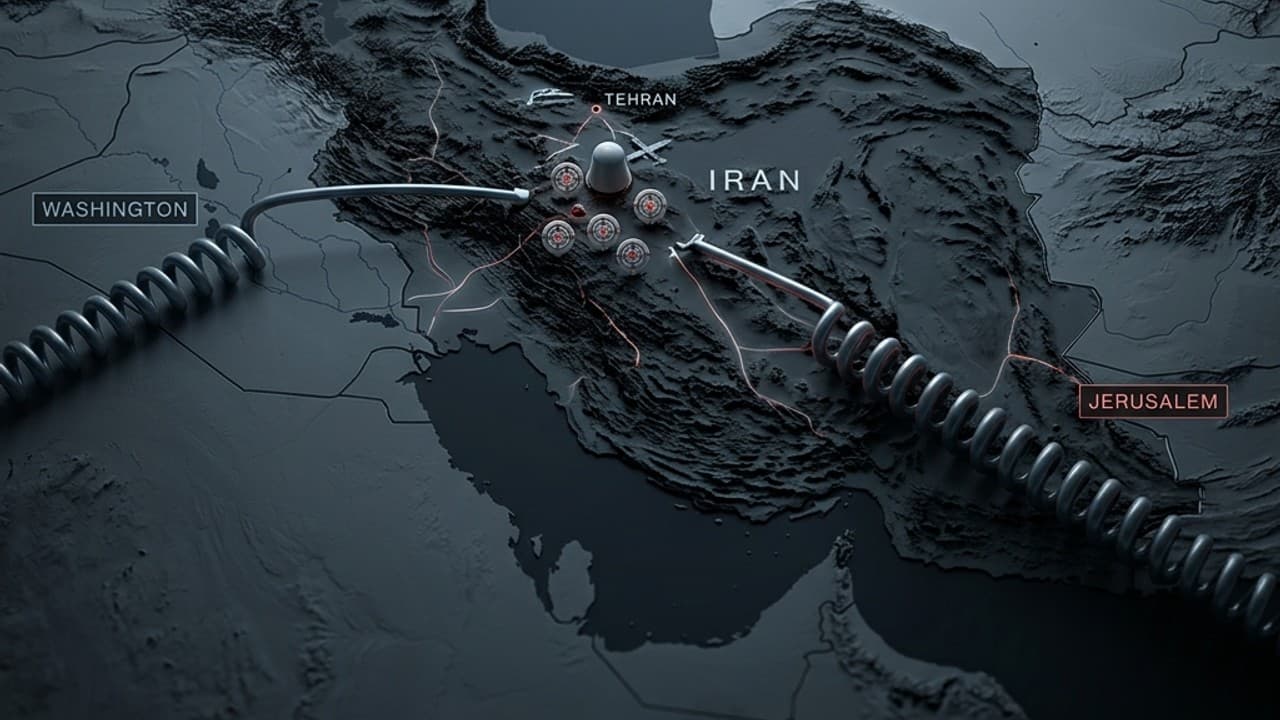
Trump and Netanyahu to Discuss Potential Military Action Against Iran
United States President Donald Trump and Israeli Prime Minister Benjamin Netanyahu are scheduled to speak on Sunday amid credible reports that both governments are weighing a potential revival of coordinated military action against Iran. The call comes at a moment of heightened regional tension following a series of escalatory incidents across the Middle East.
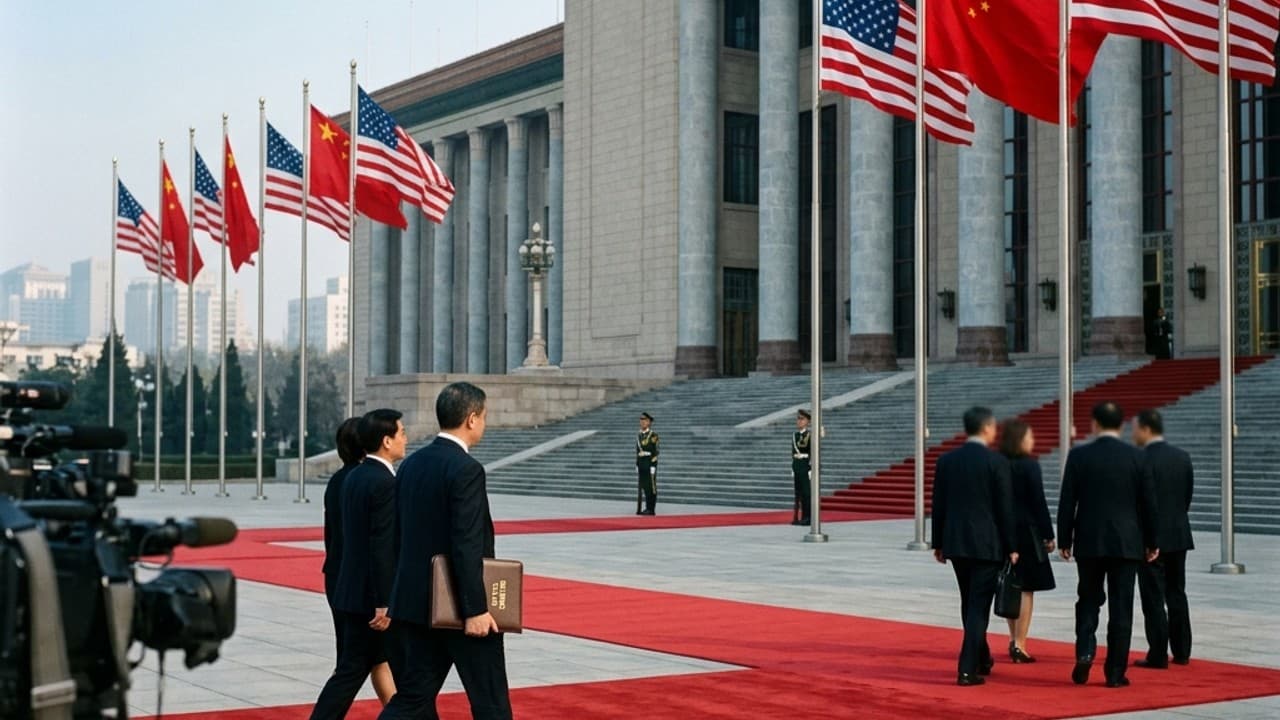
Xi and Trump Open High-Stakes Beijing Talks on Trade and Rivalry
Chinese President Xi Jinping opened high-stakes bilateral talks with US President Donald Trump in Beijing on Thursday, calling for the two powers to be 'partners not rivals' as the leaders squared off over trade, Taiwan, and the deepening structural competition between the world's two largest economies. The summit, held against a backdrop of intensifying strategic rivalry, marks one of the most consequential face-to-face encounters between Beijing and Washington in recent years.
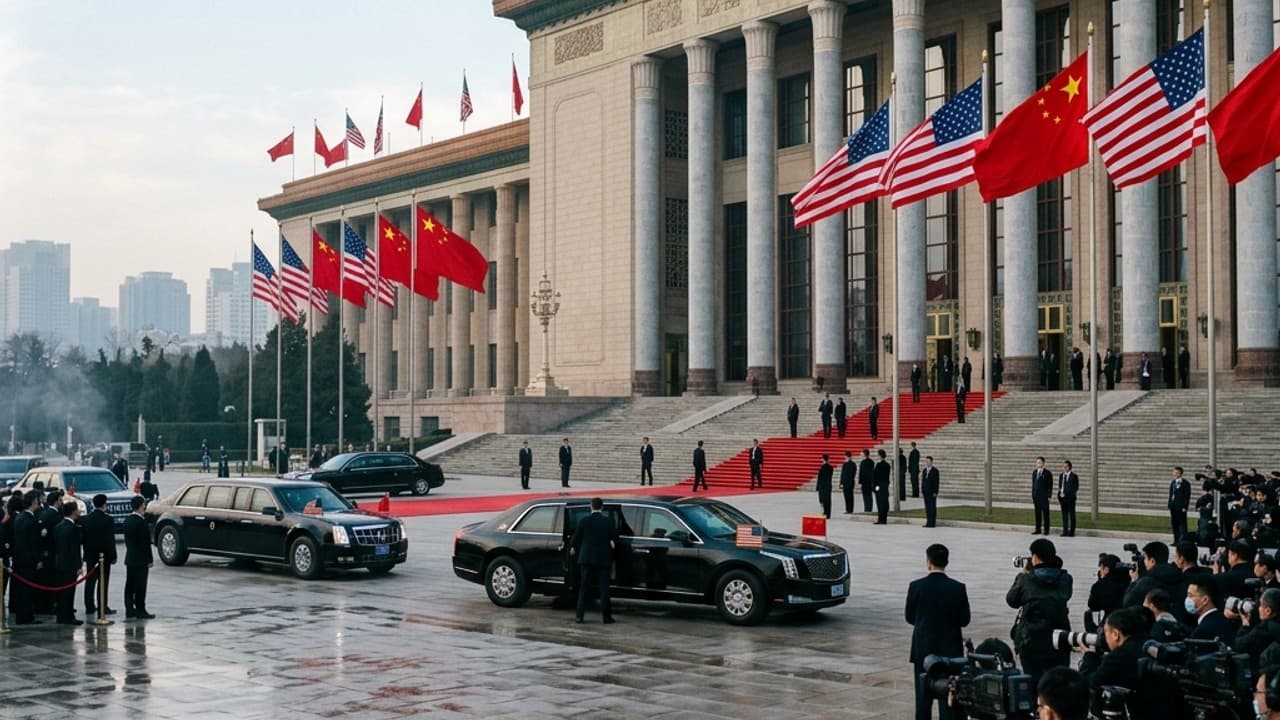
Trump and Xi Hold High-Stakes Summit in Beijing
United States President Donald Trump and Chinese President Xi Jinping convened for high-stakes bilateral talks in Beijing on Thursday, marking a significant diplomatic engagement between the world's two largest economies. The summit comes amid persistent tensions over trade, technology, and regional security that have defined the relationship between Washington and Beijing in recent years.
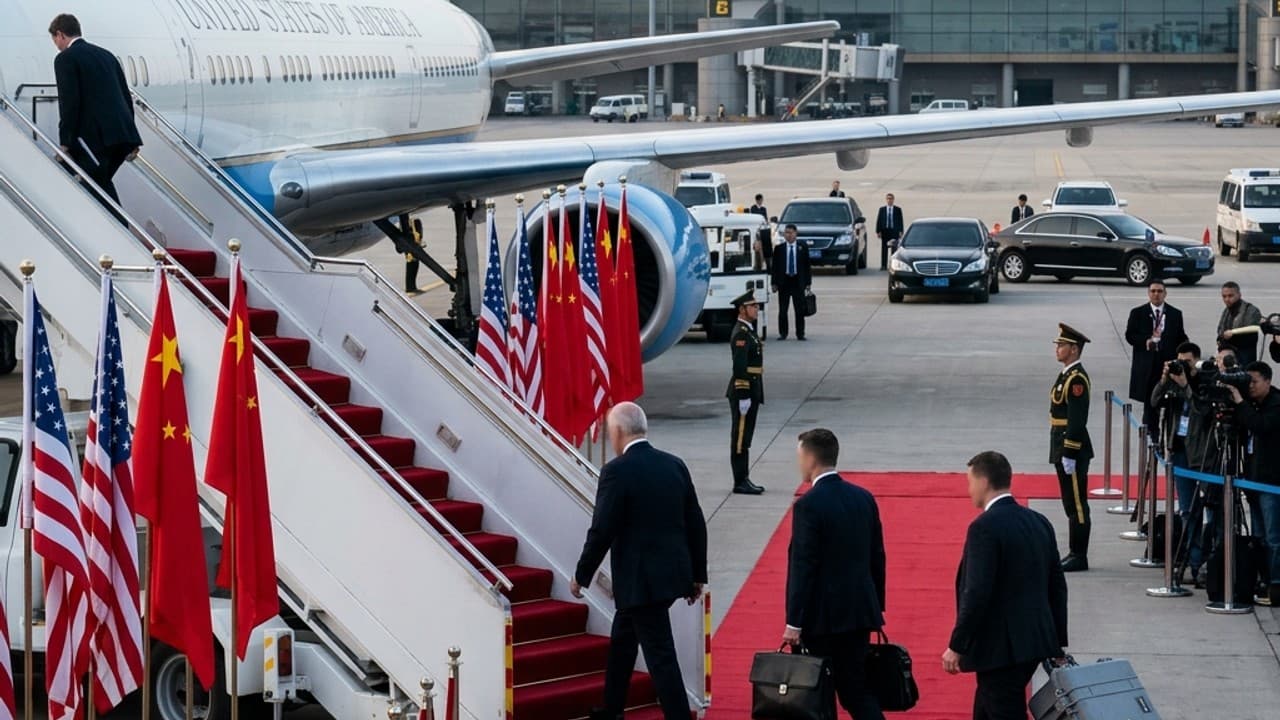
Trump Arrives in Beijing for High-Stakes Summit with Xi
United States President Donald Trump has arrived in Beijing for a high-stakes summit with Chinese President Xi Jinping, marking one of the most consequential bilateral meetings in recent years. The visit comes amid ongoing trade tensions between the world's two largest economies, with both sides expected to weigh significant tariff reductions as part of a broader managed trade framework.
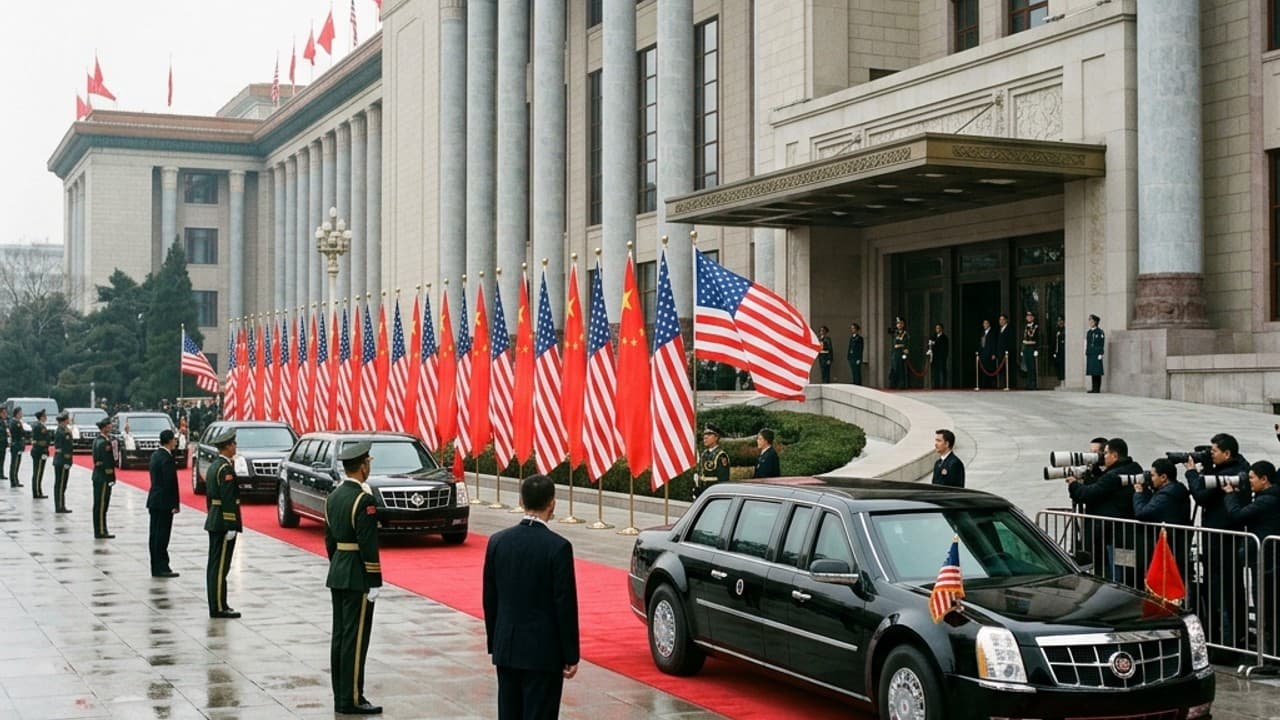
Trump Travels to Beijing for High-Stakes Talks With Xi Jinping
United States President Donald Trump is travelling to Beijing for a summit with Chinese President Xi Jinping in what represents the most consequential bilateral engagement between the world's two largest economies in years. The talks are expected to cover a sweeping agenda including trade dispute resolution, Taiwan's political status, and a range of technology and security flashpoints that have pushed US-China relations to a breaking point.