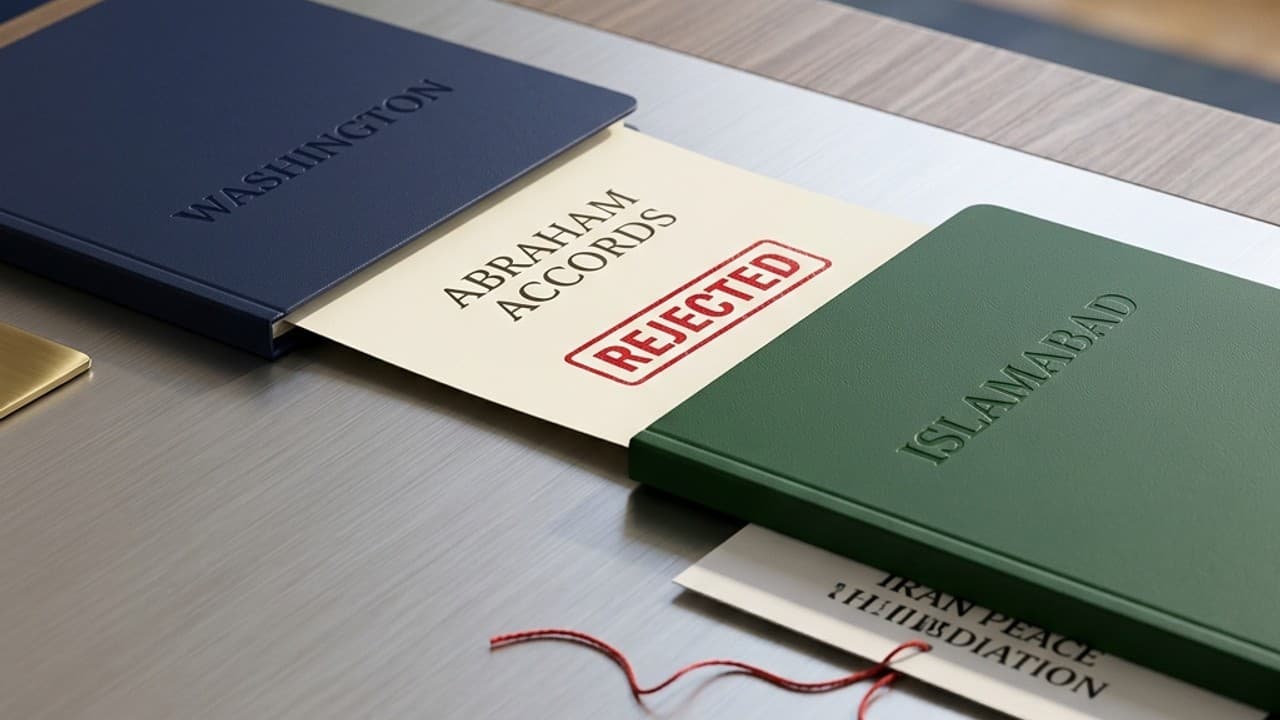
Pakistan Rejects Trump's Demand to Join Abraham Accords in Iran Peace Deal
Pakistan has formally rejected a demand from US President Donald Trump that Islamabad join the Abraham Accords as a condition linked to the Iran peace deal that Pakistan helped broker, in a significant diplomatic assertion of Pakistan's independent foreign policy posture. The rejection places Pakistan in direct tension with Washington on a high-profile diplomatic matter at a sensitive juncture in regional peace efforts.
Trump's administration had reportedly sought to leverage Pakistan's mediation role in the Iran peace process to extract a broader normalisation commitment with Israel under the Abraham Accords framework. Pakistan's refusal, communicated through official channels, reflects the government's position that its mediation was conducted as a sovereign act of regional diplomacy and not as a transactional gateway to other bilateral commitments.
Islamabad's stance is consistent with its long-standing policy of non-recognition of Israel pending a just resolution of the Palestinian issue. Pakistan has consistently been among the most vocal Muslim-majority states in international forums on Palestinian rights, and any departure from this position would carry significant domestic political and diplomatic consequences.
The development is likely to complicate Pakistan's engagement with Washington on other bilateral matters, including defence cooperation, trade relations, and IMF programme dynamics where US influence is relevant. The Foreign Office has indicated that Pakistan remains committed to playing a constructive role in regional peace without compromising its principled positions on core Muslim world issues.
Similar Stories
Background and related coverage on this story.
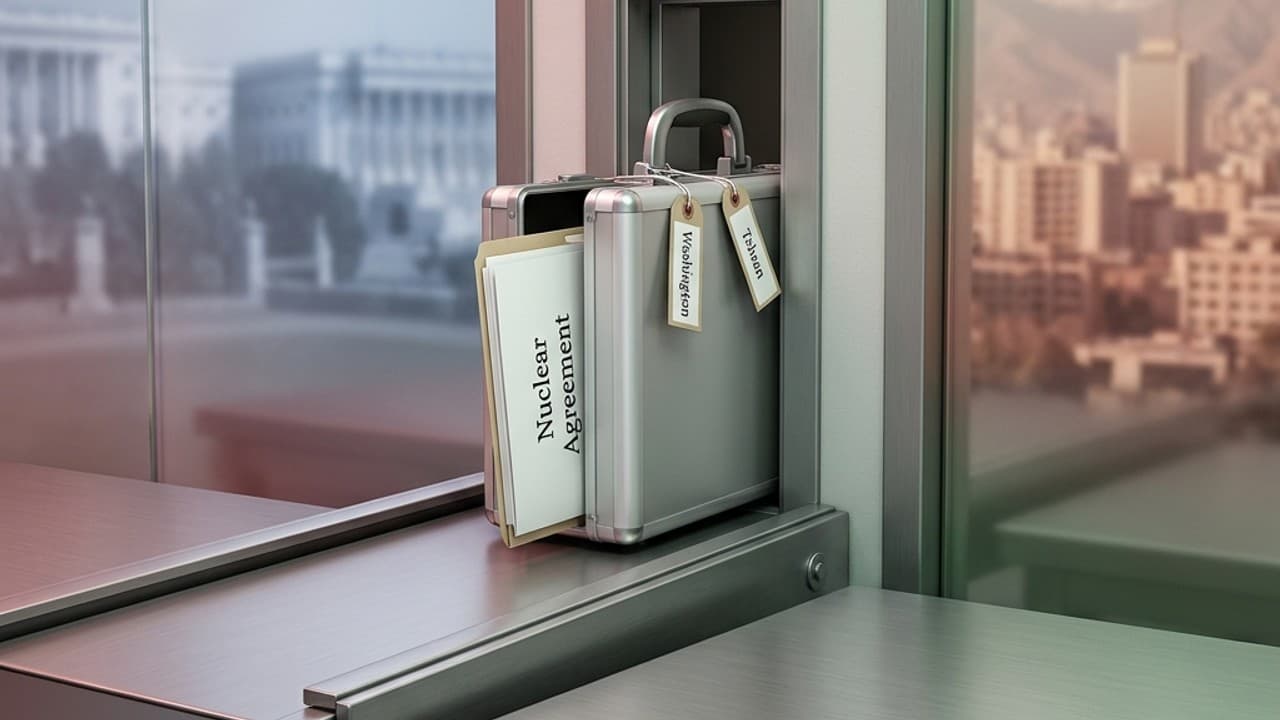
Mojtaba Khamenei to Sign US-Iran Nuclear Deal via Courier
Mojtaba Khamenei, son of Iran's Supreme Leader and a senior figure in the Islamic Revolutionary establishment, is reported to be the designated Iranian signatory on a prospective nuclear deal with the United States, with the signing to take place through an unprecedented courier-based arrangement rather than a direct diplomatic ceremony. The unusual format reflects the profound mutual distrust between Washington and Tehran, as well as security concerns on both sides that have made conventional face-to-face signing impractical.
Rubio Says Iran Deal Days Away as US Strikes Continue
US Secretary of State Marco Rubio has stated that a deal with Iran could be reached within days, even as the United States launched fresh military strikes against Iranian targets. The simultaneous pursuit of diplomacy and military pressure represents the sharpest articulation yet of the Trump administration's dual-track Iran strategy, creating significant uncertainty over the direction and durability of any eventual agreement.
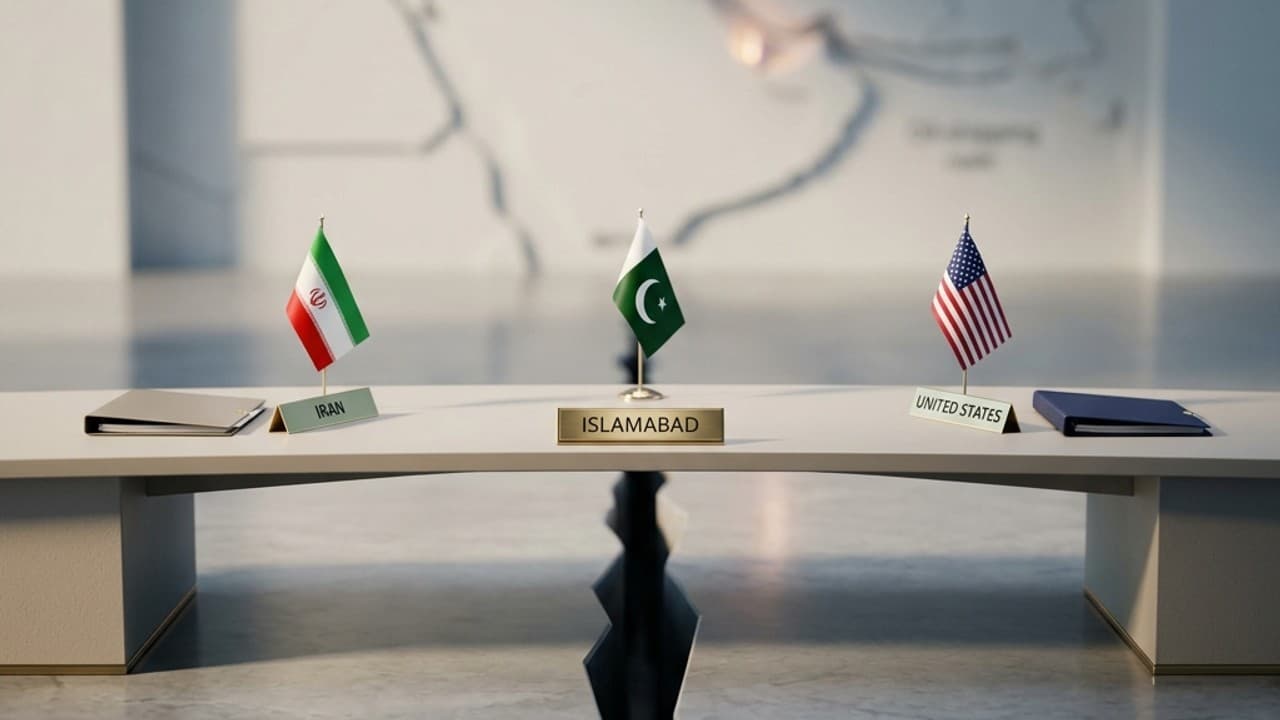
Iran and US Near Deal to End Ongoing Conflict
Iran and the United States are reported to be closing in on a diplomatic agreement that could bring an end to their ongoing armed confrontation, in what would constitute one of the most consequential geopolitical developments of the decade. Mediators and informed sources indicate that the broad parameters of a deal are taking shape, though final details remain under negotiation.
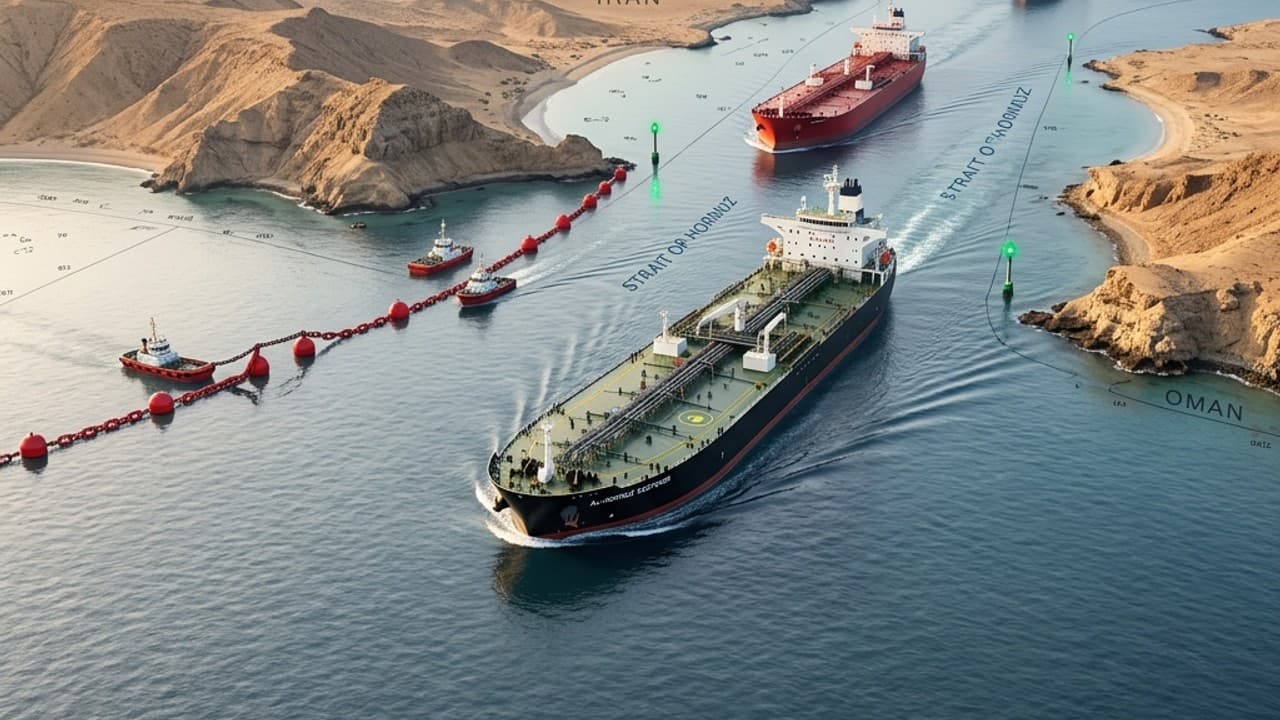
Trump Declares Iran Nuclear Deal Largely Done, Hormuz to Reopen
United States President Donald Trump announced on Sunday that a peace deal with Iran has been 'largely negotiated,' adding that the Strait of Hormuz — one of the world's most strategically critical maritime chokepoints — would reopen as part of the arrangement. The declaration, if confirmed, would represent one of the most consequential diplomatic breakthroughs in Middle Eastern geopolitics in decades.
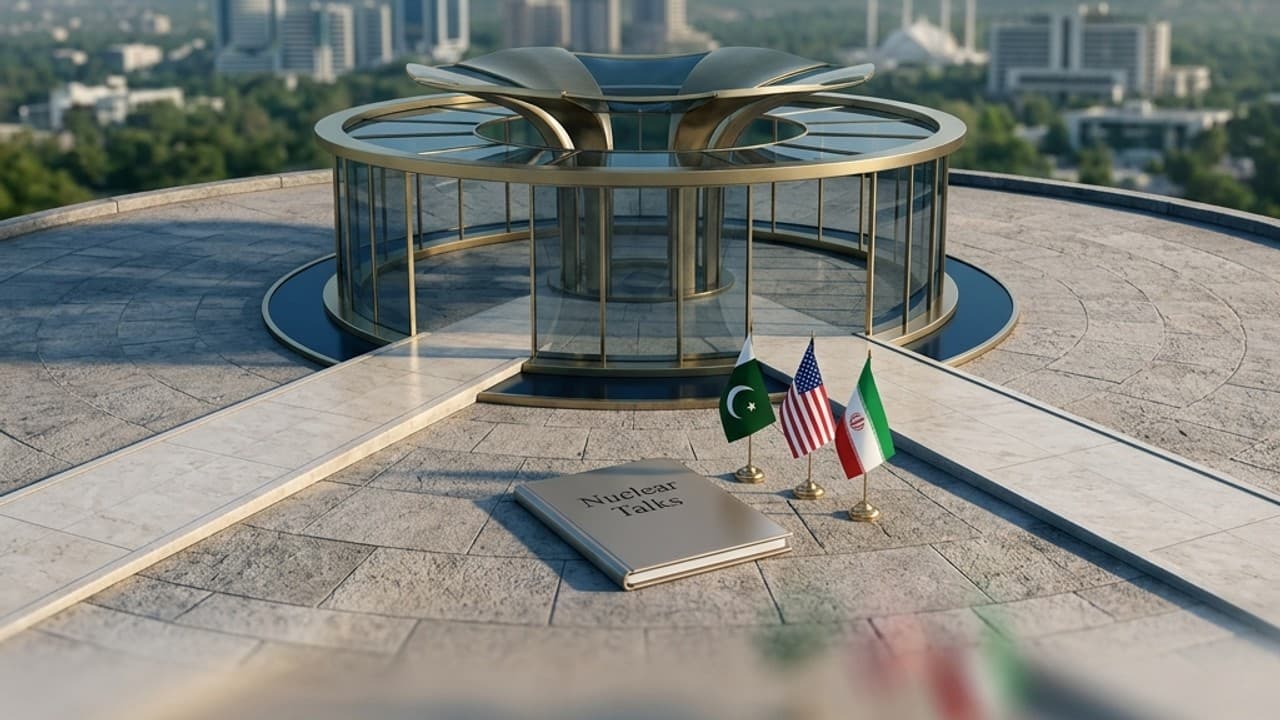
Pakistan Hopes to Host US-Iran Nuclear Talks Very Soon
Prime Minister Shehbaz Sharif has expressed confidence that Pakistan will host the next round of US-Iran nuclear negotiations 'very soon', as former US President Donald Trump described a prospective deal as 'largely negotiated'. The remarks signal a significant diplomatic breakthrough in which Pakistan has positioned itself as a critical facilitator between Washington and Tehran.
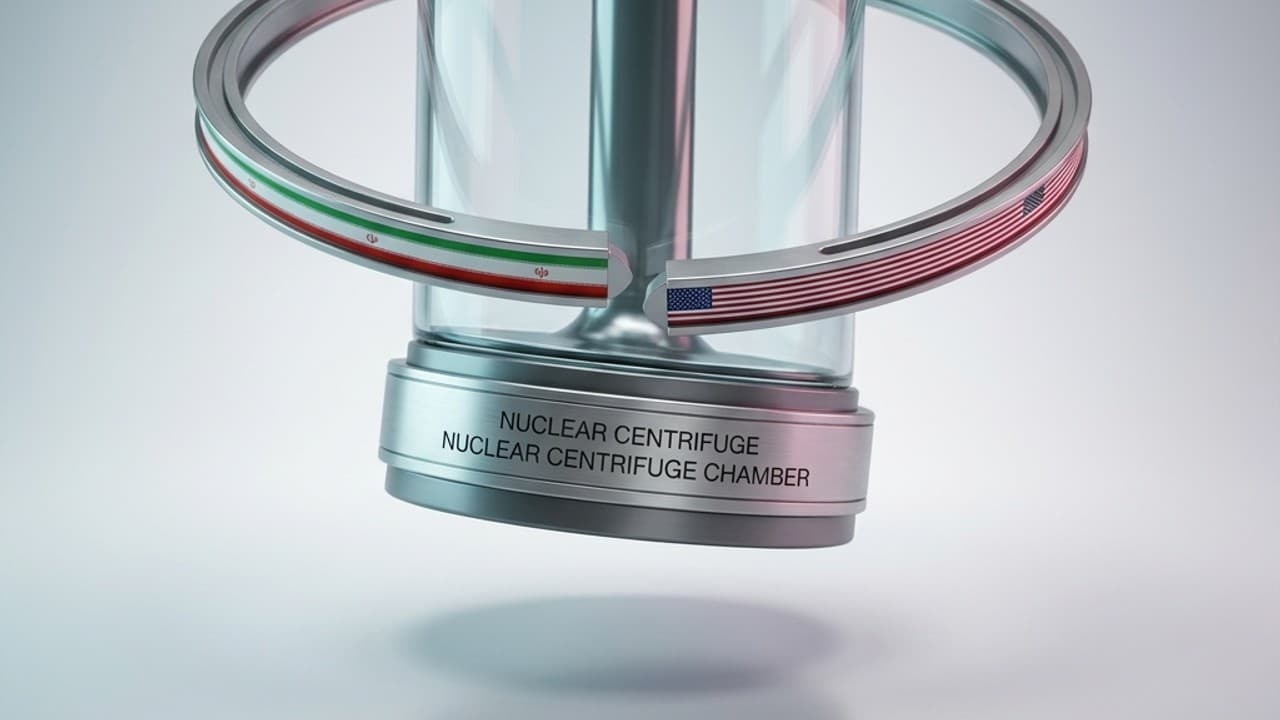
Iran and US Signal Possible Nuclear Deal Breakthrough After Talks
Iran and the United States have both signalled that negotiations over Tehran's nuclear programme may be nearing a critical juncture, with officials on both sides describing the possibility of a breakthrough as the 84-day conflict approaches a potential resolution. Donald Trump stated publicly that a deal with Iran was largely negotiated, the most direct indication yet from Washington that diplomatic progress had moved substantially beyond preliminary frameworks.