
Pakistan Remittances Reach Record $3.5 Billion in April 2026
Pakistan recorded inward remittances of $3.5 billion in April 2026, marking a significant monthly figure that reinforces the country's dependence on overseas worker transfers as a primary pillar of external account stability. The data provides a tangible boost to Pakistan's balance of payments position at a time when the current account remains under pressure from import demands and global commodity price volatility.
Remittances have emerged as Pakistan's most reliable source of foreign exchange inflows, consistently outpacing export earnings growth and providing a buffer against the rupee's structural vulnerability. The April figure, if sustained, would support the State Bank of Pakistan's foreign exchange reserve position and reduce pressure on the exchange rate in the near term.
The strong inflows reflect continued demand for Pakistani labour in Gulf Cooperation Council economies, where infrastructure and energy projects have sustained migrant worker deployment. Formal channel usage also appears to have improved following regulatory incentives introduced to shift remittance flows away from informal hawala networks.
For the broader economic management framework, buoyant remittances ease the IMF programme's current account targets and provide the government with more headroom on the fiscal and monetary side. Policymakers will be expected to highlight the April figure as evidence of external sector resilience, even as structural vulnerabilities in trade competitiveness remain unresolved.
Similar Stories
Background and related coverage on this story.
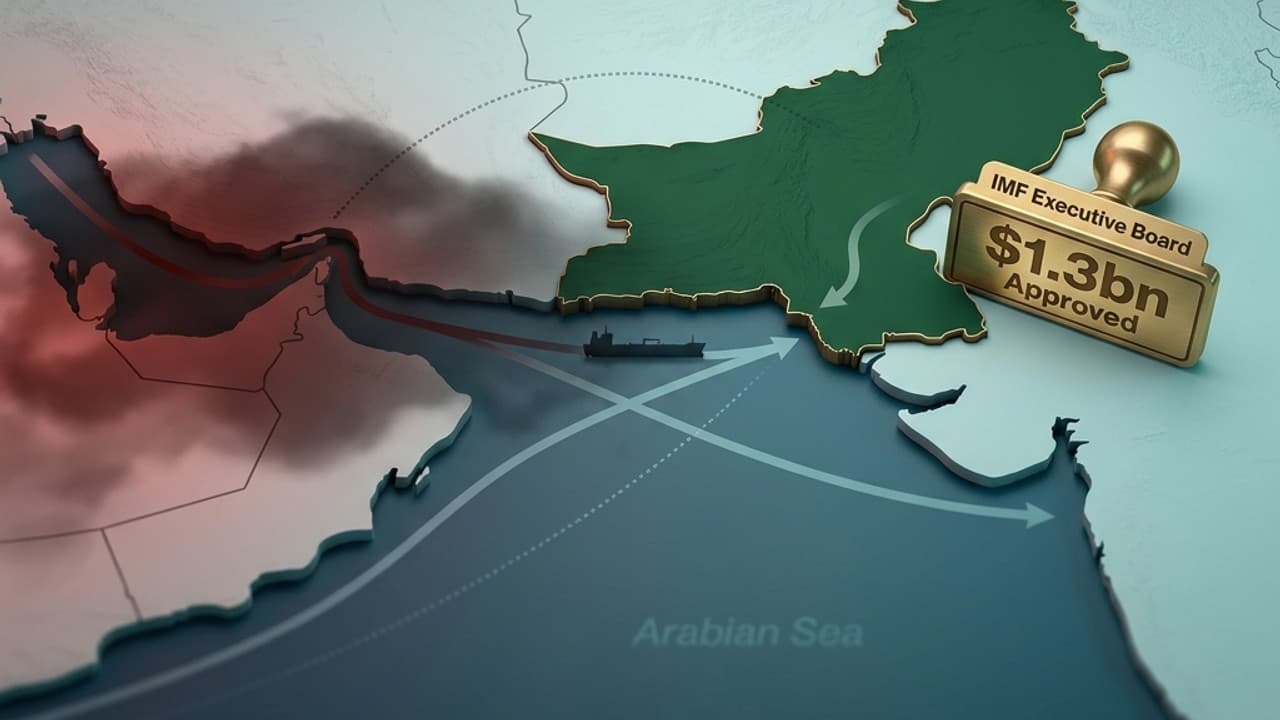
IMF Approves $1.3bn for Pakistan, Warns of Middle East War Risks
The International Monetary Fund's Executive Board has approved $1.3 billion in financing for Pakistan under its ongoing reform programme, providing a critical lifeline to an economy navigating persistent fiscal pressures and an uncertain external environment. The disbursement marks a significant milestone in Pakistan's engagement with the Fund, reflecting continued compliance with agreed benchmarks on fiscal consolidation, monetary tightening, and structural reforms.
IMF Board Approves $1.32 Billion Tranche for Pakistan
The International Monetary Fund's executive board has approved a disbursement of $1.32 billion for Pakistan, providing a critical injection of external financing as the country continues to stabilise its balance of payments position. The tranche approval follows a successful programme review and signals the Fund's continued confidence in Pakistan's economic adjustment trajectory.
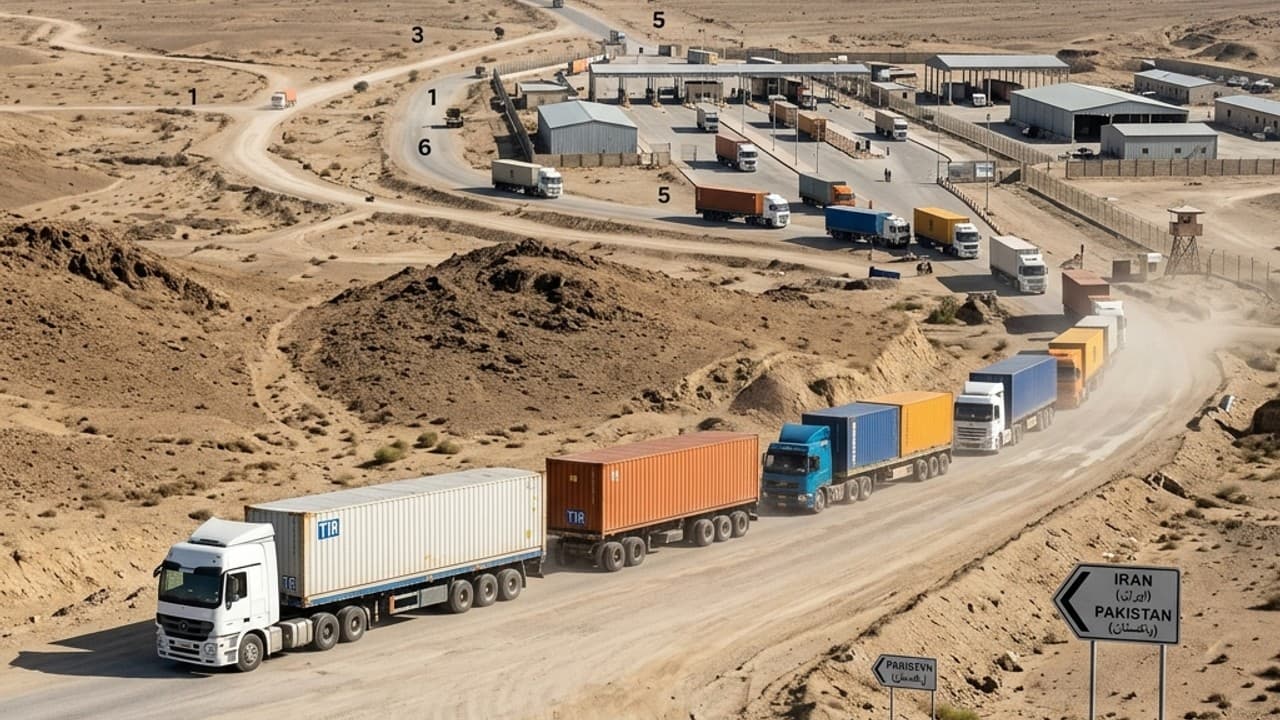
Pakistan Opens Six Land Routes for Trade with Iran Amid Hormuz Blockade
Pakistan has formally notified six overland routes for the transportation of goods to Iran as the blockade of the Strait of Hormuz and the disruption of Iranian ports continues to sever Tehran's access to maritime trade. The notification represents a substantive policy decision by Islamabad to activate alternative land corridors in response to one of the region's most serious logistical crises in years.

UN Warns Iran-Israel War Could Push 30 Million Back Into Poverty
The United Nations has issued a stark warning that the ongoing military conflict between Israel, the United States, and Iran risks pushing more than 30 million people back into poverty, with the greatest impacts expected in import-dependent developing nations and conflict-proximate economies across the Middle East and South Asia. The UN's assessment highlights the cascading economic consequences of the war, including the disruption of global oil supplies, soaring energy prices, supply chain fragmentation, and the collapse of trade routes through the Strait of Hormuz.
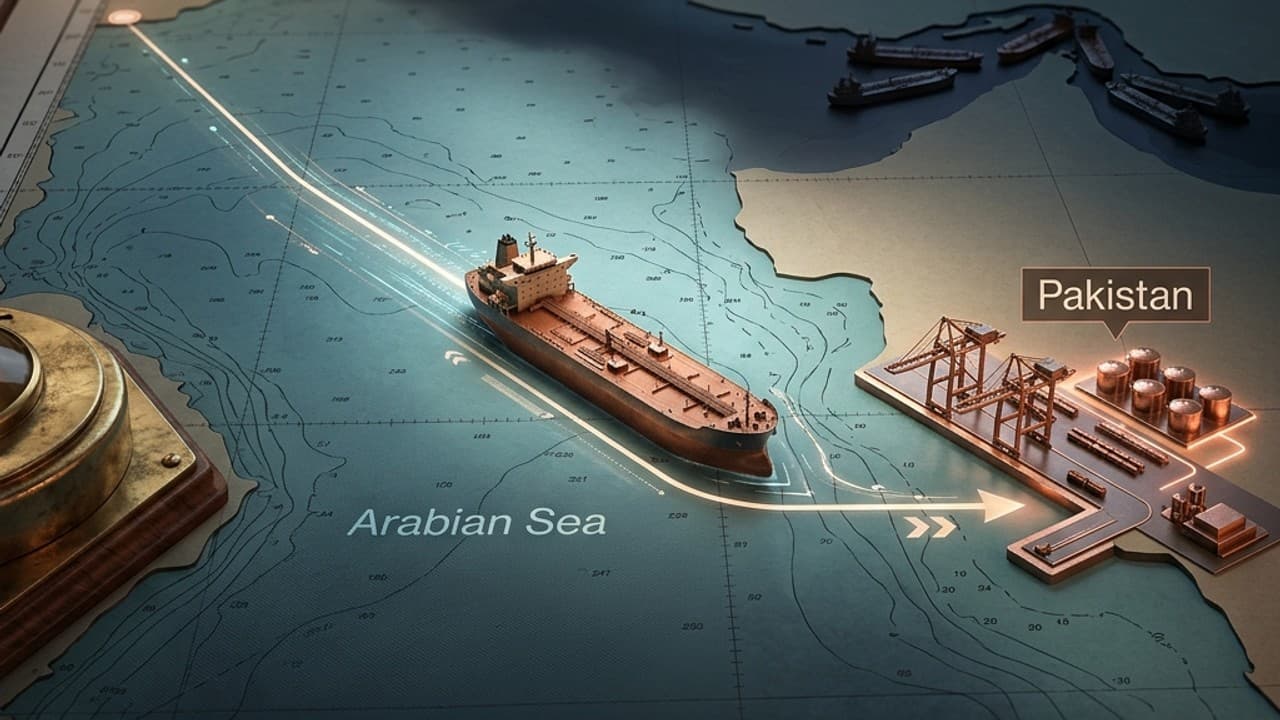
Pakistan Plans to Raise Russian Oil Imports Amid Hormuz Crisis
Pakistan is in discussions to significantly increase crude oil imports from Russia as the ongoing crisis at the Strait of Hormuz continues to disrupt traditional supply chains and elevate energy market uncertainty, according to reports citing sources within the energy sector. The move represents a strategic pivot in Pakistan's import diversification efforts under conditions of acute regional energy pressure.
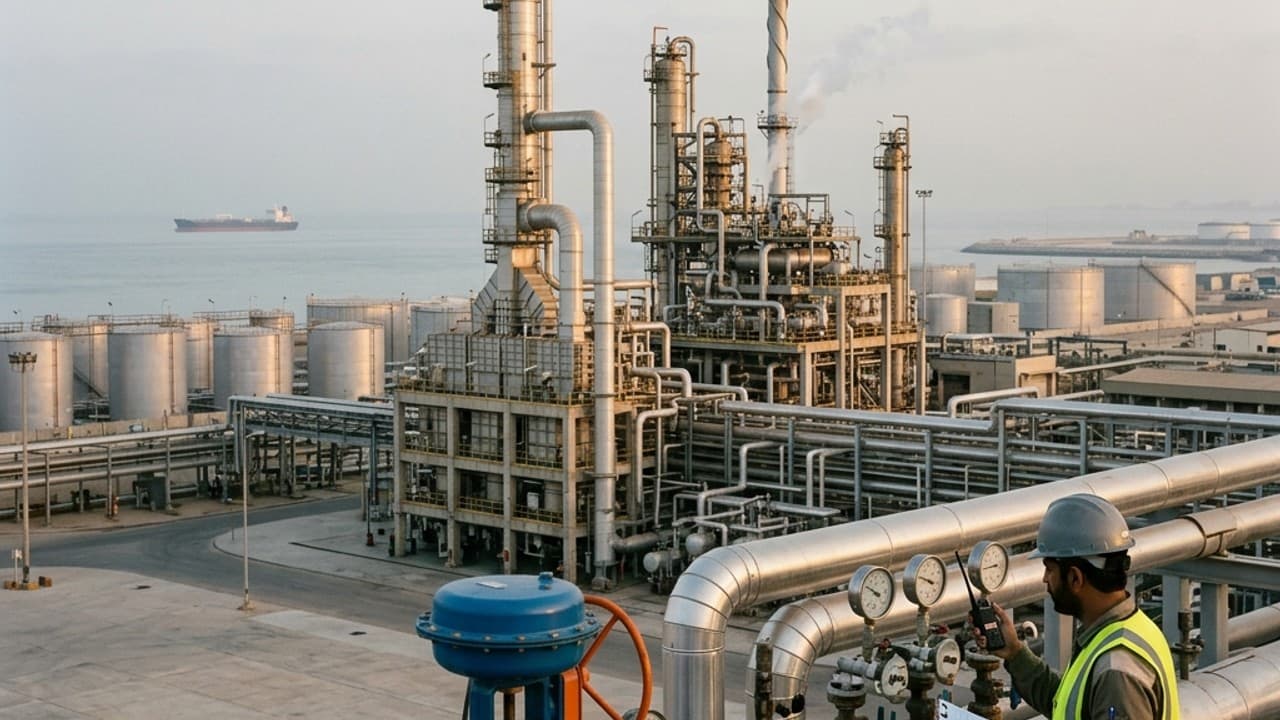
Pakistan Revives Oil Refining Policy Amid Strait of Hormuz Disruptions
The Pakistani government has revived a long-shelved oil refining policy as disruptions to shipping through the Strait of Hormuz intensify pressure on the country's energy supply chain. The move signals a strategic pivot toward domestic refining capacity at a time when regional maritime instability is threatening the reliability and cost of imported petroleum products.