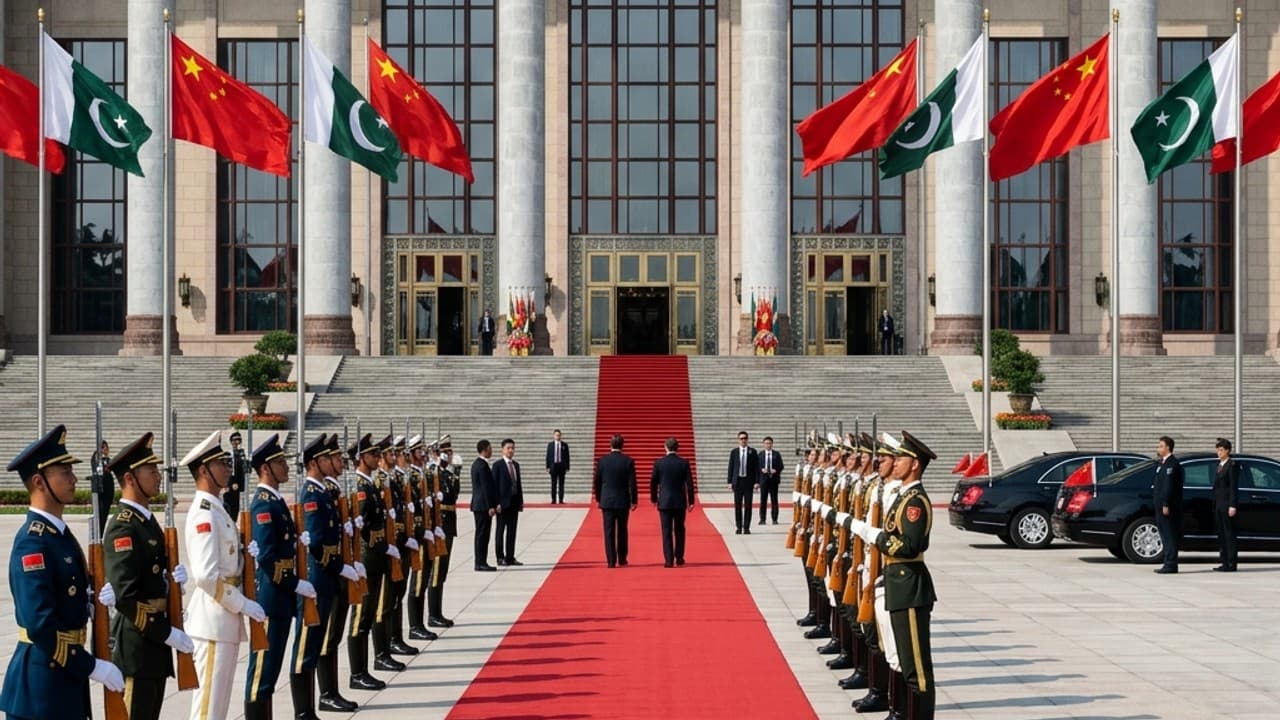
PM Shehbaz Meets Chinese Premier Li Qiang in Beijing
Prime Minister Shehbaz Sharif held a formal bilateral meeting with his Chinese counterpart in Beijing on Monday, marking a significant engagement between the two nations at the highest executive level. The meeting took place at the Great Hall of the People, where the Pakistani premier was received with a full guard of honour, underscoring the ceremonial weight of the visit.
The talks are expected to cover the full spectrum of Pakistan-China relations, including progress on the China-Pakistan Economic Corridor, energy cooperation, trade imbalances, and security coordination. Islamabad has placed considerable diplomatic priority on deepening economic integration with Beijing as Pakistan continues to navigate fiscal pressures and seeks to attract foreign investment.
The guard of honour ceremony at the Great Hall of the People is traditionally reserved for visiting heads of government, signalling the formal and high-protocol nature of the engagement. Pakistan and China describe their relationship as an 'all-weather strategic cooperative partnership', a designation that carries both symbolic and substantive weight in bilateral discourse.
The visit comes at a critical juncture as Pakistan advances its economic stabilisation agenda under the IMF programme while simultaneously seeking to expand CPEC Phase II commitments. Chinese investment in infrastructure, energy, and industrial zones remains central to Islamabad's medium-term development calculus, making this bilateral summit of direct consequence to the national economic outlook.
Similar Stories
Background and related coverage on this story.
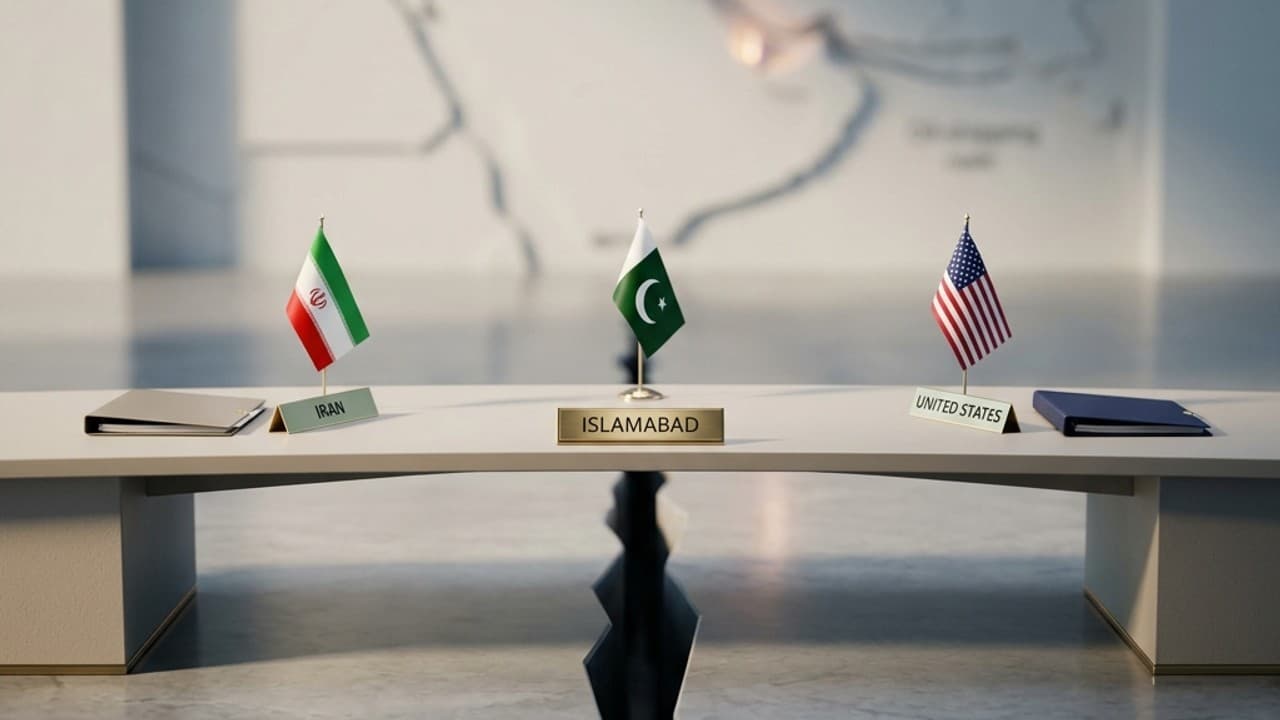
Iran and US Near Deal to End Ongoing Conflict
Iran and the United States are reported to be closing in on a diplomatic agreement that could bring an end to their ongoing armed confrontation, in what would constitute one of the most consequential geopolitical developments of the decade. Mediators and informed sources indicate that the broad parameters of a deal are taking shape, though final details remain under negotiation.
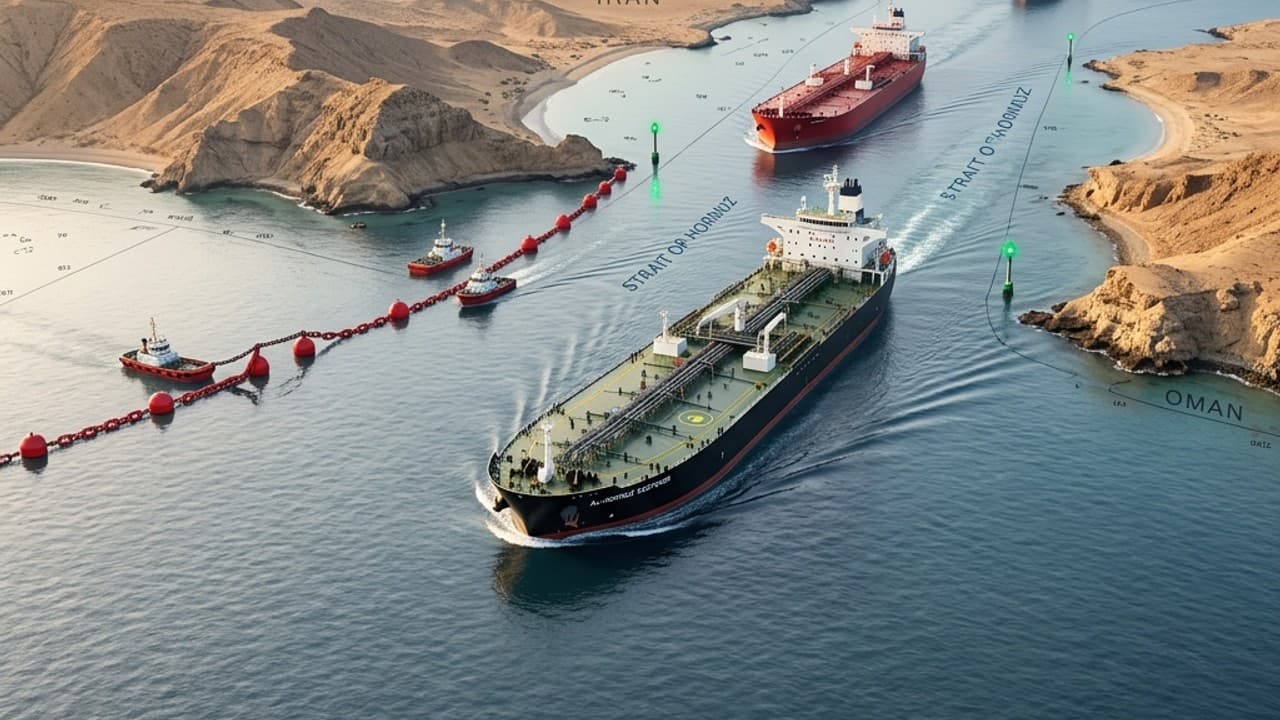
Trump Declares Iran Nuclear Deal Largely Done, Hormuz to Reopen
United States President Donald Trump announced on Sunday that a peace deal with Iran has been 'largely negotiated,' adding that the Strait of Hormuz — one of the world's most strategically critical maritime chokepoints — would reopen as part of the arrangement. The declaration, if confirmed, would represent one of the most consequential diplomatic breakthroughs in Middle Eastern geopolitics in decades.
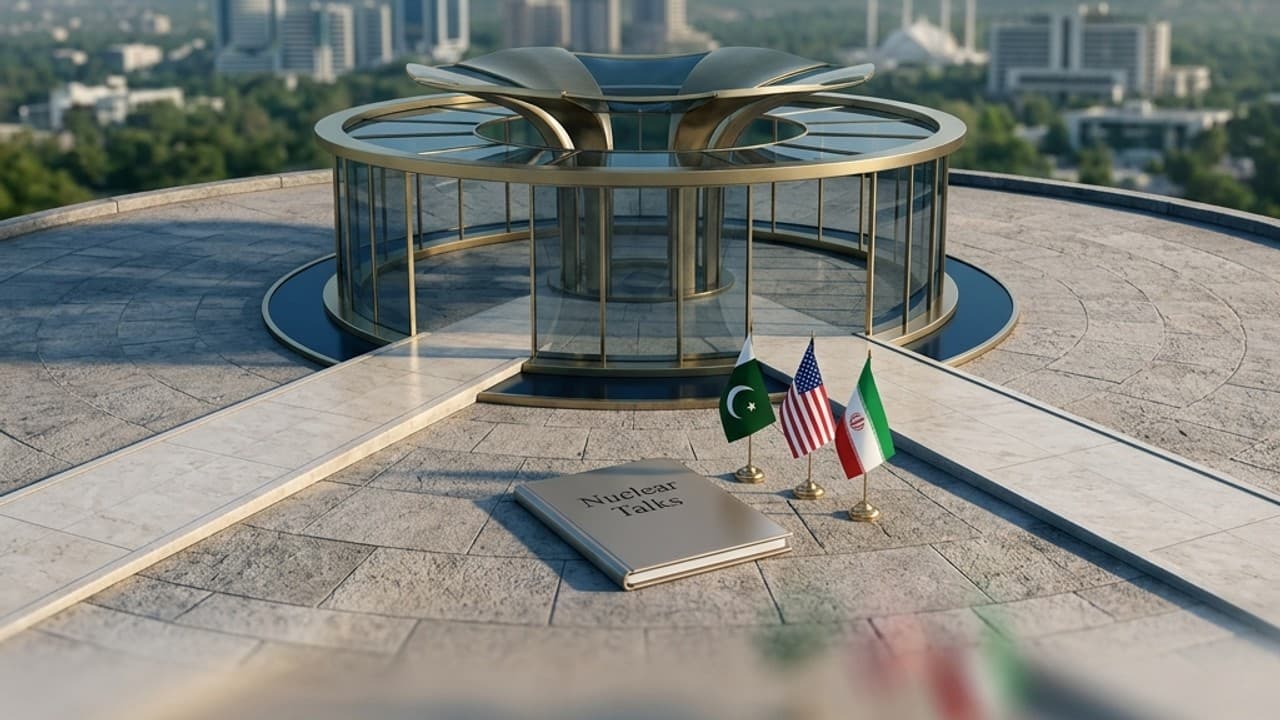
Pakistan Hopes to Host US-Iran Nuclear Talks Very Soon
Prime Minister Shehbaz Sharif has expressed confidence that Pakistan will host the next round of US-Iran nuclear negotiations 'very soon', as former US President Donald Trump described a prospective deal as 'largely negotiated'. The remarks signal a significant diplomatic breakthrough in which Pakistan has positioned itself as a critical facilitator between Washington and Tehran.
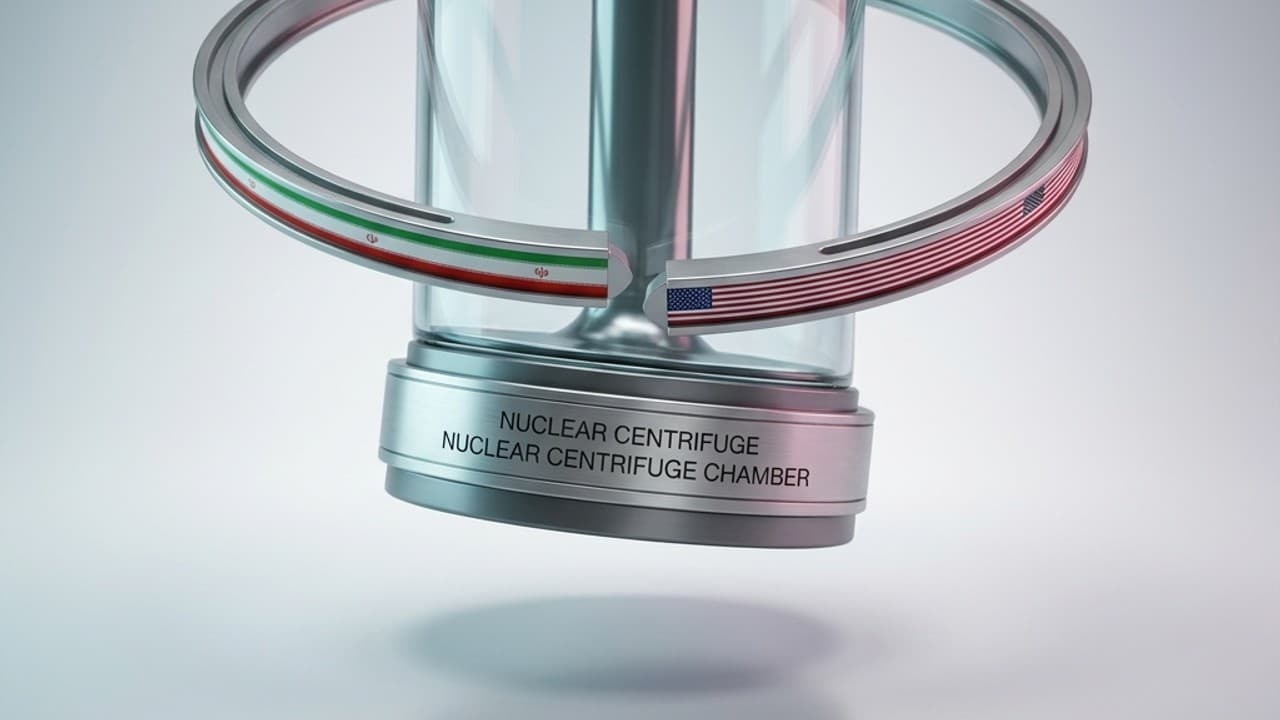
Iran and US Signal Possible Nuclear Deal Breakthrough After Talks
Iran and the United States have both signalled that negotiations over Tehran's nuclear programme may be nearing a critical juncture, with officials on both sides describing the possibility of a breakthrough as the 84-day conflict approaches a potential resolution. Donald Trump stated publicly that a deal with Iran was largely negotiated, the most direct indication yet from Washington that diplomatic progress had moved substantially beyond preliminary frameworks.
US and Iran Report Meaningful Progress in War-Ending Negotiations
The United States and Iran have both reported meaningful progress in ongoing diplomatic talks aimed at ending their active military conflict, raising cautious hopes that a negotiated ceasefire or broader settlement may be within reach. Both sides acknowledged forward movement in negotiations, though no formal agreement has been announced.
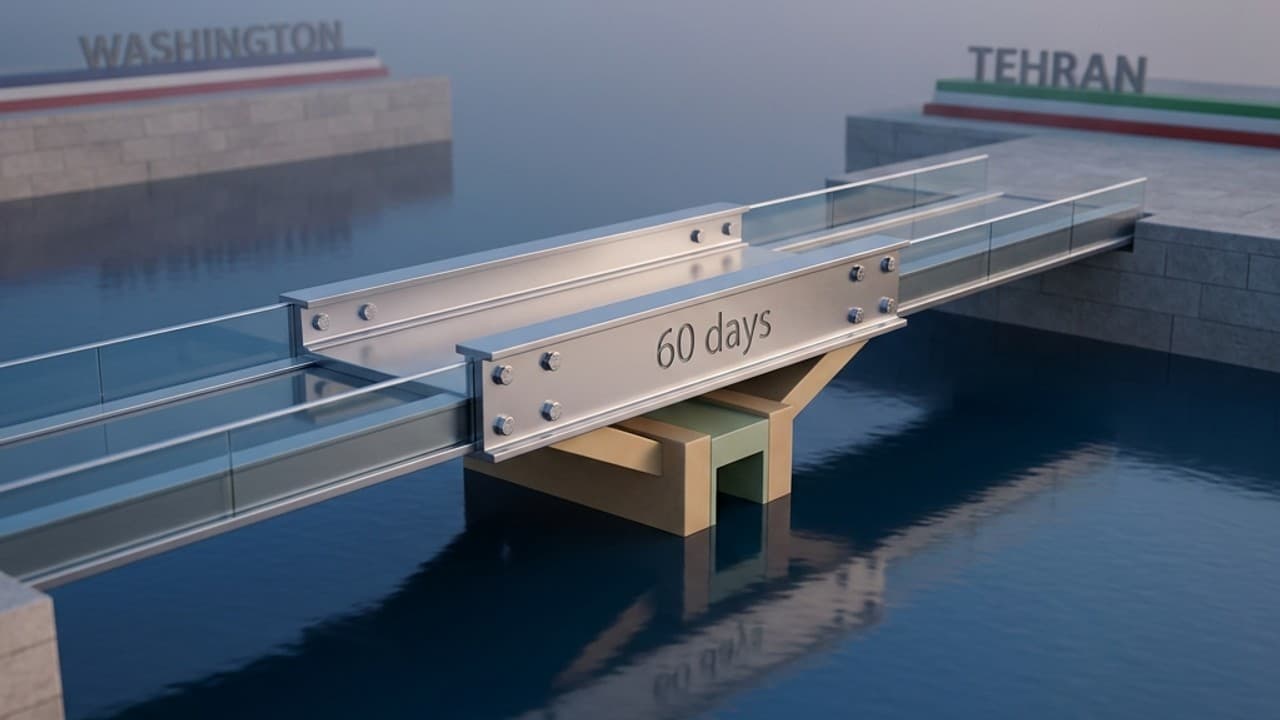
US and Iran Near 60-Day Ceasefire Extension, Mediators Confirm
The United States and Iran are reported to be close to agreeing on a 60-day extension of their existing ceasefire arrangement, according to mediators cited by the Financial Times. The development, if formalised, would represent a significant stabilisation of one of the world's most volatile diplomatic flashpoints and buy additional time for broader nuclear and regional security negotiations.