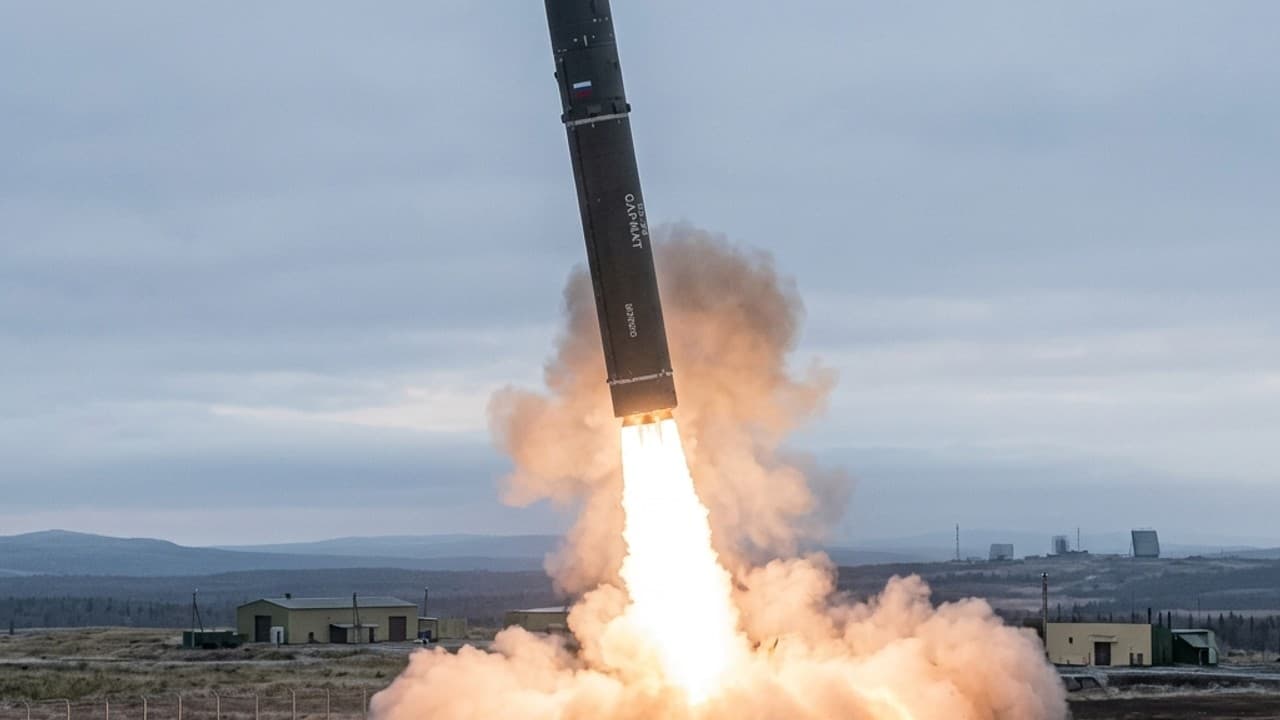
Putin Hails Sarmat Nuclear Missile Test as World's Most Powerful
Russian President Vladimir Putin on Wednesday praised the successful test launch of the country's new RS-28 Sarmat intercontinental ballistic missile, describing it as the most powerful nuclear-capable weapon in existence. The test marks a significant escalation in Russia's strategic nuclear posturing at a time of persistent geopolitical tension.
The Sarmat, a liquid-fuelled ICBM designed to carry multiple independently targetable warheads, is considered by Moscow a cornerstone of its next-generation nuclear deterrent. Putin's public endorsement of the test was immediate and emphatic, framing the launch as a demonstration of Russian technological and military superiority.
Western defence analysts have closely monitored the Sarmat programme, noting its capacity to evade existing missile defence systems due to its trajectory and payload versatility. The test is likely to heighten alarm among NATO member states already on elevated alert over Russia's military activities.
The announcement comes amid continued international pressure on Moscow over its conduct in ongoing conflicts and adds a new dimension of strategic signalling to already fraught global security dynamics. Arms control advocates have condemned the test as provocative and destabilising to the broader nuclear order.
Similar Stories
Background and related coverage on this story.
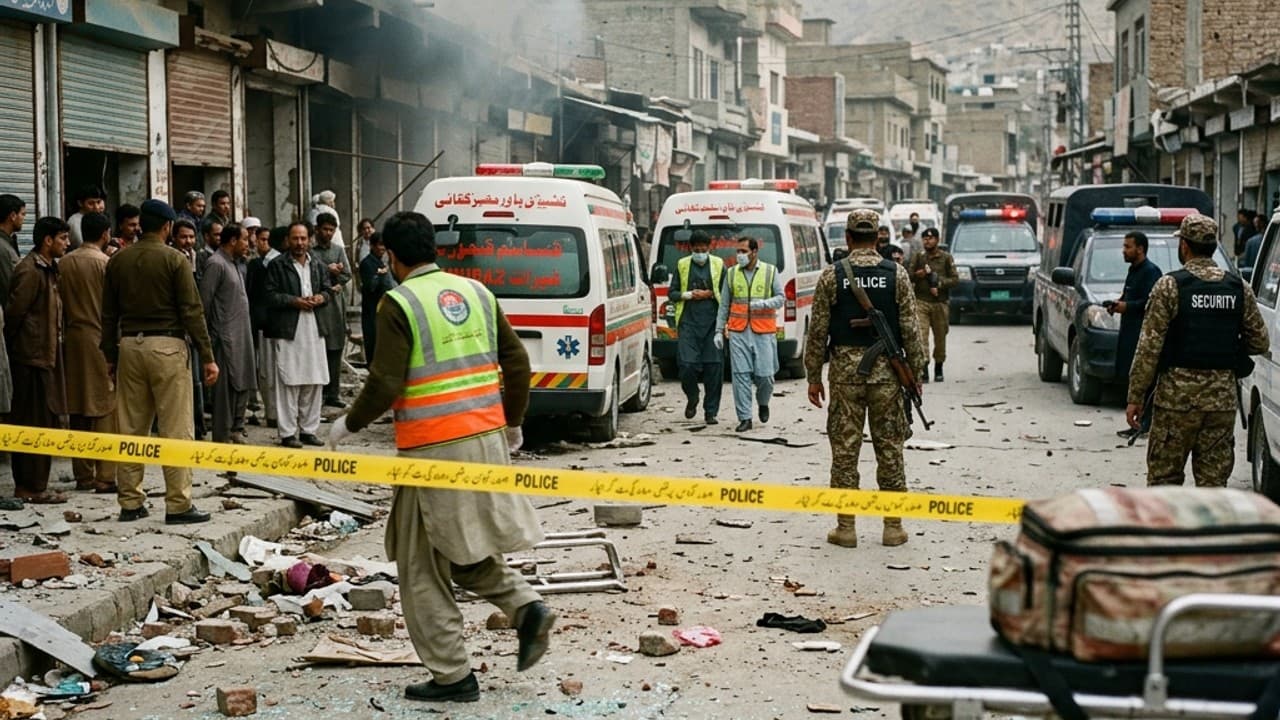
Wave of Terrorist Attacks Kills 23 Across Khyber Pakhtunkhwa
A coordinated wave of terrorist attacks struck multiple locations across Khyber Pakhtunkhwa on Wednesday, leaving at least 23 people dead and dozens more injured in one of the province's deadliest mass-casualty events in recent months. The attacks, occurring in rapid succession, have triggered emergency responses from provincial and federal security authorities.
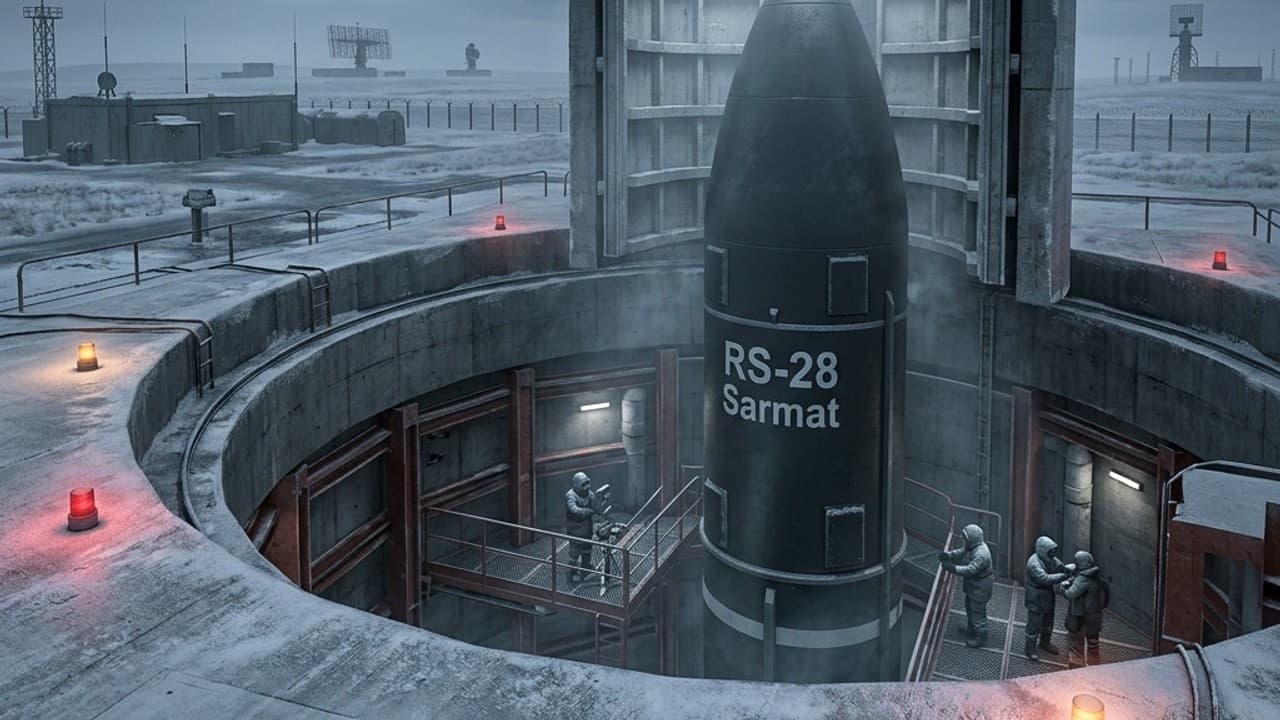
Putin Announces Russia Will Deploy New Sarmat Nuclear Missile in 2026
Russian President Vladimir Putin has declared that Russia will deploy its new Sarmat intercontinental ballistic missile during the current year, in a statement that carries significant implications for global nuclear deterrence architecture. The Sarmat, designated RS-28, is among the world's most capable nuclear delivery systems and represents Moscow's most advanced strategic weapon in its arsenal.
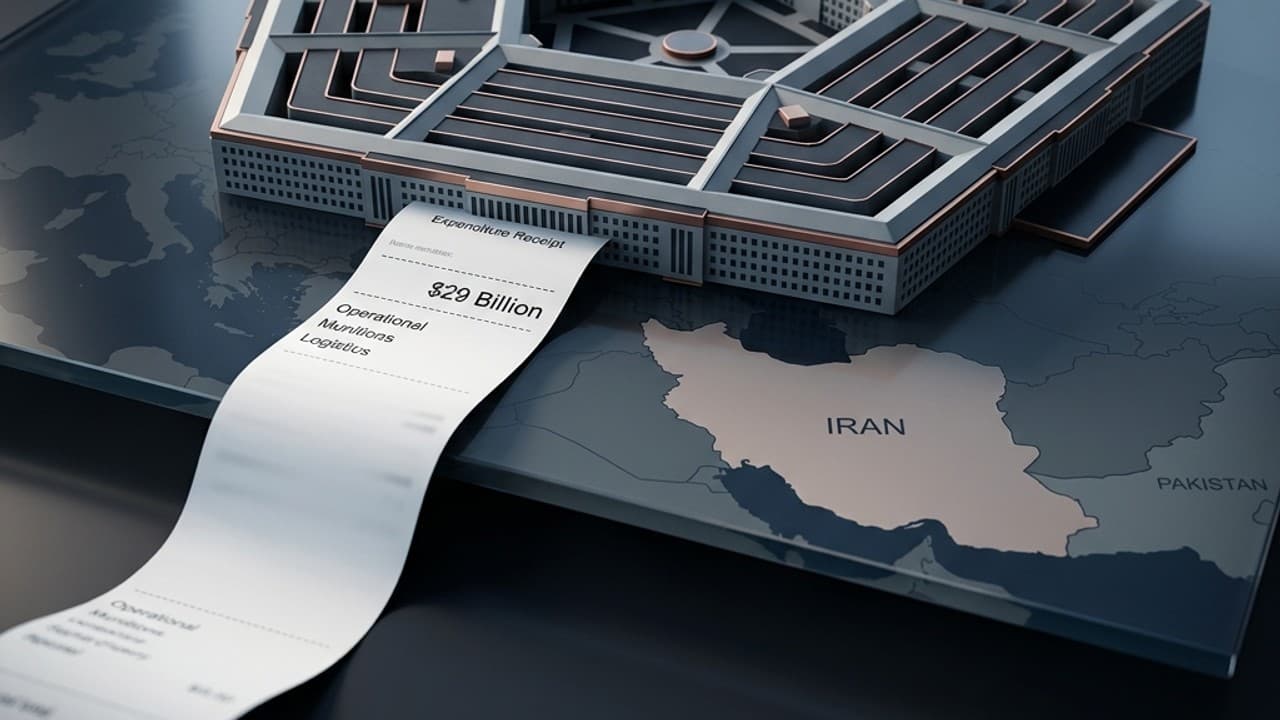
US War in Iran Has Cost $29 Billion, Pentagon Confirms
The United States Pentagon has confirmed that American military operations in Iran have cost $29 billion to date, providing the first official quantification of the financial burden of the conflict. The disclosure marks a significant moment of institutional transparency and is expected to intensify domestic debate in Washington over the fiscal and strategic sustainability of the war.
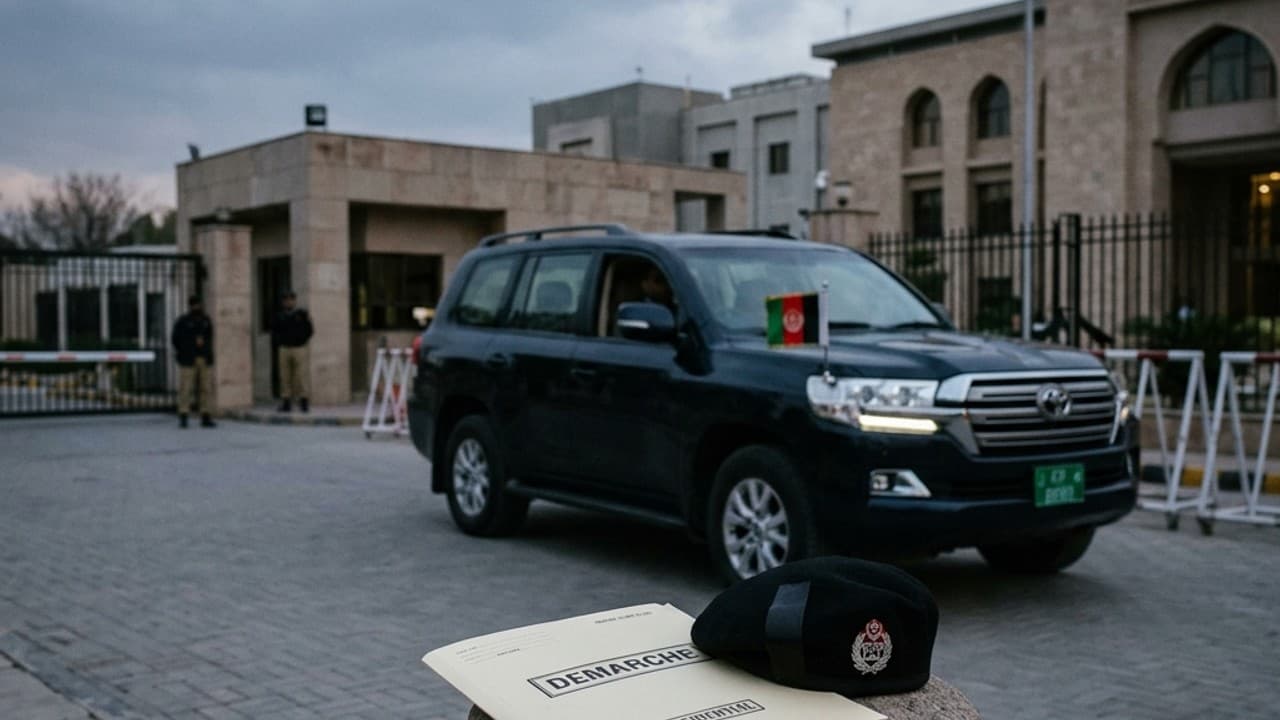
Pakistan summons Afghan envoy after 15 officers killed in Bannu suicide attack
Pakistan on Monday issued a formal demarche to Afghanistan and summoned the Afghan Chargé d'Affaires following a devastating suicide attack in Bannu, Khyber Pakhtunkhwa, that killed at least 15 police personnel. The Foreign Office held Kabul accountable for allowing militant networks to operate from Afghan soil, marking one of the sharpest diplomatic rebukes Pakistan has issued to Afghanistan in recent months.
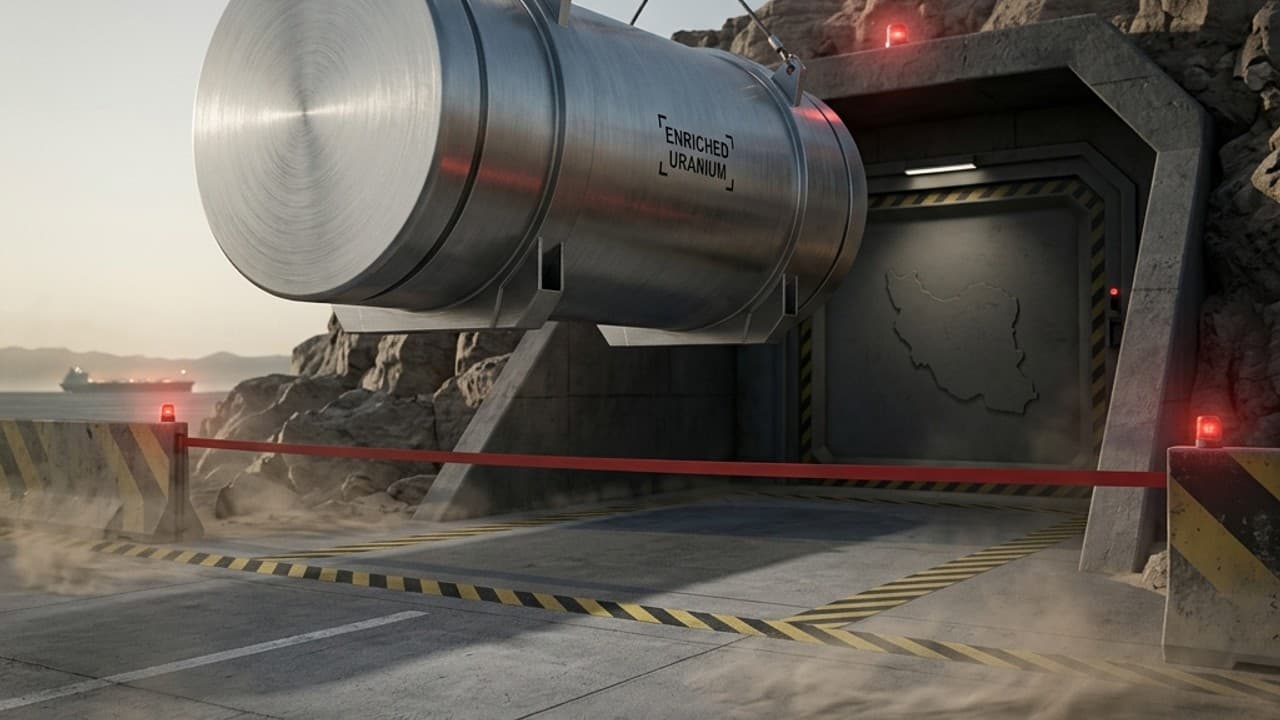
Netanyahu Warns Iran War Not Over, Demands Uranium Removal
Israeli Prime Minister Benjamin Netanyahu declared Sunday that the war with Iran is far from over, insisting that Iran's enriched uranium must be removed as a non-negotiable condition for any resolution to the ongoing conflict. The statement marks a significant hardening of Israel's public position and signals that diplomatic off-ramps remain narrow despite international pressure for de-escalation.
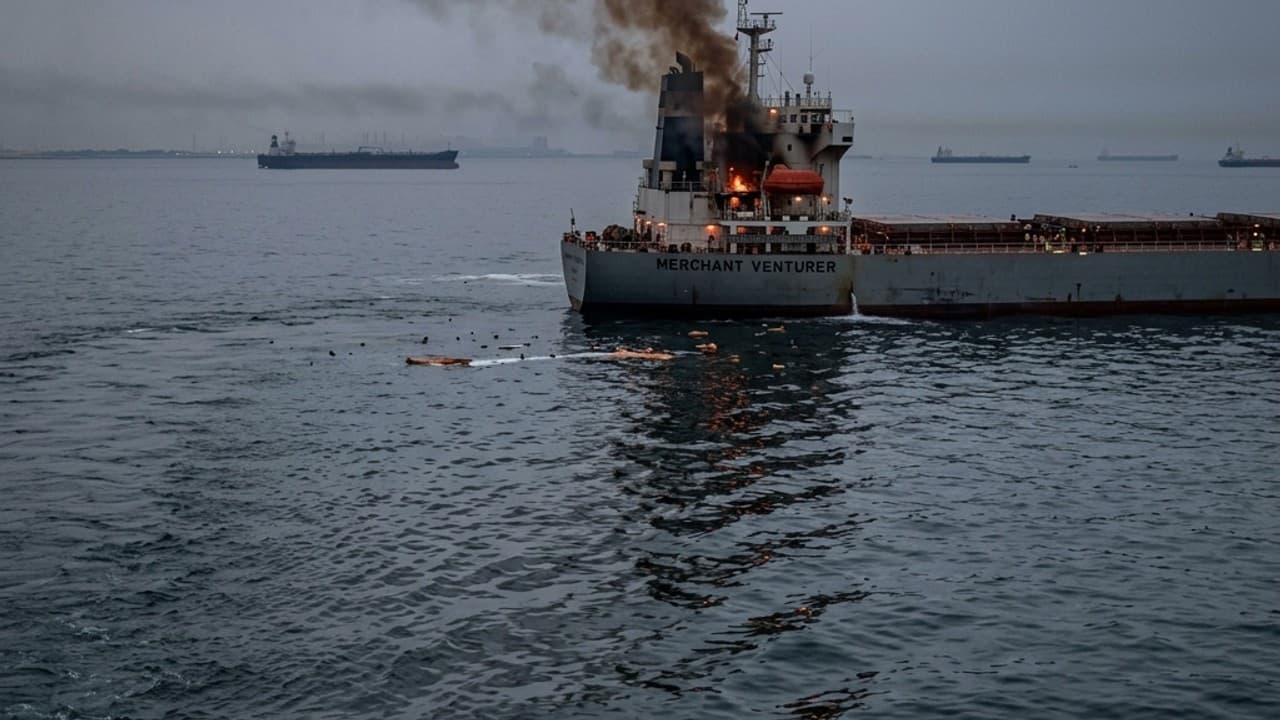
Drone Strike Hits Ship Near Qatar; South Korean Vessel Also Struck in Hormuz
A ship was struck by a drone off the coast of Qatar, according to that country's defence ministry, while South Korea separately confirmed that an unidentified aircraft hit a cargo vessel in the Strait of Hormuz in what appears to be a coordinated or concurrent escalation of maritime threats in the Persian Gulf region. The back-to-back incidents mark a significant deterioration in maritime security across two of the world's most strategically critical waterways.