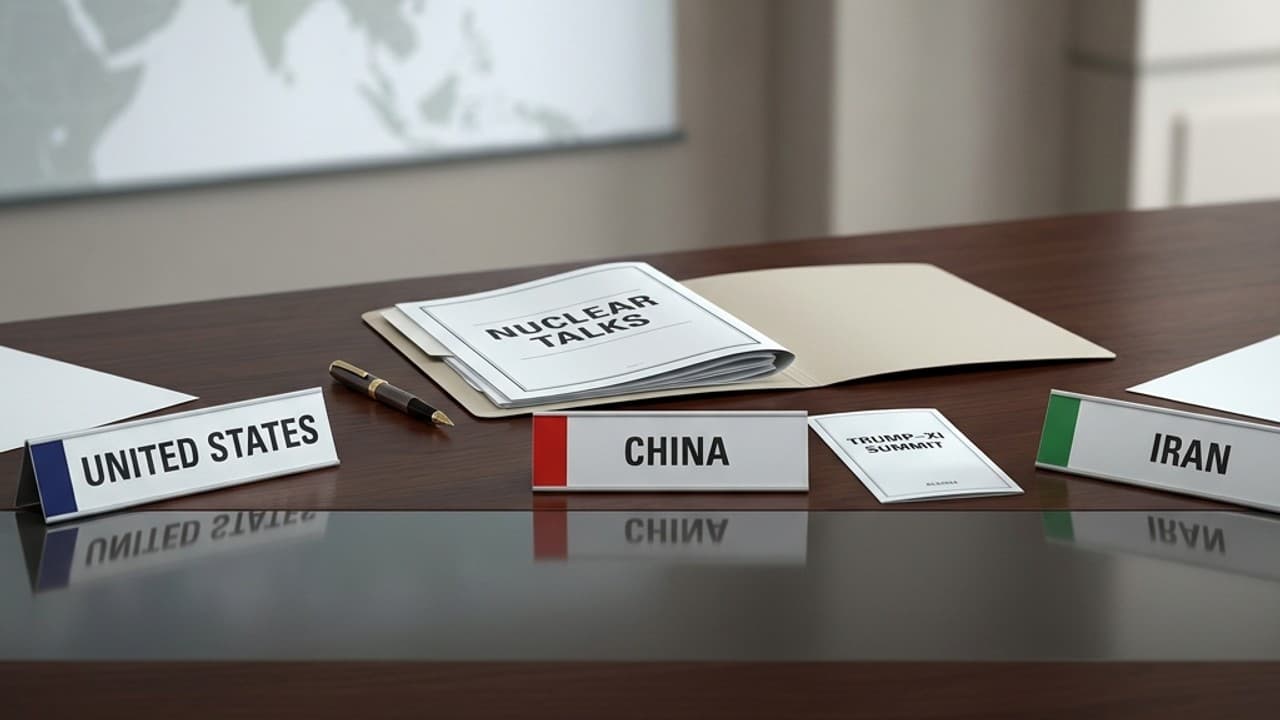
Rubio Says US Will Press China for Active Role in Iran Nuclear Talks
United States Secretary of State Marco Rubio has stated that Washington will press Beijing to assume a more active and constructive role in ongoing negotiations over Iran's nuclear programme, signalling that China's engagement will be a central agenda item ahead of the forthcoming Trump-Xi summit.
Rubio's remarks represent a significant diplomatic signal, suggesting the administration intends to leverage the high-level bilateral meeting to secure Chinese cooperation on one of the most consequential security challenges currently facing the international community.
The US has maintained that China, as a permanent member of the United Nations Security Council and Iran's largest trading partner, holds unique leverage over Tehran and must exercise it more forcefully if a durable diplomatic resolution to the nuclear standoff is to be achieved.
The disclosure ahead of the Trump-Xi summit indicates that Iran will not be treated as a peripheral issue in Sino-American dialogue, but rather as a central test of whether the two major powers can align on shared non-proliferation objectives despite their broader strategic rivalry.
Similar Stories
Background and related coverage on this story.
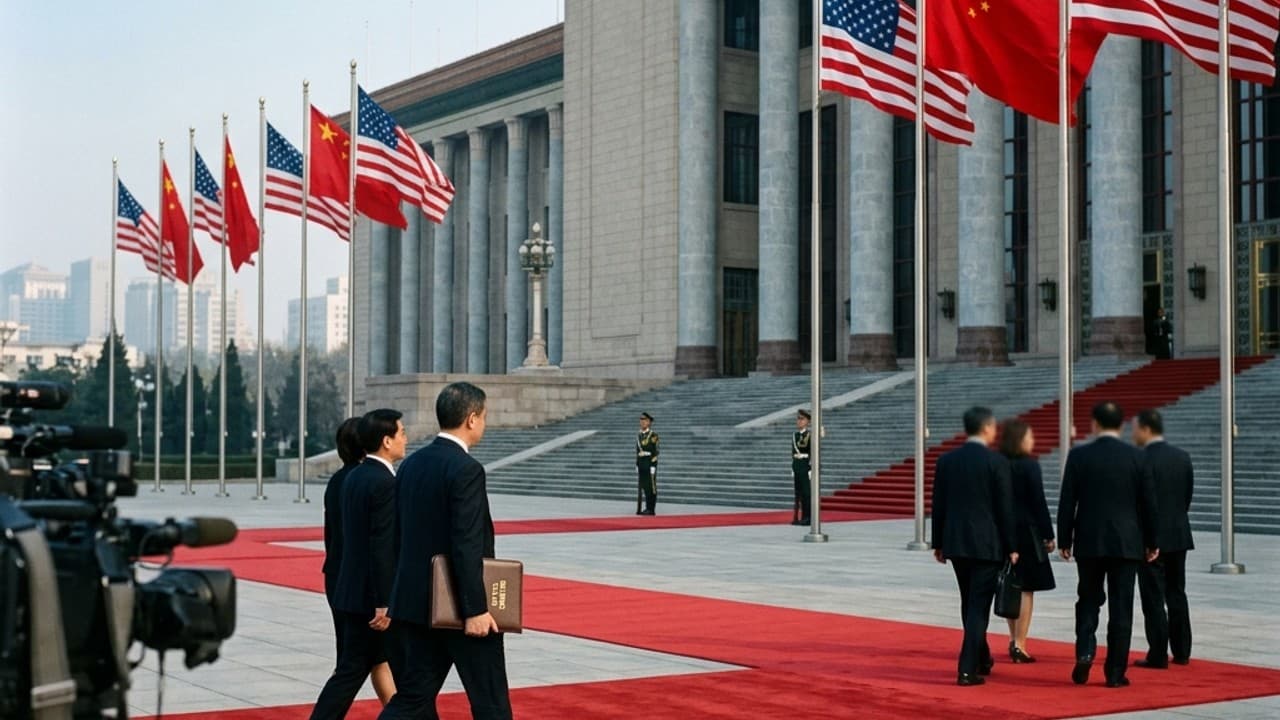
Xi and Trump Open High-Stakes Beijing Talks on Trade and Rivalry
Chinese President Xi Jinping opened high-stakes bilateral talks with US President Donald Trump in Beijing on Thursday, calling for the two powers to be 'partners not rivals' as the leaders squared off over trade, Taiwan, and the deepening structural competition between the world's two largest economies. The summit, held against a backdrop of intensifying strategic rivalry, marks one of the most consequential face-to-face encounters between Beijing and Washington in recent years.
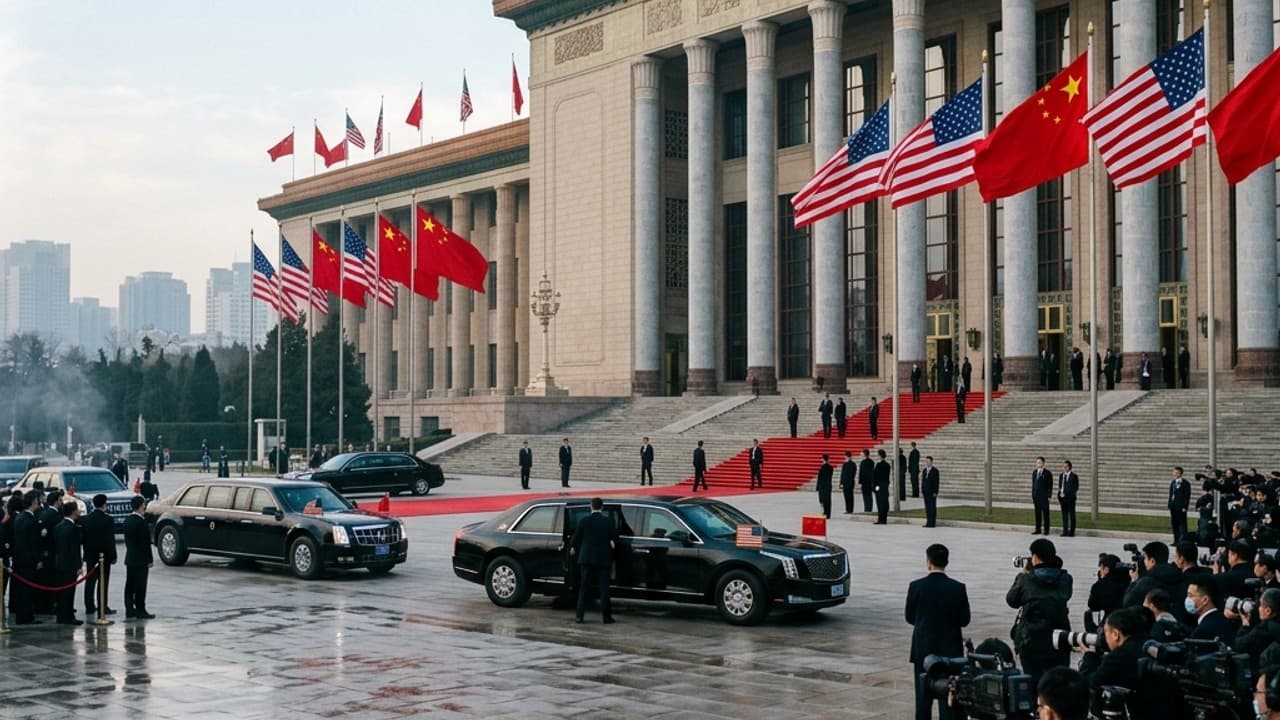
Trump and Xi Hold High-Stakes Summit in Beijing
United States President Donald Trump and Chinese President Xi Jinping convened for high-stakes bilateral talks in Beijing on Thursday, marking a significant diplomatic engagement between the world's two largest economies. The summit comes amid persistent tensions over trade, technology, and regional security that have defined the relationship between Washington and Beijing in recent years.
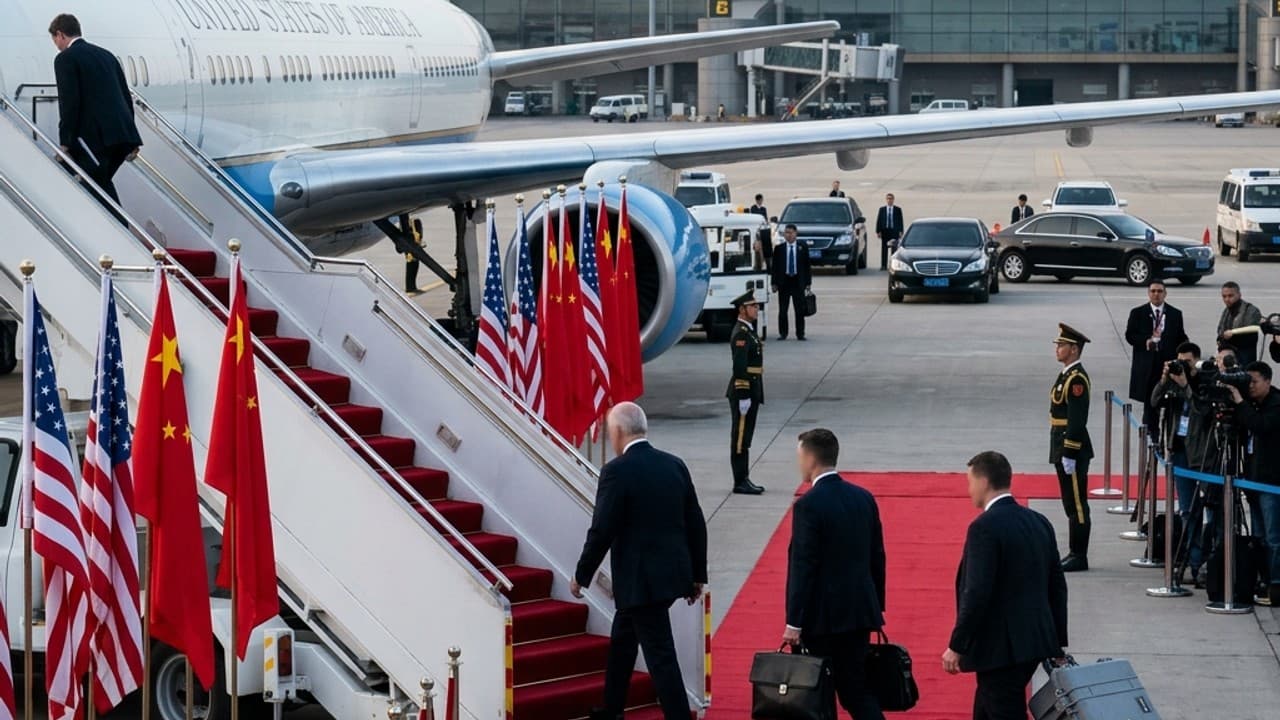
Trump Arrives in Beijing for High-Stakes Summit with Xi
United States President Donald Trump has arrived in Beijing for a high-stakes summit with Chinese President Xi Jinping, marking one of the most consequential bilateral meetings in recent years. The visit comes amid ongoing trade tensions between the world's two largest economies, with both sides expected to weigh significant tariff reductions as part of a broader managed trade framework.
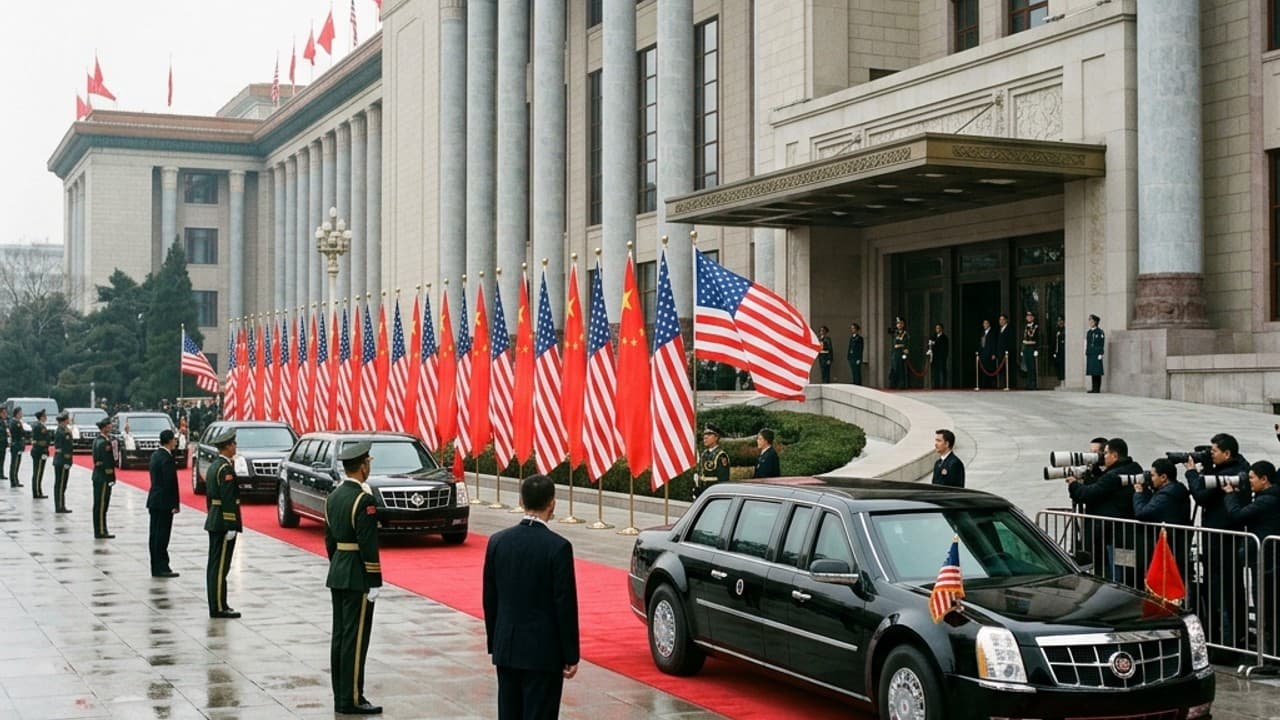
Trump Travels to Beijing for High-Stakes Talks With Xi Jinping
United States President Donald Trump is travelling to Beijing for a summit with Chinese President Xi Jinping in what represents the most consequential bilateral engagement between the world's two largest economies in years. The talks are expected to cover a sweeping agenda including trade dispute resolution, Taiwan's political status, and a range of technology and security flashpoints that have pushed US-China relations to a breaking point.
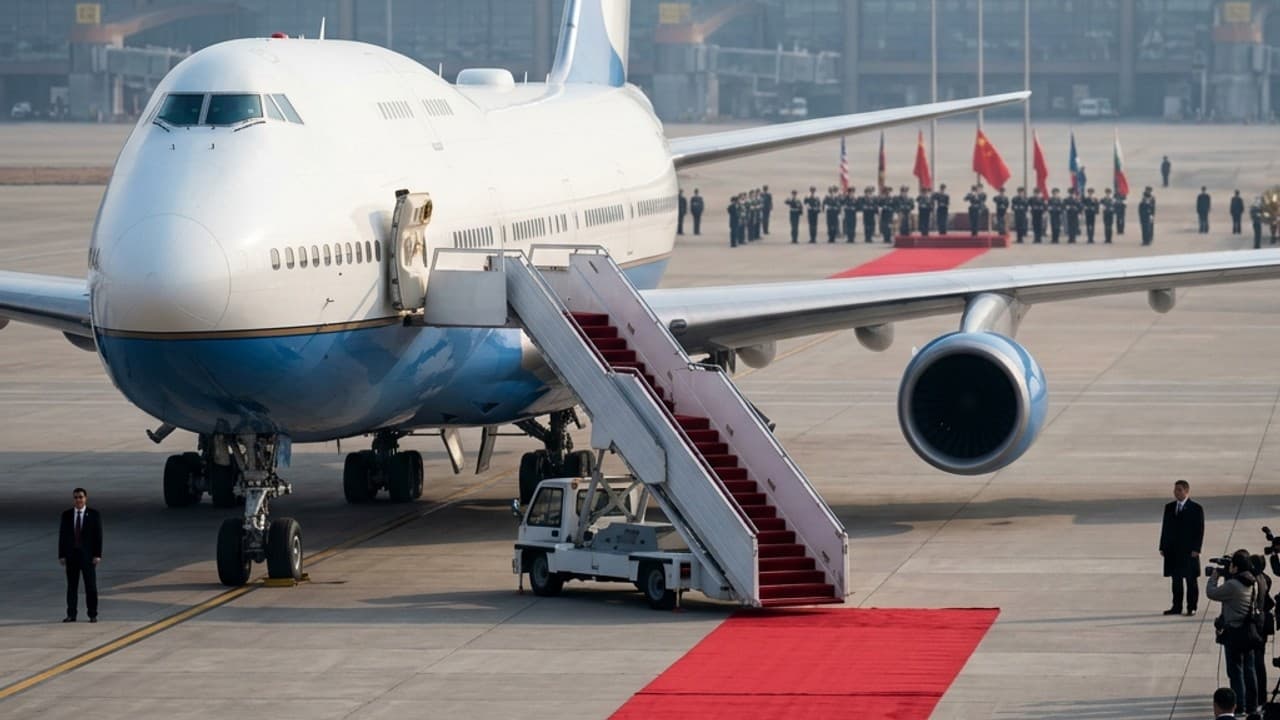
Trump Arrives in China for High-Stakes State Visit
United States President Donald Trump is due in China on Wednesday for a landmark state visit that carries enormous geopolitical and economic weight, arriving at a moment of acute tension between the world's two largest economies. The visit marks a rare instance of direct high-level engagement between Washington and Beijing amid ongoing trade disputes, technology restrictions, and competing strategic ambitions in the Indo-Pacific region.
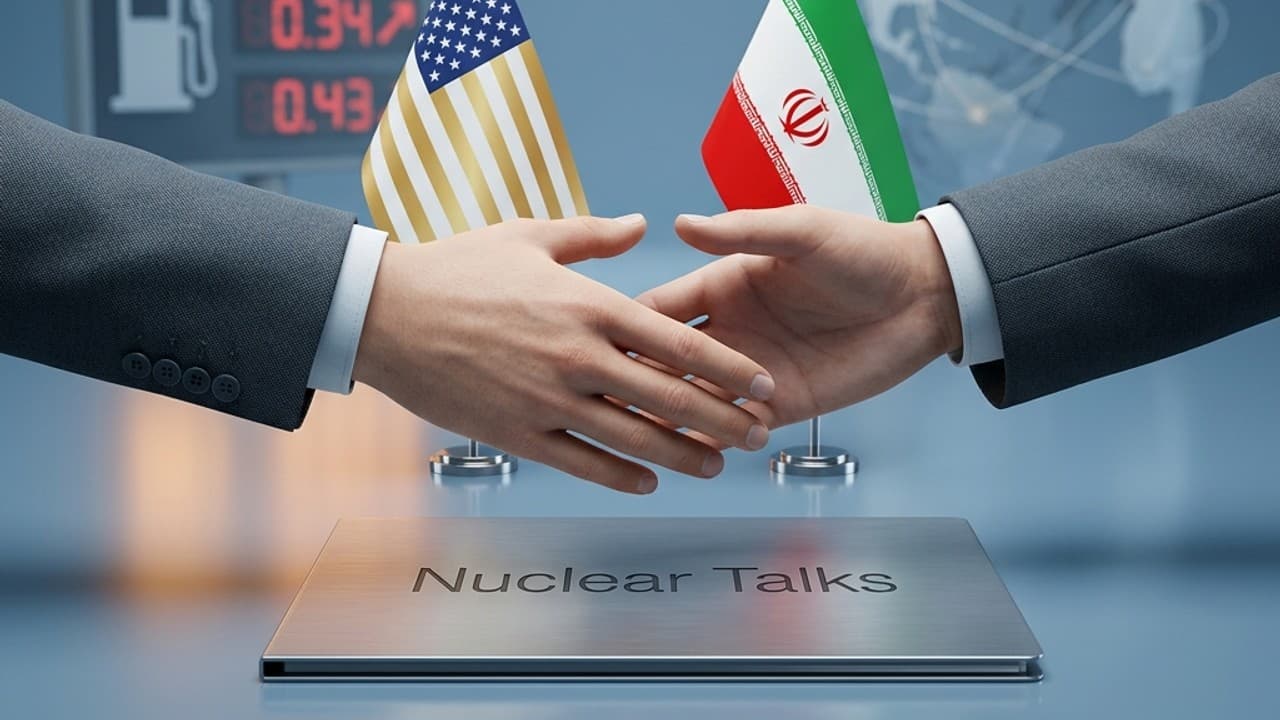
Vance Says US Making Tangible Progress in Iran Nuclear Talks
United States Vice President JD Vance has stated that Washington is making meaningful progress in ongoing diplomatic negotiations with Iran, signalling a potential shift in the fraught bilateral relationship that has been complicated by active military tensions between the two nations. Vance's remarks come as the US-Iran conflict continues to exert pressure on global energy markets, with oil prices elevated and lawmakers in Washington debating emergency fiscal relief measures including a gas tax holiday to cushion domestic consumers from the economic fallout.