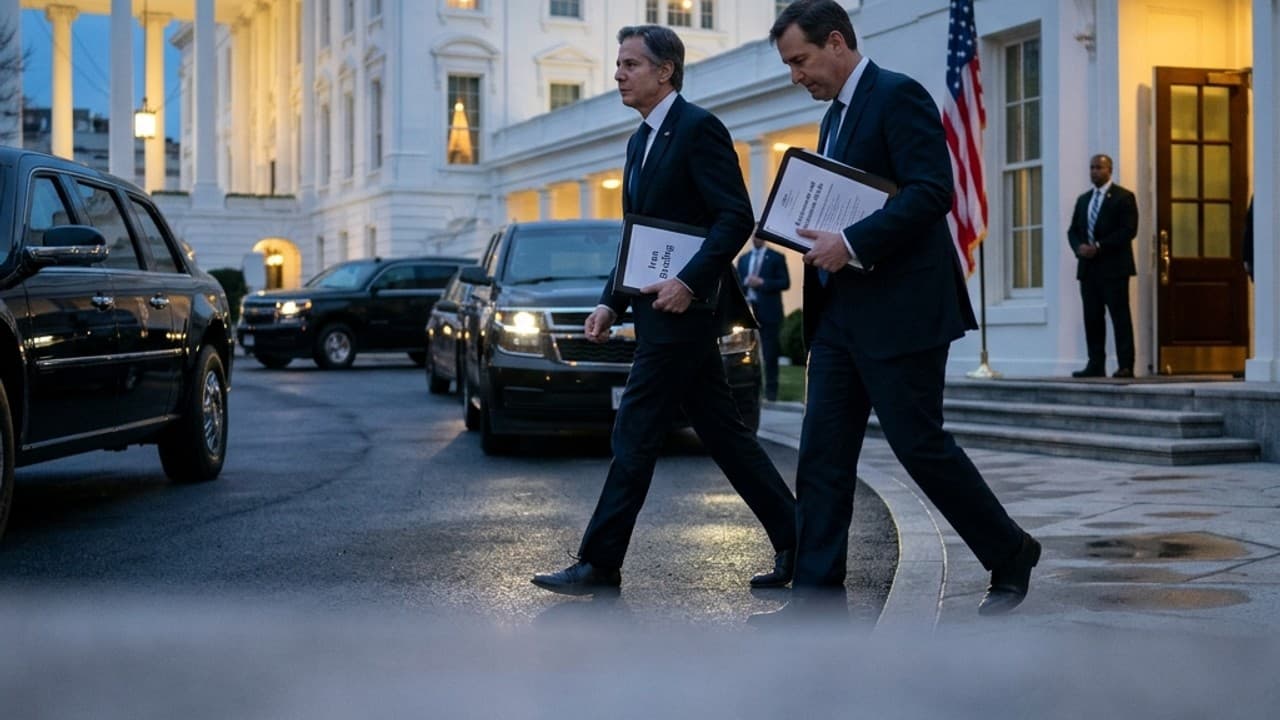
Trump convenes full cabinet as Iran nuclear talks stall
US President Donald Trump has convened a full cabinet meeting as negotiations with Iran over its nuclear programme encounter a significant slowdown, signalling growing frustration within the administration over the pace and trajectory of diplomatic engagement.
The decision to summon all cabinet heads simultaneously is widely interpreted as a deliberate show of institutional resolve, intended both to coordinate policy options and to project pressure on Tehran at a moment when talks have reportedly hit a deadlock over core terms.
Senior administration officials have not publicly disclosed the agenda, but the timing — coming amid stalled back-channel dialogue — strongly suggests that the White House is reassessing its diplomatic posture and weighing contingency measures should talks collapse entirely.
The Iranian side has maintained firm positions on uranium enrichment thresholds and sanctions relief sequencing, areas where American negotiators have been unwilling to make unilateral concessions. The resulting impasse has elevated concern among regional partners and allied governments monitoring the situation closely.
The cabinet meeting outcome is expected to shape the next phase of the American approach, with analysts noting that a formal policy pivot — whether toward renewed economic pressure or a hardened military posture — could have far-reaching consequences for regional stability across the Middle East.
Similar Stories
Background and related coverage on this story.
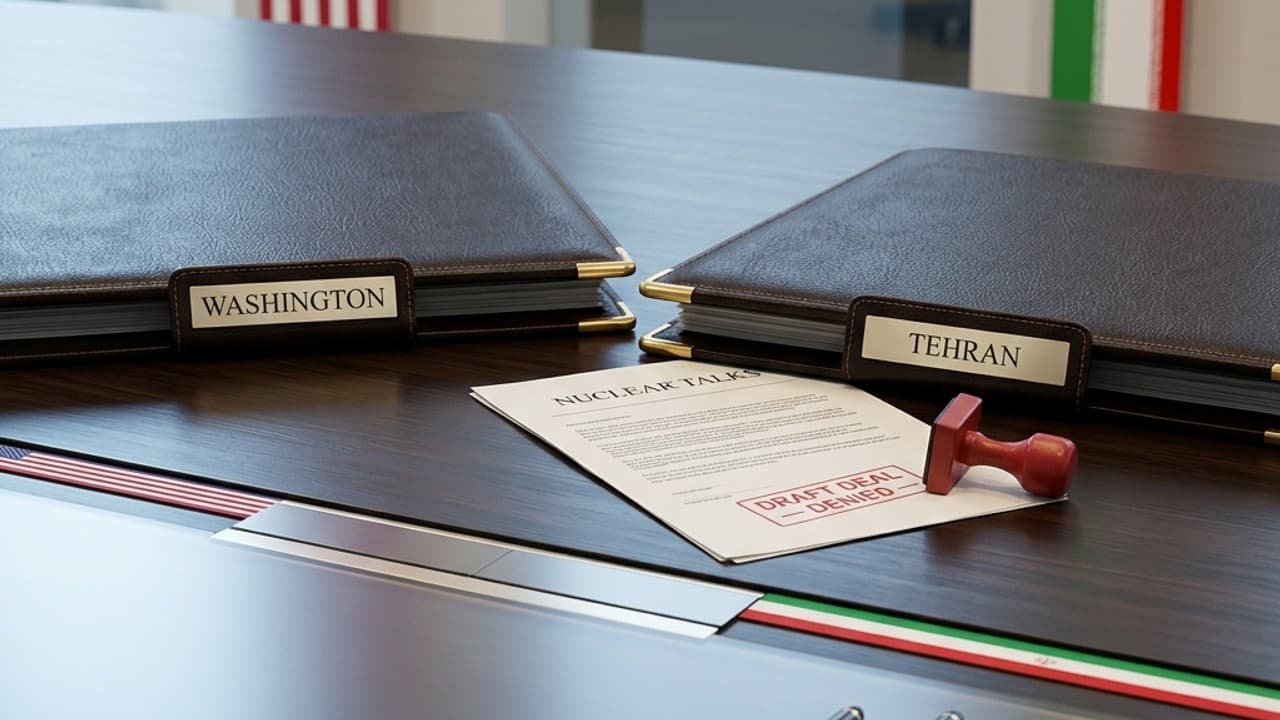
Trump Cabinet Signals Iran Nuclear Deal Progress Within Days
Senior members of the Trump administration expressed cautious optimism on Wednesday, signalling that a potential nuclear agreement with Iran could materialise within hours or days, as diplomatic talks entered a critical phase. Cabinet officials publicly indicated forward momentum in negotiations, raising expectations of a breakthrough in one of the most consequential diplomatic undertakings of the administration.
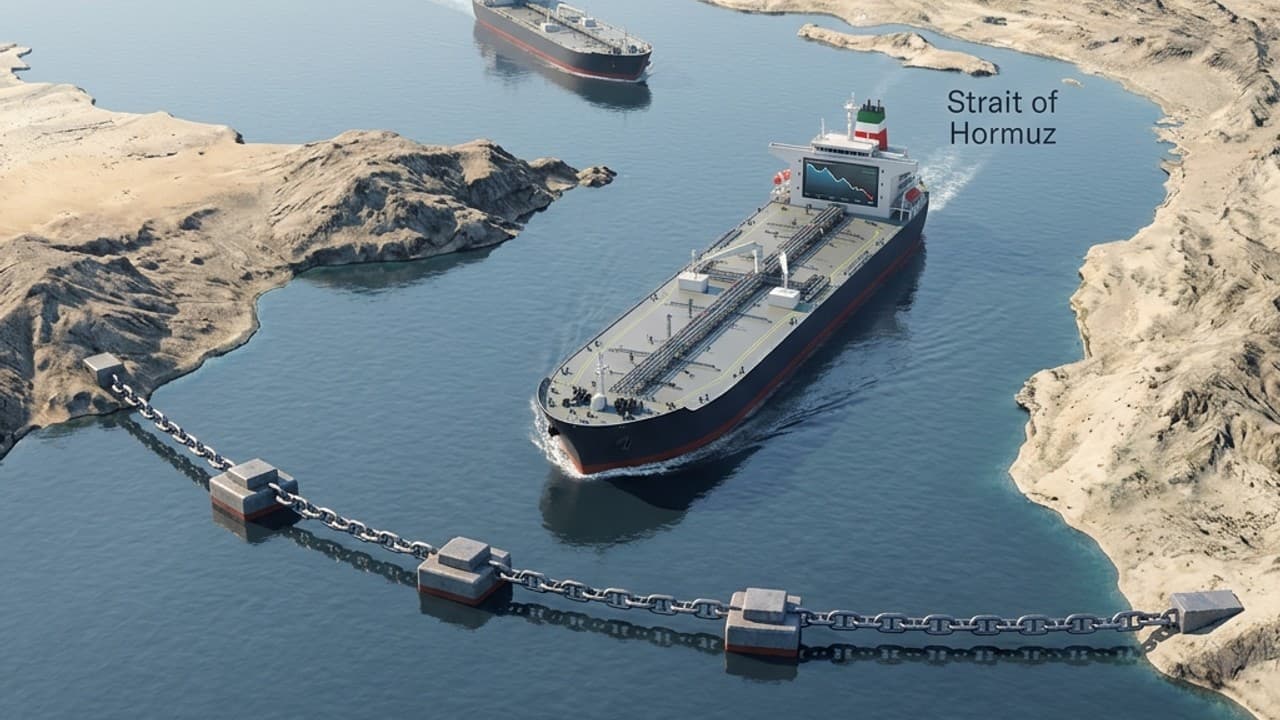
Iran Says Draft Nuclear Deal Would Reopen Strait of Hormuz Shipping
Iranian officials have stated that a draft agreement under negotiation with the United States would result in the reopening of the Strait of Hormuz to international shipping and the lifting of a naval blockade that has disrupted global energy flows. The disclosure represents the most substantive public signal yet of progress in the ongoing talks between Washington and Tehran.
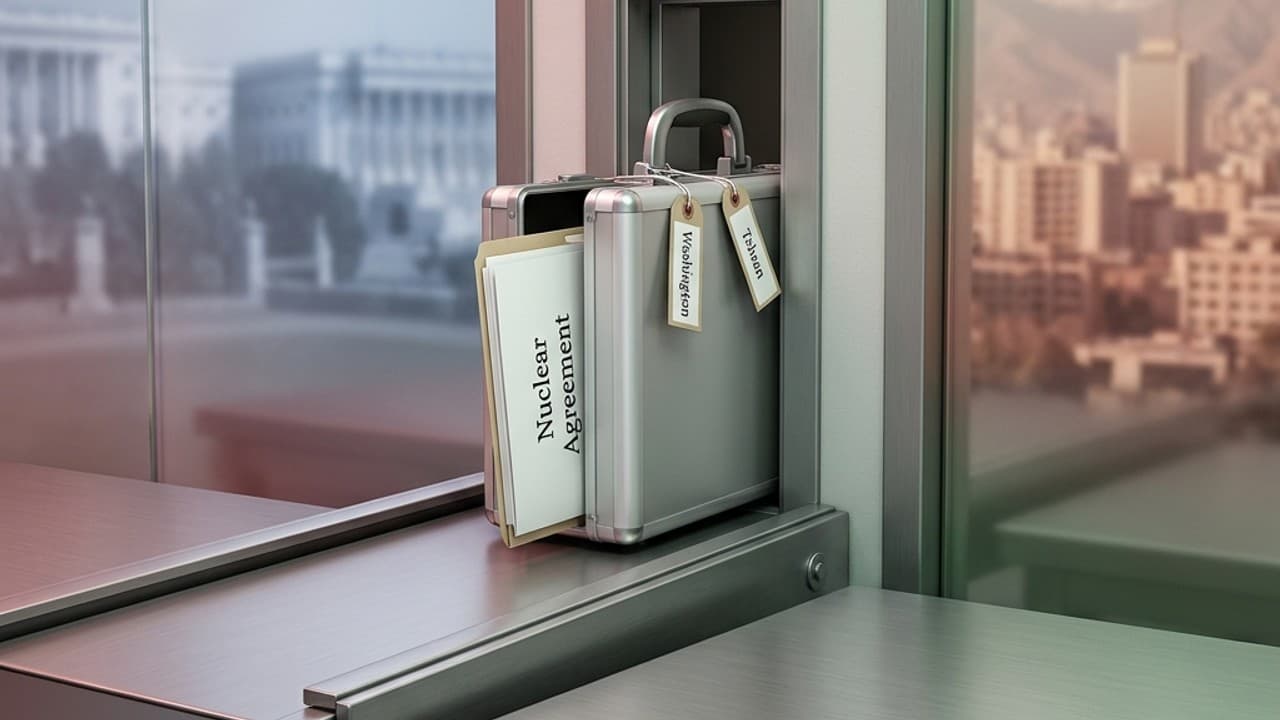
Mojtaba Khamenei to Sign US-Iran Nuclear Deal via Courier
Mojtaba Khamenei, son of Iran's Supreme Leader and a senior figure in the Islamic Revolutionary establishment, is reported to be the designated Iranian signatory on a prospective nuclear deal with the United States, with the signing to take place through an unprecedented courier-based arrangement rather than a direct diplomatic ceremony. The unusual format reflects the profound mutual distrust between Washington and Tehran, as well as security concerns on both sides that have made conventional face-to-face signing impractical.
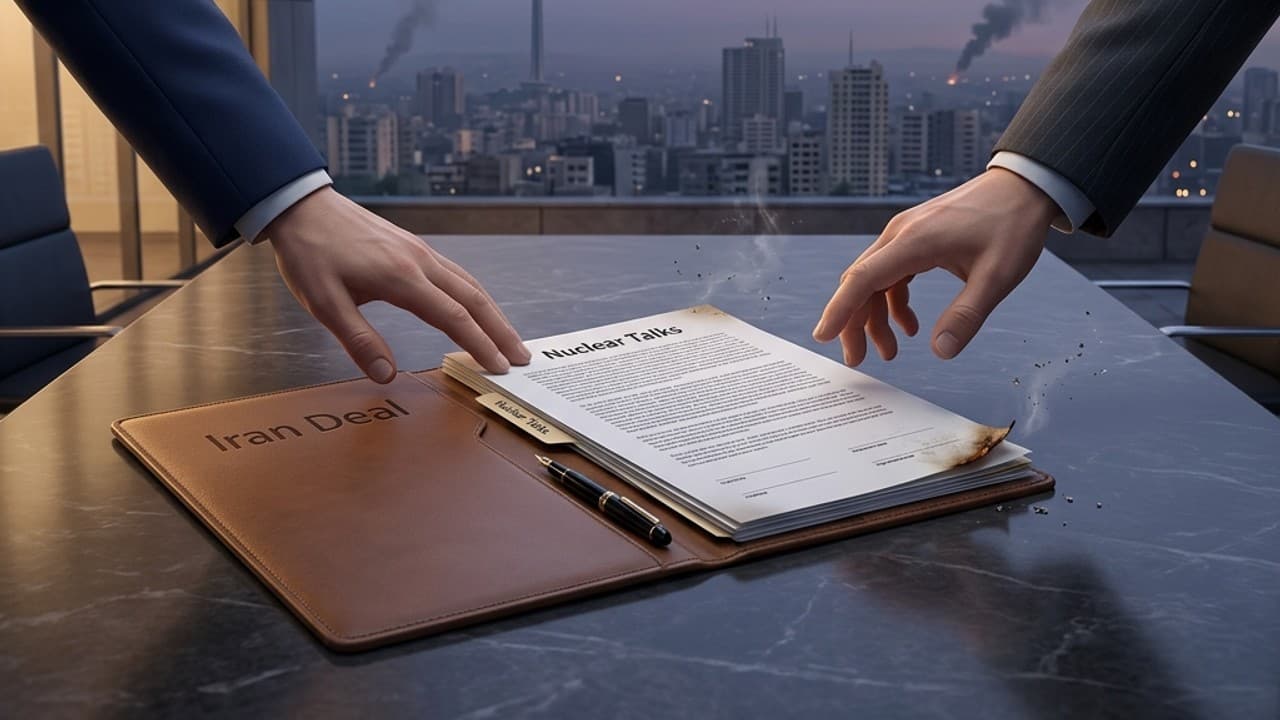
Rubio Says Iran Deal Days Away as US Strikes Continue
US Secretary of State Marco Rubio has stated that a deal with Iran could be reached within days, even as the United States launched fresh military strikes against Iranian targets. The simultaneous pursuit of diplomacy and military pressure represents the sharpest articulation yet of the Trump administration's dual-track Iran strategy, creating significant uncertainty over the direction and durability of any eventual agreement.
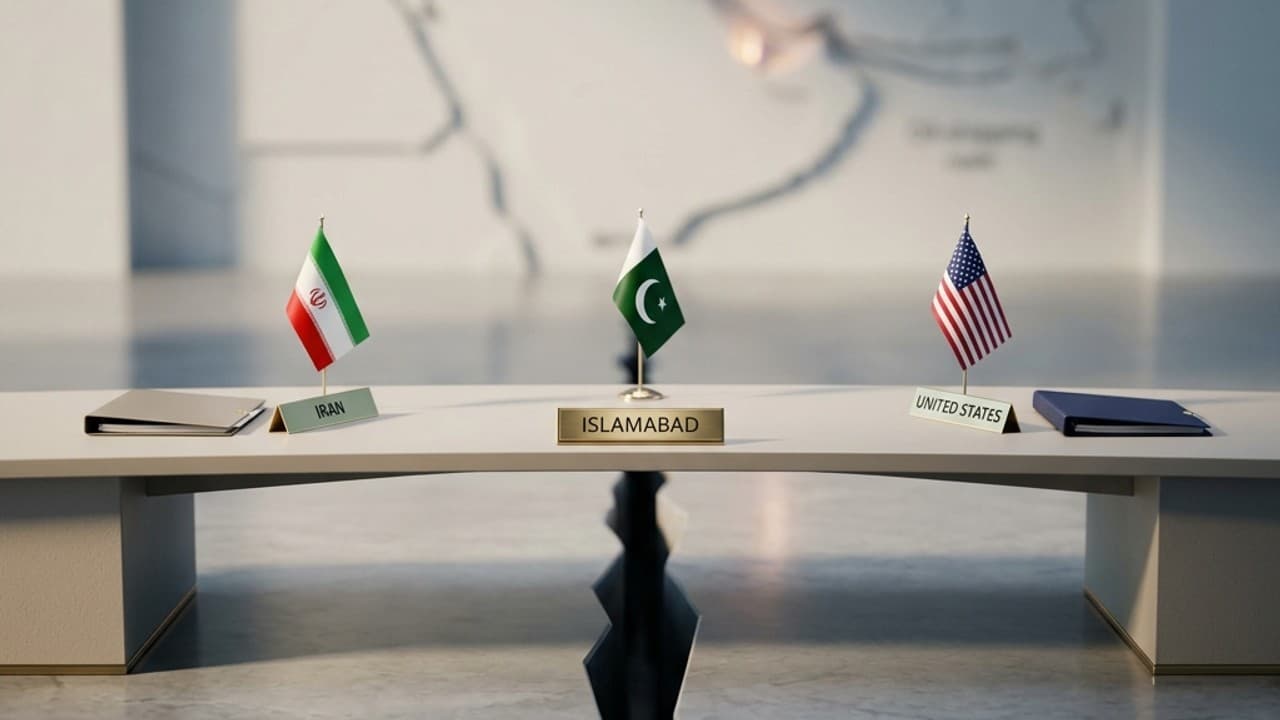
Iran and US Near Deal to End Ongoing Conflict
Iran and the United States are reported to be closing in on a diplomatic agreement that could bring an end to their ongoing armed confrontation, in what would constitute one of the most consequential geopolitical developments of the decade. Mediators and informed sources indicate that the broad parameters of a deal are taking shape, though final details remain under negotiation.
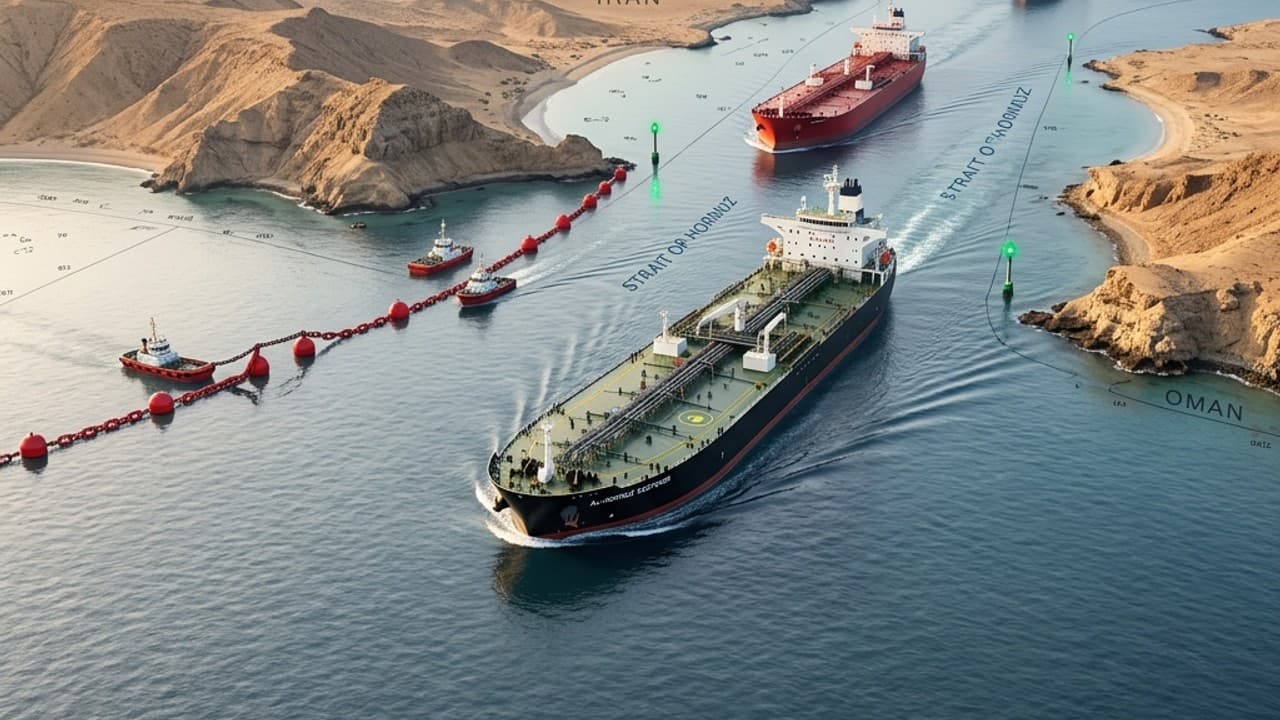
Trump Declares Iran Nuclear Deal Largely Done, Hormuz to Reopen
United States President Donald Trump announced on Sunday that a peace deal with Iran has been 'largely negotiated,' adding that the Strait of Hormuz — one of the world's most strategically critical maritime chokepoints — would reopen as part of the arrangement. The declaration, if confirmed, would represent one of the most consequential diplomatic breakthroughs in Middle Eastern geopolitics in decades.