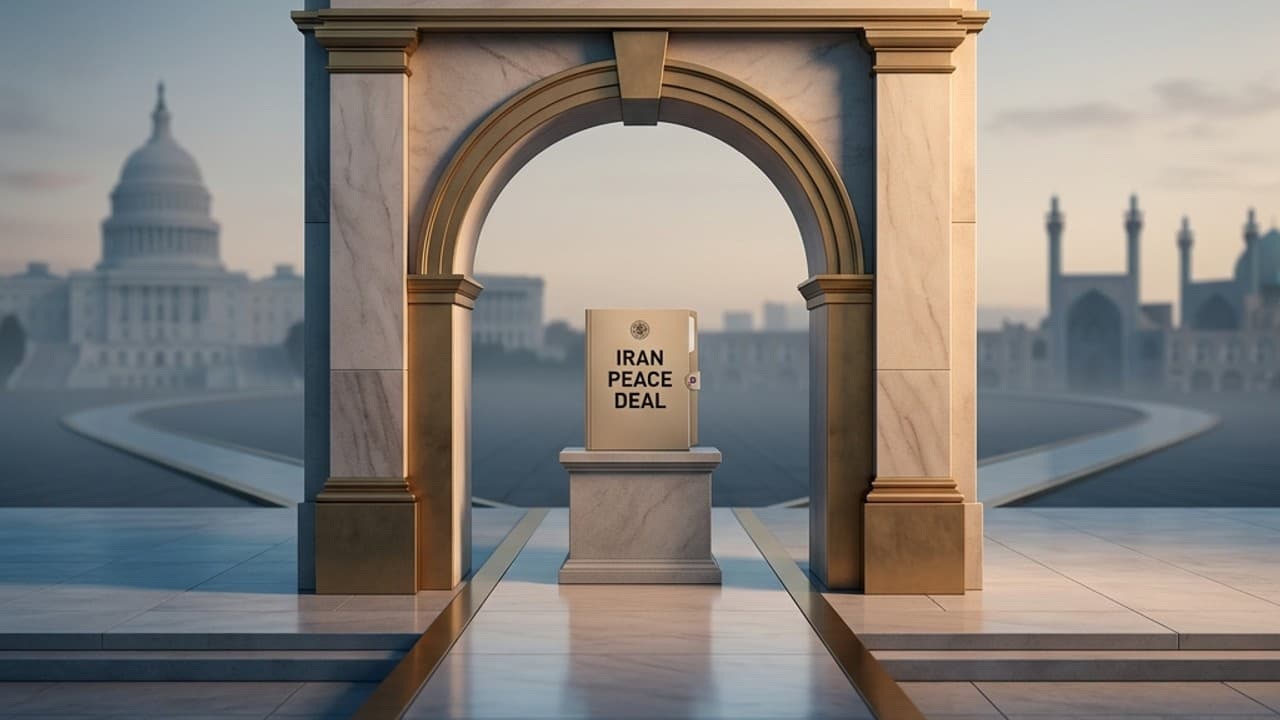
Trump links Iran peace deal to Abraham Accords expansion
US President Donald Trump has made widespread sign-up to the Abraham Accords a formal condition of any peace agreement with Iran, significantly raising the diplomatic stakes in ongoing nuclear and regional negotiations. The demand signals a sweeping expansion of Washington's peace architecture ambitions, tying the normalisation framework — originally conceived to broker Arab-Israeli ties — to the broader Iran file.
The move represents a sharp escalation of US diplomatic leverage, conditioning sanctions relief and conflict de-escalation on Tehran accepting a regional order it has long opposed. Iran, which does not recognise Israel, has historically viewed the Abraham Accords as a destabilising realignment of Arab states against its interests.
The condition complicates the path to any near-term agreement, as Iranian officials are simultaneously engaged in Doha-based talks focused on frozen fund access and nuclear constraints. Inserting the Accords as a prerequisite introduces a dimension that extends well beyond Iran's immediate economic and security calculus.
Regional analysts warn that the demand may harden Iranian resistance at a critical juncture in talks, while Gulf states monitoring the negotiations will face renewed pressure to signal alignment with Washington's framework. The development is expected to dominate the next round of diplomatic exchanges across Doha, Riyadh, and European capitals.
Similar Stories
Background and related coverage on this story.
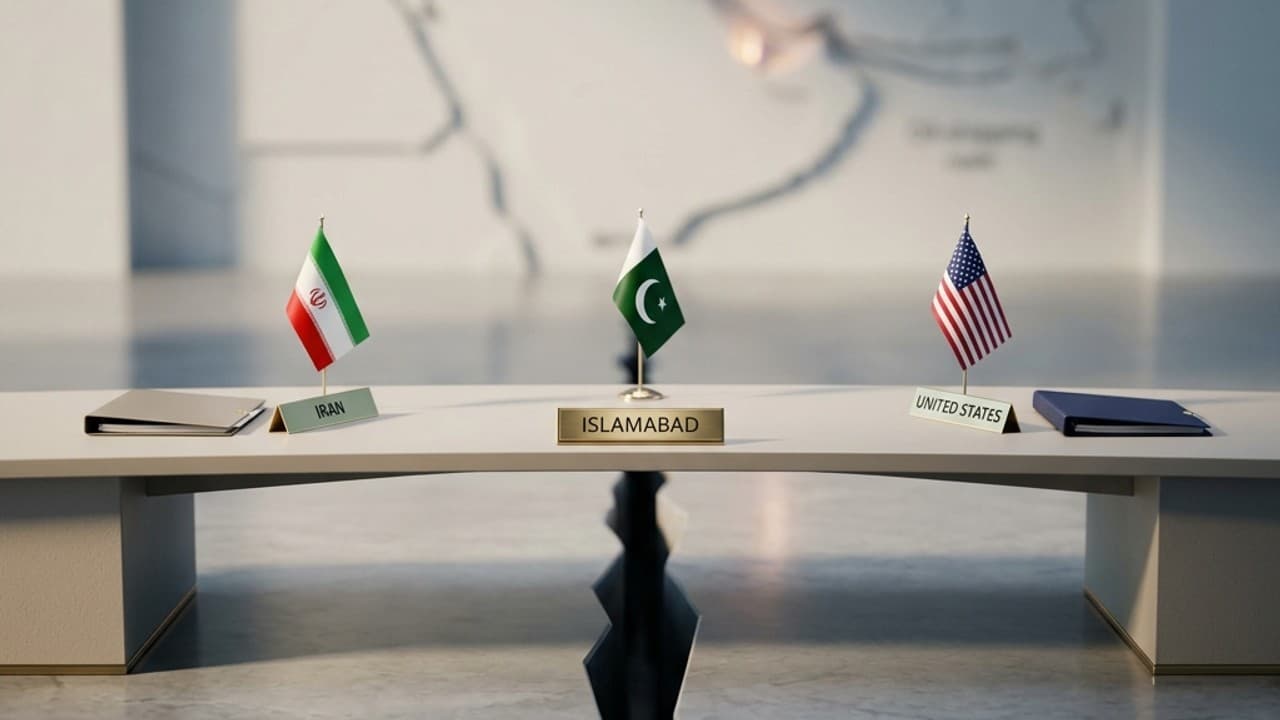
Iran and US Near Deal to End Ongoing Conflict
Iran and the United States are reported to be closing in on a diplomatic agreement that could bring an end to their ongoing armed confrontation, in what would constitute one of the most consequential geopolitical developments of the decade. Mediators and informed sources indicate that the broad parameters of a deal are taking shape, though final details remain under negotiation.
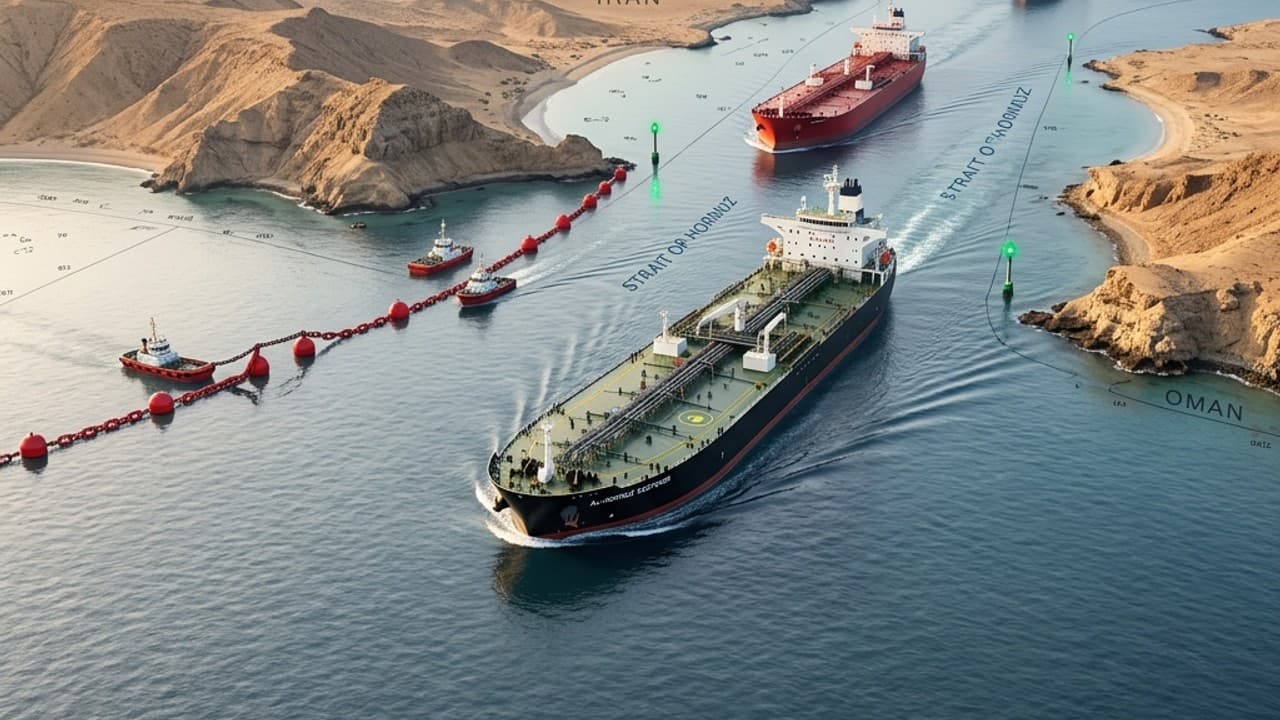
Trump Declares Iran Nuclear Deal Largely Done, Hormuz to Reopen
United States President Donald Trump announced on Sunday that a peace deal with Iran has been 'largely negotiated,' adding that the Strait of Hormuz — one of the world's most strategically critical maritime chokepoints — would reopen as part of the arrangement. The declaration, if confirmed, would represent one of the most consequential diplomatic breakthroughs in Middle Eastern geopolitics in decades.
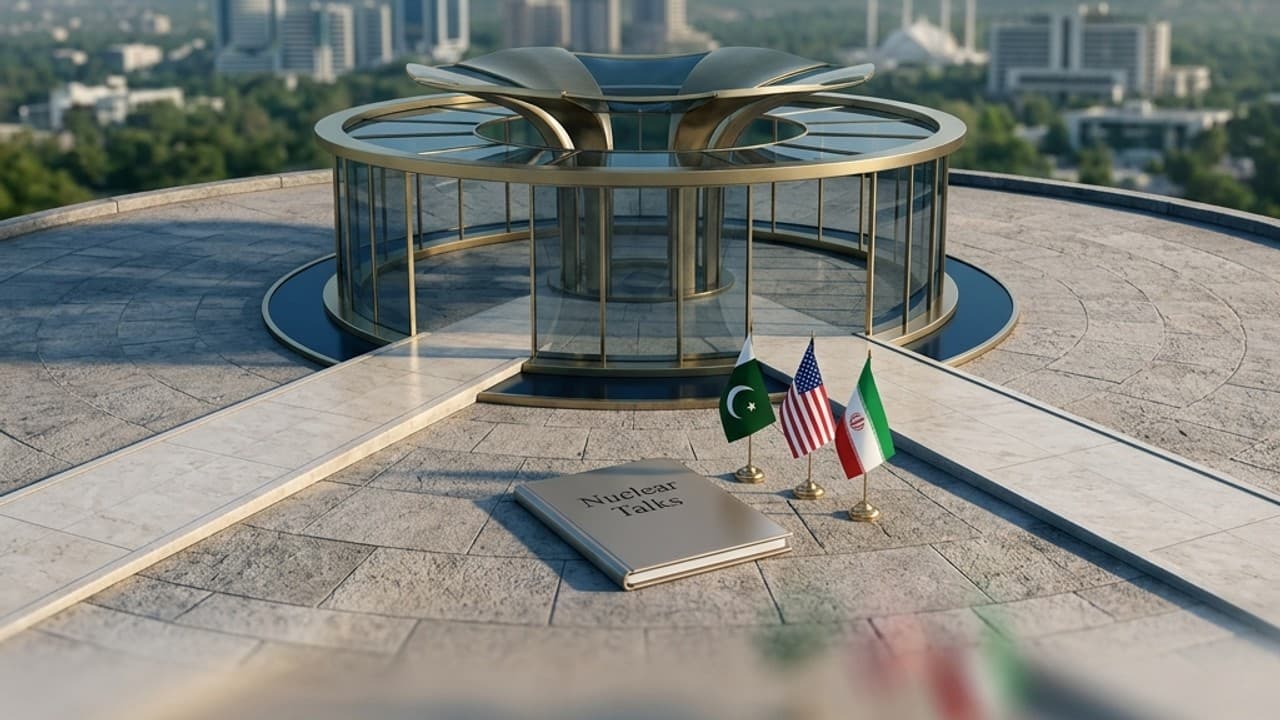
Pakistan Hopes to Host US-Iran Nuclear Talks Very Soon
Prime Minister Shehbaz Sharif has expressed confidence that Pakistan will host the next round of US-Iran nuclear negotiations 'very soon', as former US President Donald Trump described a prospective deal as 'largely negotiated'. The remarks signal a significant diplomatic breakthrough in which Pakistan has positioned itself as a critical facilitator between Washington and Tehran.
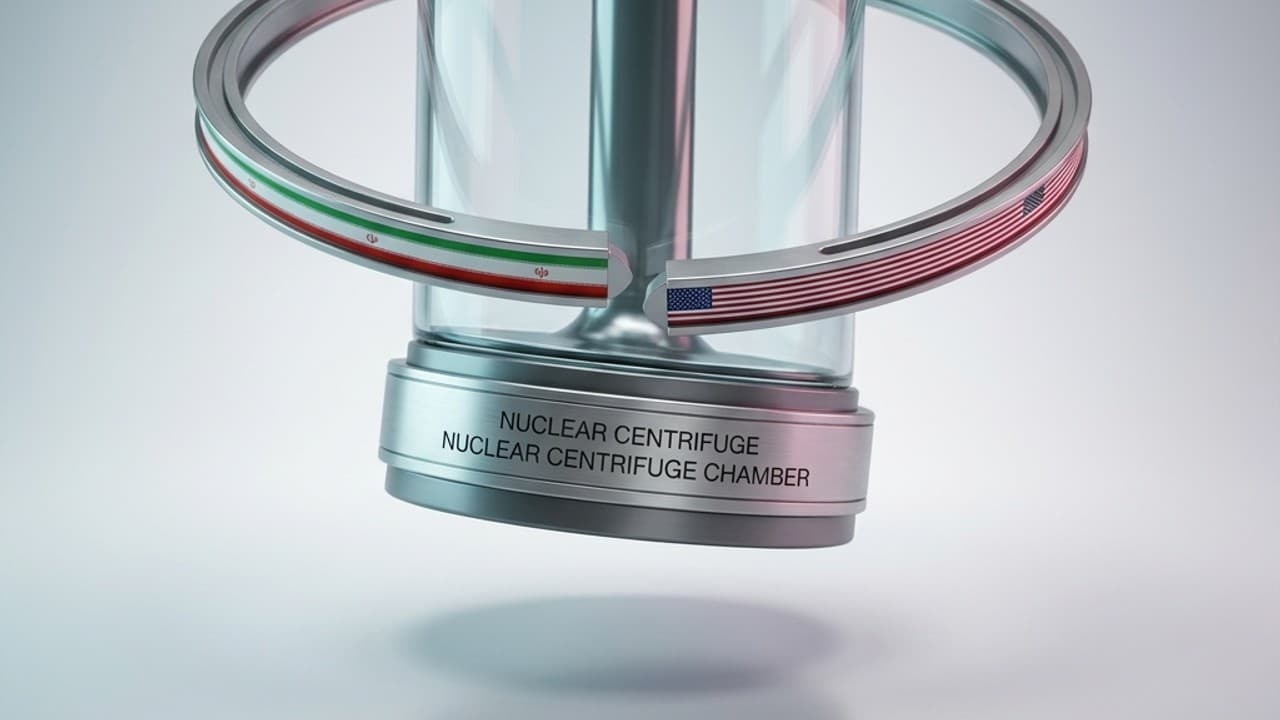
Iran and US Signal Possible Nuclear Deal Breakthrough After Talks
Iran and the United States have both signalled that negotiations over Tehran's nuclear programme may be nearing a critical juncture, with officials on both sides describing the possibility of a breakthrough as the 84-day conflict approaches a potential resolution. Donald Trump stated publicly that a deal with Iran was largely negotiated, the most direct indication yet from Washington that diplomatic progress had moved substantially beyond preliminary frameworks.
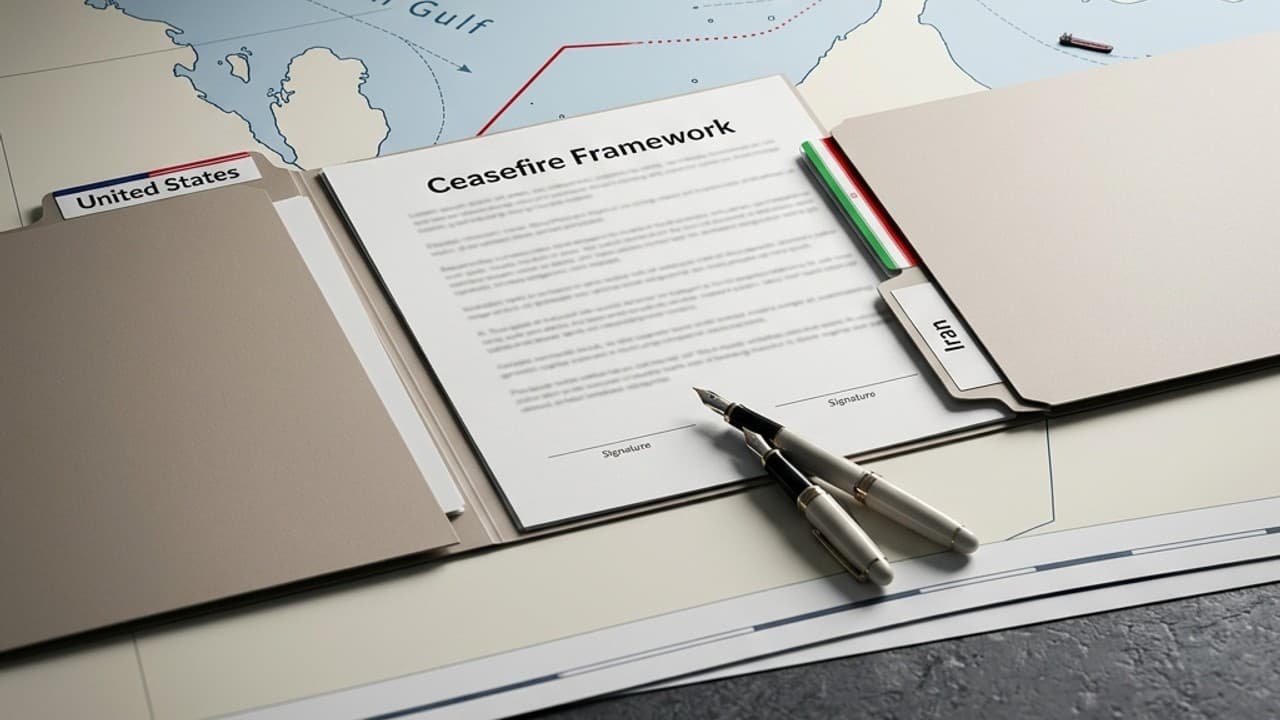
US and Iran Report Meaningful Progress in War-Ending Negotiations
The United States and Iran have both reported meaningful progress in ongoing diplomatic talks aimed at ending their active military conflict, raising cautious hopes that a negotiated ceasefire or broader settlement may be within reach. Both sides acknowledged forward movement in negotiations, though no formal agreement has been announced.
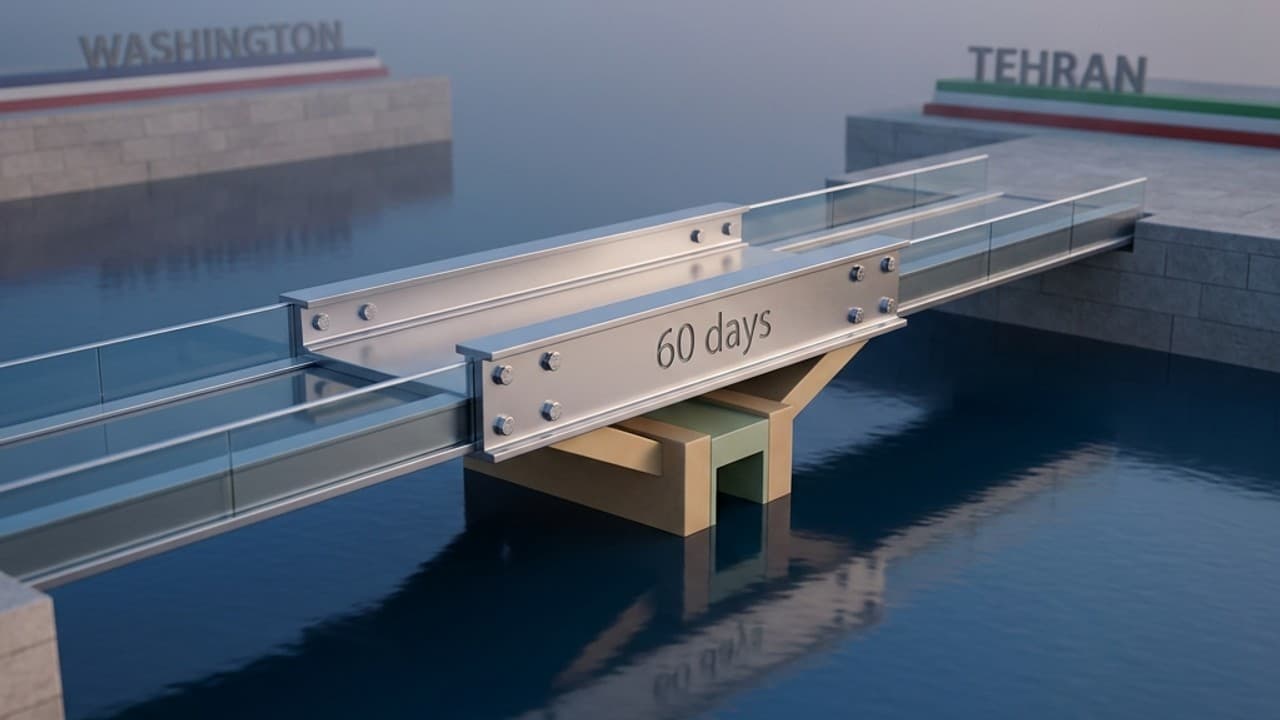
US and Iran Near 60-Day Ceasefire Extension, Mediators Confirm
The United States and Iran are reported to be close to agreeing on a 60-day extension of their existing ceasefire arrangement, according to mediators cited by the Financial Times. The development, if formalised, would represent a significant stabilisation of one of the world's most volatile diplomatic flashpoints and buy additional time for broader nuclear and regional security negotiations.