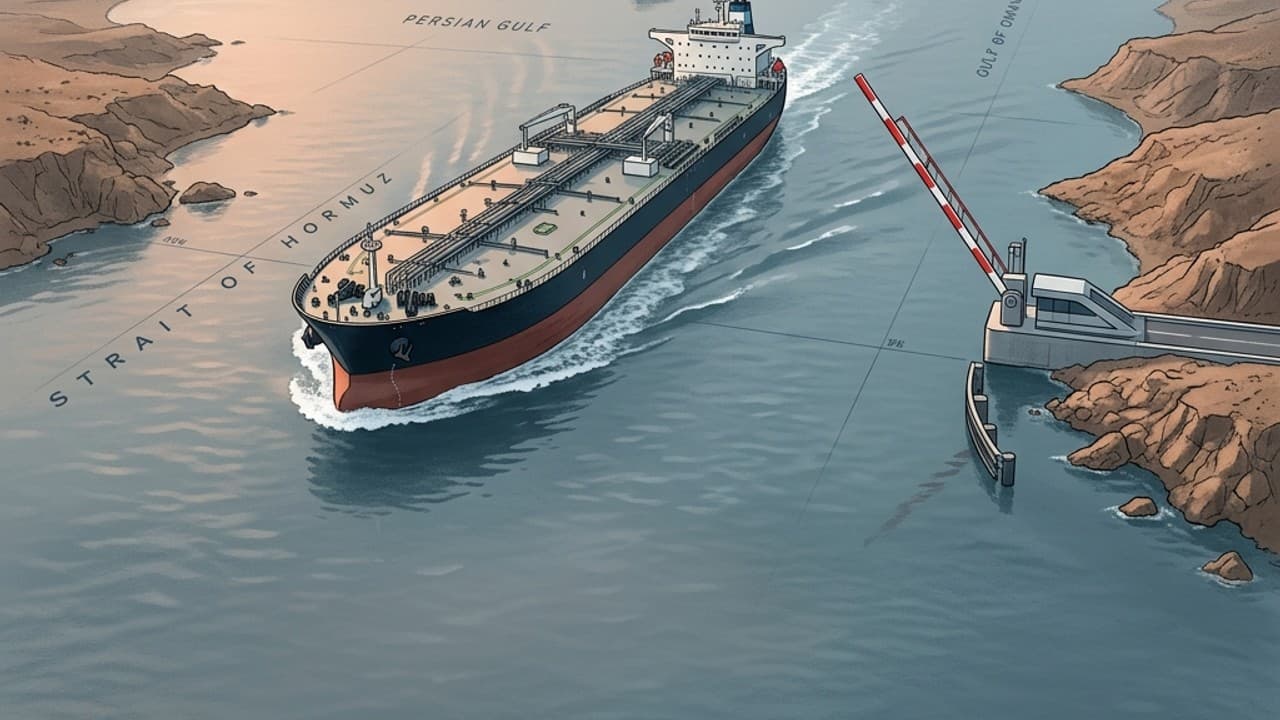
Trump Opposes Strait of Hormuz Tolls Amid Regional Tensions
United States President Donald Trump has publicly declared that Washington does not want tolls imposed on the Strait of Hormuz, the critical maritime chokepoint through which a significant share of the world's oil supply transits daily. The statement carries immediate implications for global energy markets and regional geopolitics at a time of heightened tensions involving Iran.
The Strait of Hormuz connects the Persian Gulf to the Gulf of Oman and serves as the primary export route for crude oil from Saudi Arabia, the UAE, Iraq, Kuwait, and Iran itself. Any disruption or imposition of fees on passage would ripple through global energy supply chains and drive commodity price volatility across international markets.
Trump's remarks appear directed at any party contemplating the use of the strait as a lever of economic coercion — a tactic that analysts have long flagged as a potential Iranian countermeasure in the event of escalating pressure on Tehran. The statement is being interpreted as a firm American signal that freedom of navigation in the waterway is a red line for Washington.
For Pakistan and other import-dependent economies in the region, the stability of the Strait of Hormuz is a matter of direct economic consequence, given the dependence on Gulf energy imports. Markets will closely monitor further developments for any indication of military posturing or diplomatic negotiations around the strait.
Similar Stories
Background and related coverage on this story.
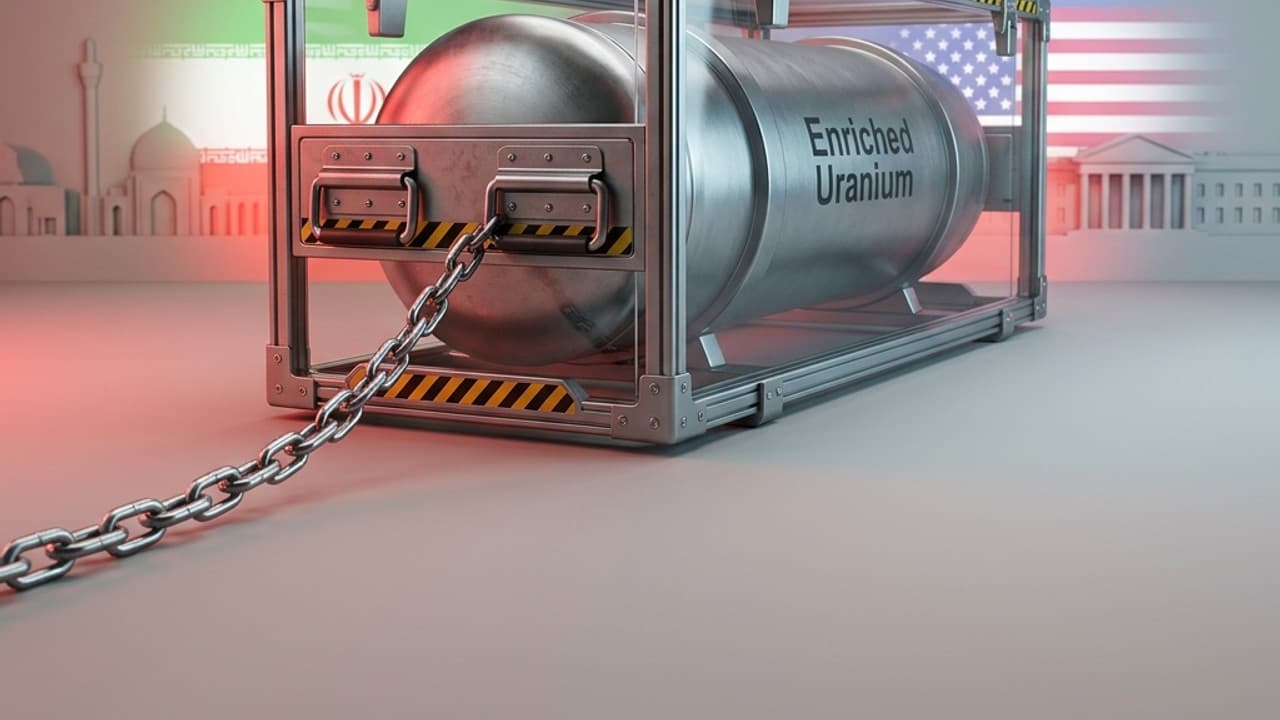
Trump Vows US Will Retrieve Uranium Stockpiles From Iran
US President Donald Trump has vowed that the United States will retrieve uranium stockpiles from Iran, in a significant escalation of rhetoric surrounding ongoing nuclear negotiations between Washington and Tehran. The declaration signals a hardened American posture that could complicate diplomatic efforts aimed at constraining Iran's nuclear programme.
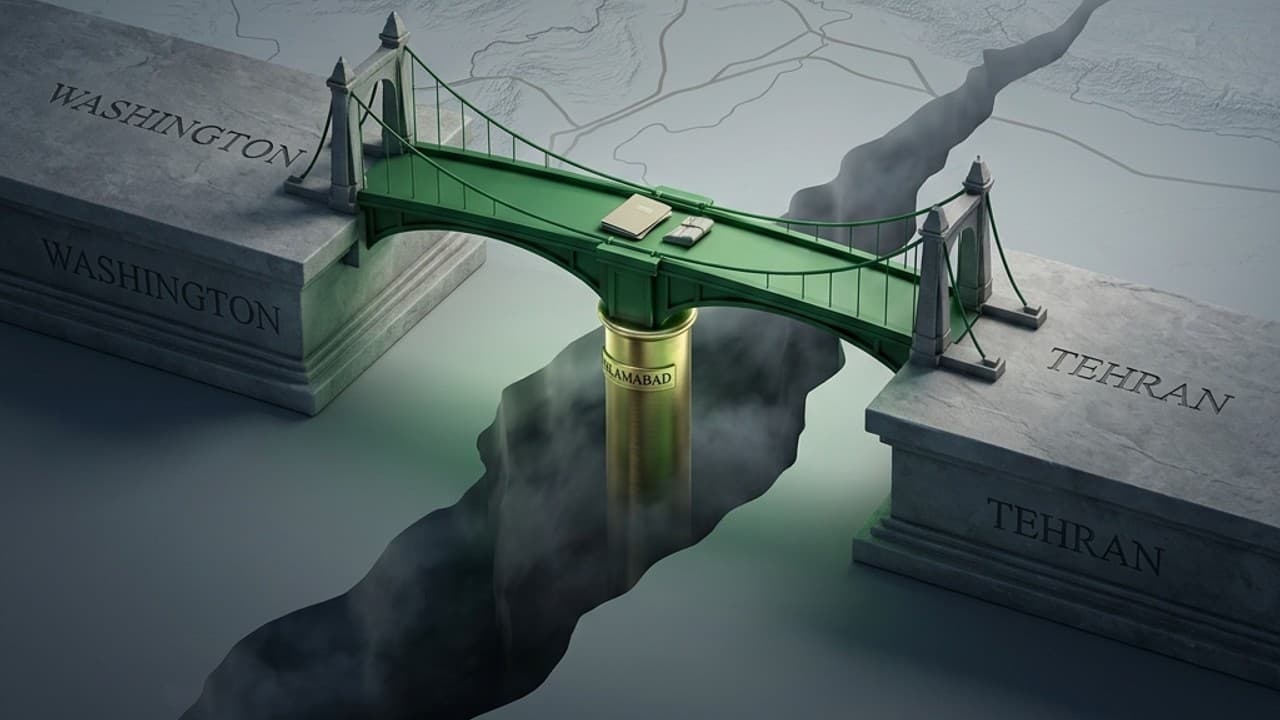
Pakistan Moves Diplomatically to Avert US-Iran Military Escalation
Pakistan has launched an active diplomatic effort to prevent a military escalation between the United States and Iran, engaging both sides through back-channel and official channels as tensions between the two powers intensify. Islamabad is leveraging its historically maintained ties with both Washington and Tehran to serve as a stabilising interlocutor at a moment of acute regional danger.
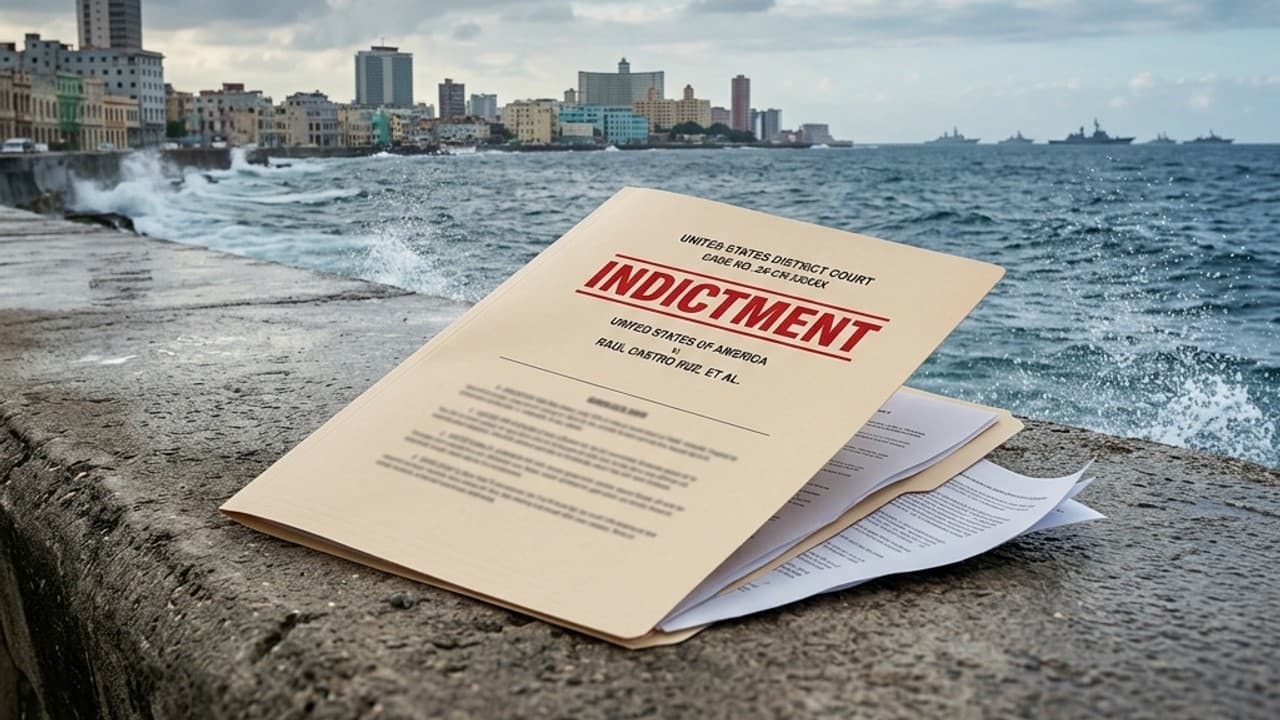
US Indicts Raul Castro Amid Rising Fears of Cuba Invasion
The United States has formally indicted Raul Castro, the former Cuban president and longtime revolutionary figure, as tensions between Washington and Havana escalate to levels not seen in decades. The indictment, which carries significant legal and geopolitical weight, comes alongside mounting speculation and official warnings about a possible US military intervention in Cuba.
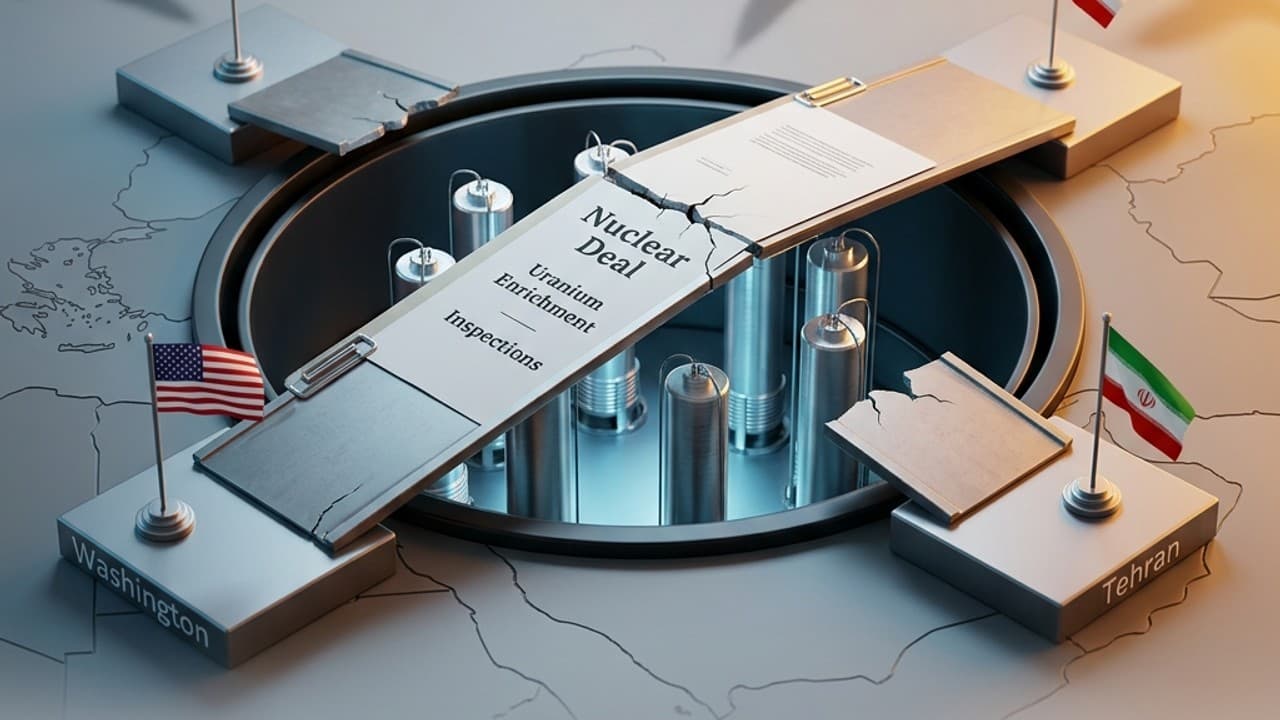
Trump Warns of Military Strikes If Iran Nuclear Deal Collapses
US President Donald Trump declared on Wednesday that negotiations with Iran over its nuclear programme are in their final stages, simultaneously issuing a stark warning that military strikes remain on the table should talks break down. The statement, one of the most direct threats yet from the current administration, marks a significant escalation in diplomatic pressure on Tehran.
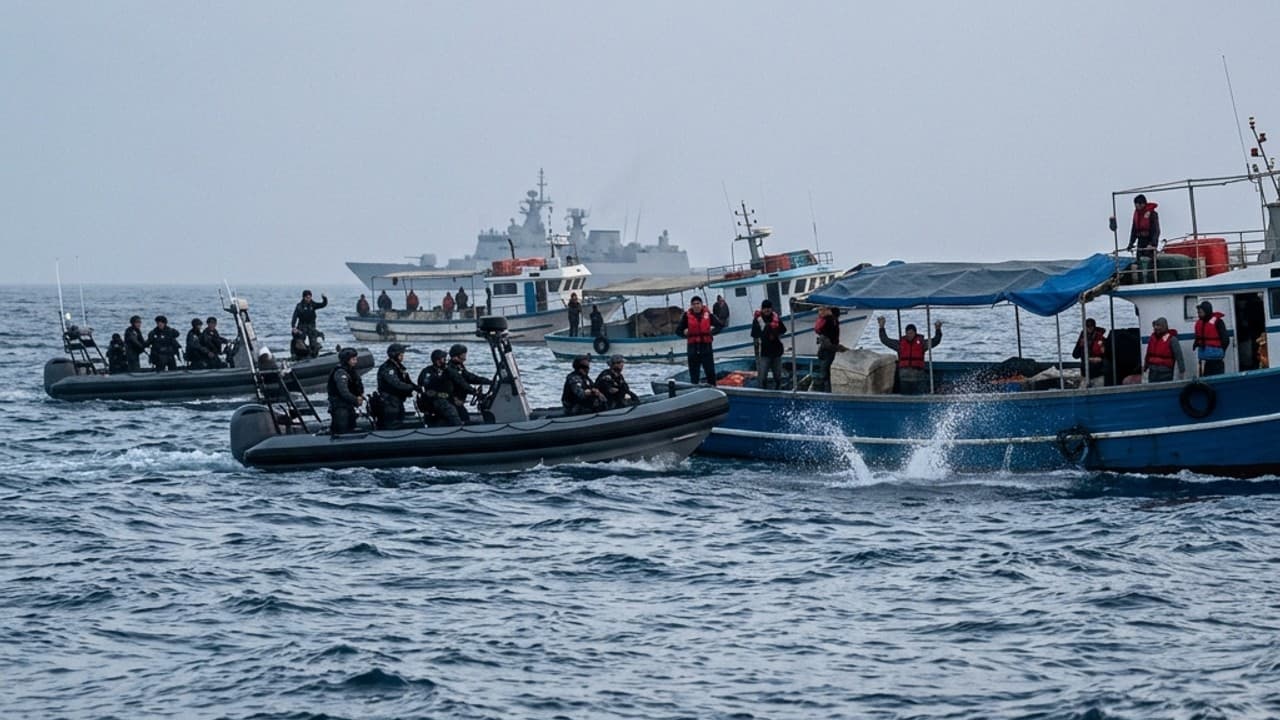
430 Gaza Flotilla Activists Intercepted and Transferred to Israel
Israeli naval forces have intercepted all boats belonging to the Gaza Freedom Flotilla, firing shots during the operation and transferring approximately 430 international activists to Israeli custody, according to statements from the flotilla organisers and Turkey's foreign ministry spokesman. The interception occurred in international or contested waters in the Eastern Mediterranean as the humanitarian convoy attempted to breach Israel's naval blockade of Gaza.
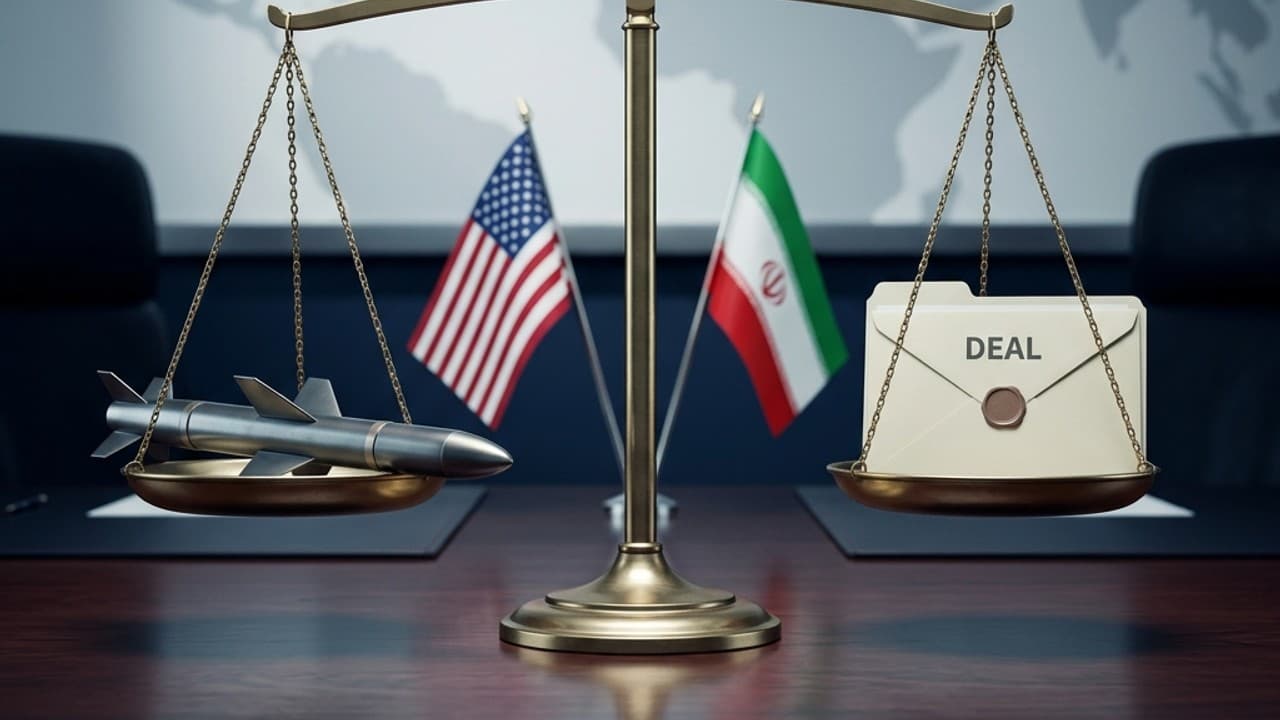
Trump Warns of Fresh Iran Strike as Tehran Signals Deal Interest
United States President Donald Trump has warned that Washington may carry out another military strike against Iran, even as he acknowledged that Tehran has expressed willingness to reach a negotiated agreement. The remarks represent one of the most direct public statements from Trump indicating both military preparedness and diplomatic ambiguity at a moment of acute regional tension.