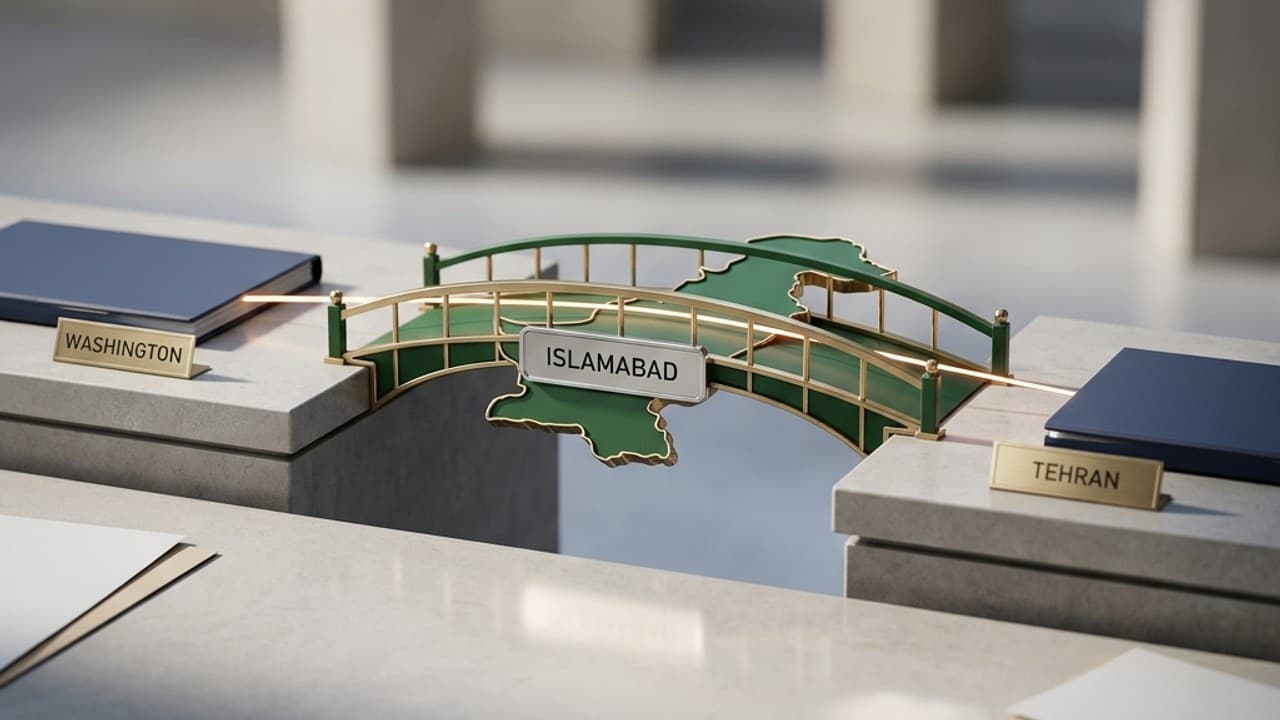
Trump Praises Pakistan's Role in Facilitating US-Iran Diplomatic Dialogue
United States President Donald Trump has publicly praised Pakistan's mediatory role in facilitating dialogue between Washington and Tehran, describing Pakistan with characteristic informality as 'great' in remarks that represent a significant diplomatic endorsement of Islamabad's regional bridging function.
Trump's acknowledgement positions Pakistan as an active interlocutor in one of the most consequential diplomatic tracks currently underway, as the United States and Iran navigate nuclear and regional security tensions through indirect and increasingly direct channels. Pakistan's geographic proximity to Iran and its historically maintained lines of communication with Tehran have made it a credible facilitator for both parties.
The public praise from the American president carries both diplomatic and economic significance for Pakistan, which is currently engaged with Washington on multiple fronts including its IMF programme, trade relations, and post-India-Pakistan tensions requiring external validation of its strategic posture. A positive signal from the White House bolsters Islamabad's leverage in these parallel engagements.
Pakistan has historically played a quiet but meaningful role in regional mediation, including facilitating earlier rounds of US-Iran backchannel contacts. Trump's decision to publicly credit Pakistan suggests the mediation has reached a stage where Islamabad's contribution is considered substantive enough to acknowledge openly, a departure from the customary opacity of such diplomatic back-channel arrangements.
Regional analysts note that while the praise is diplomatically welcome, Pakistan will need to manage the sensitivities involved carefully, balancing its relationships with both Washington and Tehran without being drawn into the deeper fault lines of their bilateral confrontation.
Similar Stories
Background and related coverage on this story.
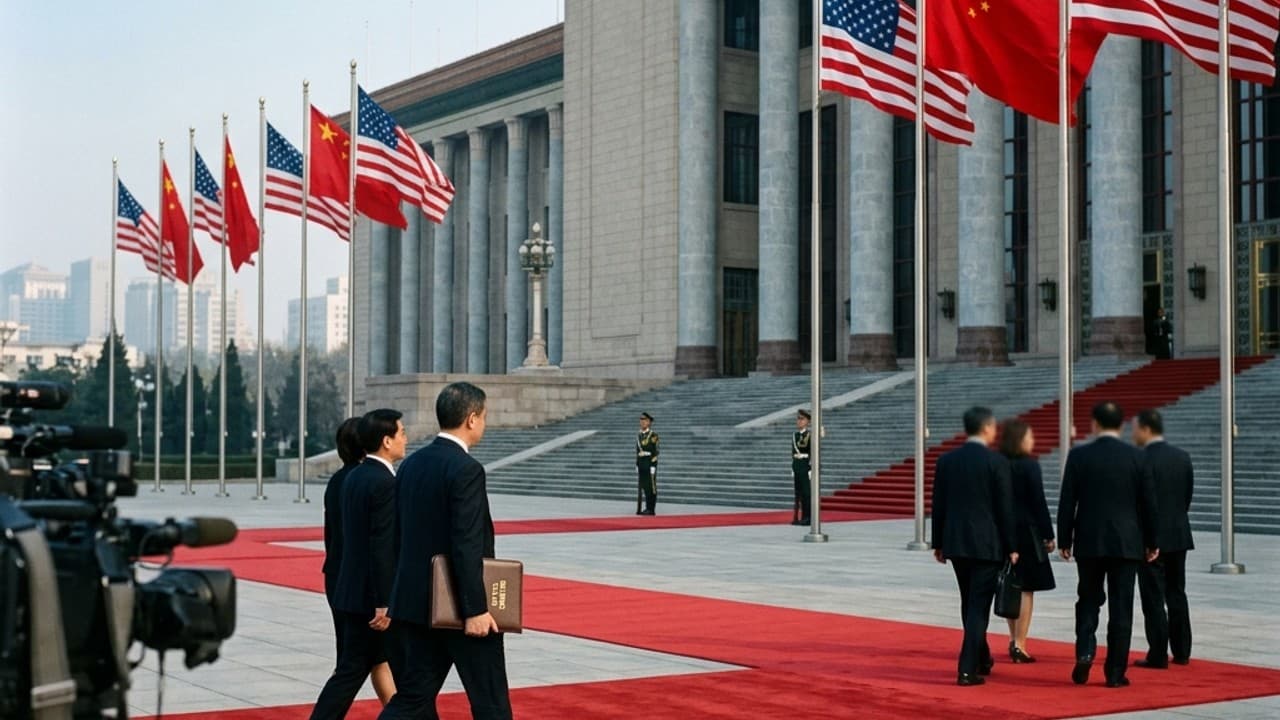
Xi and Trump Open High-Stakes Beijing Talks on Trade and Rivalry
Chinese President Xi Jinping opened high-stakes bilateral talks with US President Donald Trump in Beijing on Thursday, calling for the two powers to be 'partners not rivals' as the leaders squared off over trade, Taiwan, and the deepening structural competition between the world's two largest economies. The summit, held against a backdrop of intensifying strategic rivalry, marks one of the most consequential face-to-face encounters between Beijing and Washington in recent years.
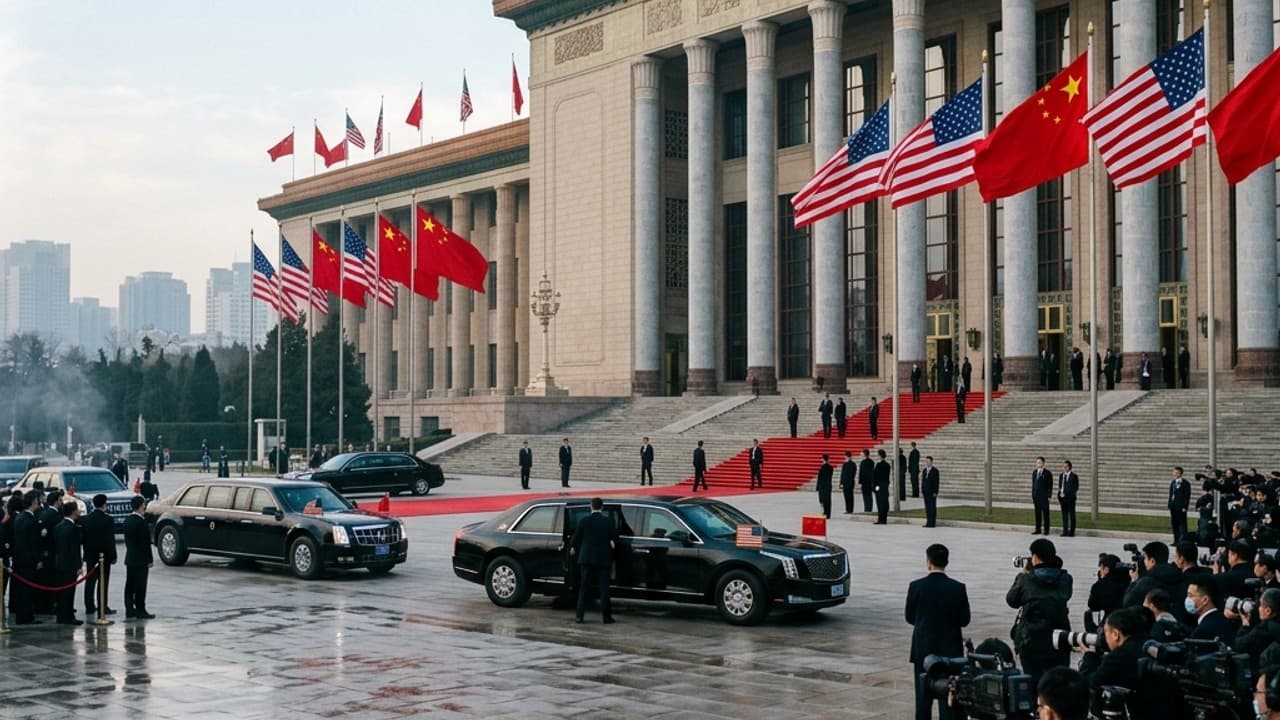
Trump and Xi Hold High-Stakes Summit in Beijing
United States President Donald Trump and Chinese President Xi Jinping convened for high-stakes bilateral talks in Beijing on Thursday, marking a significant diplomatic engagement between the world's two largest economies. The summit comes amid persistent tensions over trade, technology, and regional security that have defined the relationship between Washington and Beijing in recent years.
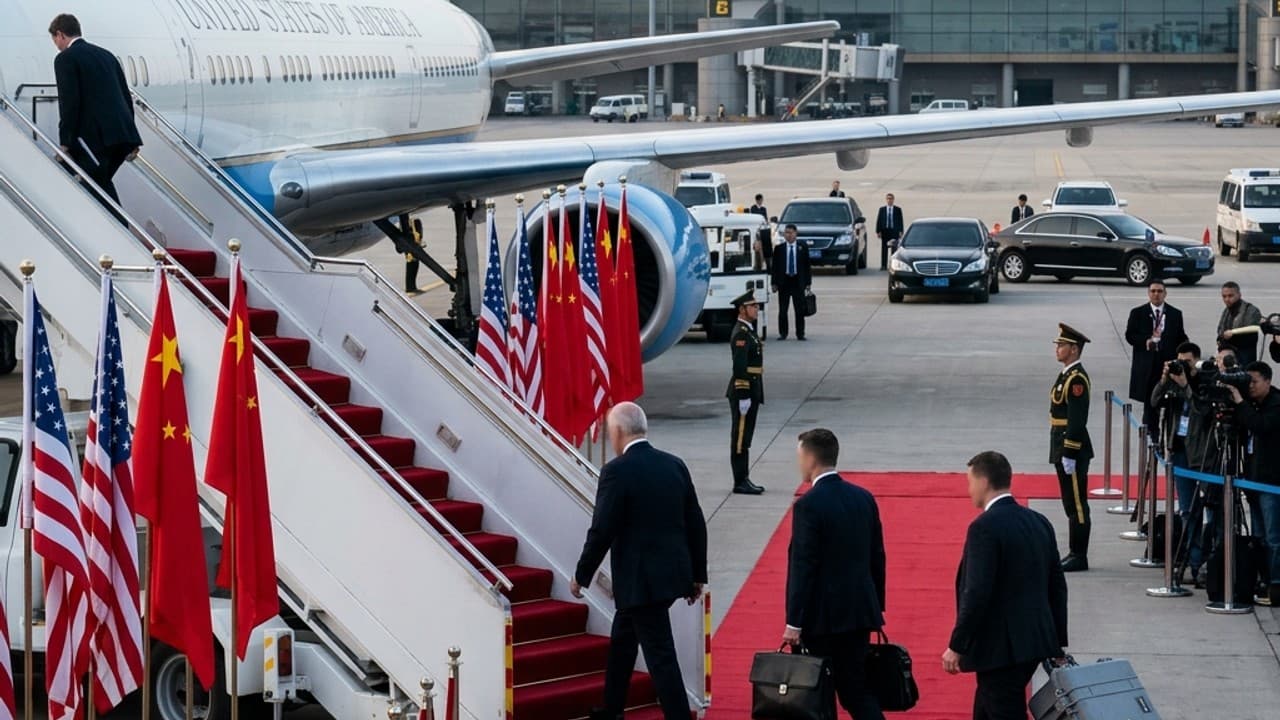
Trump Arrives in Beijing for High-Stakes Summit with Xi
United States President Donald Trump has arrived in Beijing for a high-stakes summit with Chinese President Xi Jinping, marking one of the most consequential bilateral meetings in recent years. The visit comes amid ongoing trade tensions between the world's two largest economies, with both sides expected to weigh significant tariff reductions as part of a broader managed trade framework.
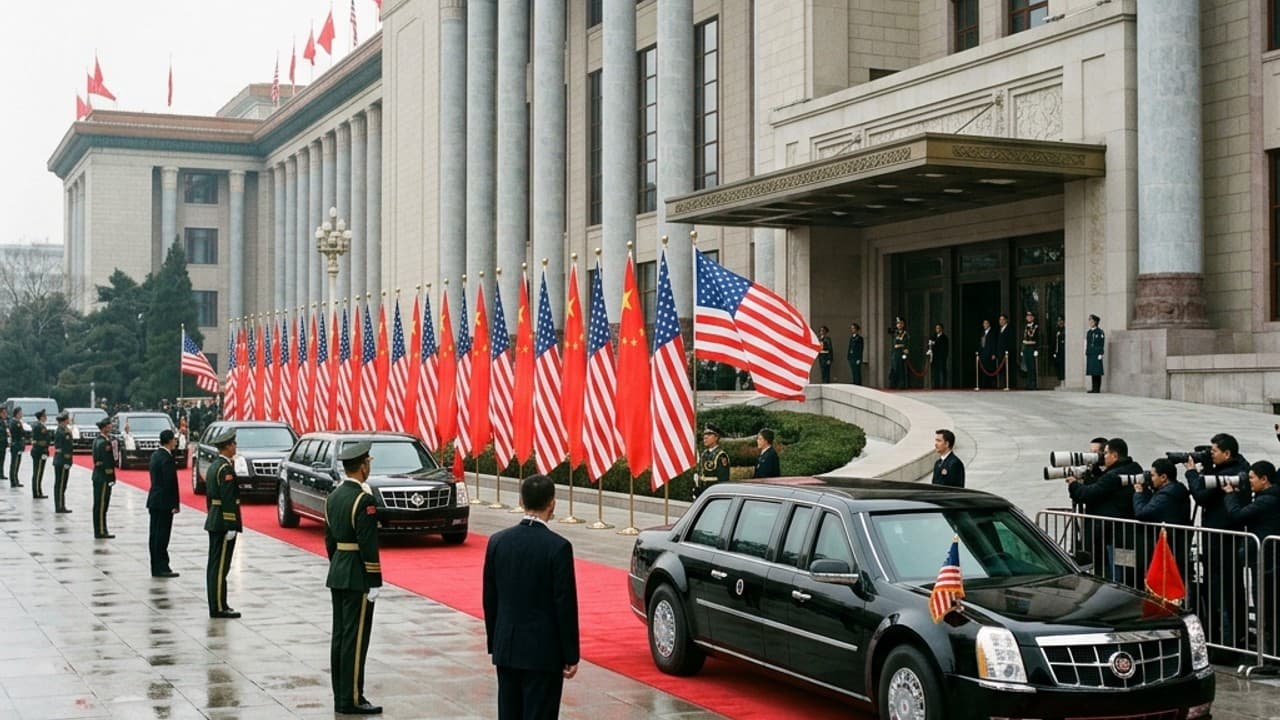
Trump Travels to Beijing for High-Stakes Talks With Xi Jinping
United States President Donald Trump is travelling to Beijing for a summit with Chinese President Xi Jinping in what represents the most consequential bilateral engagement between the world's two largest economies in years. The talks are expected to cover a sweeping agenda including trade dispute resolution, Taiwan's political status, and a range of technology and security flashpoints that have pushed US-China relations to a breaking point.
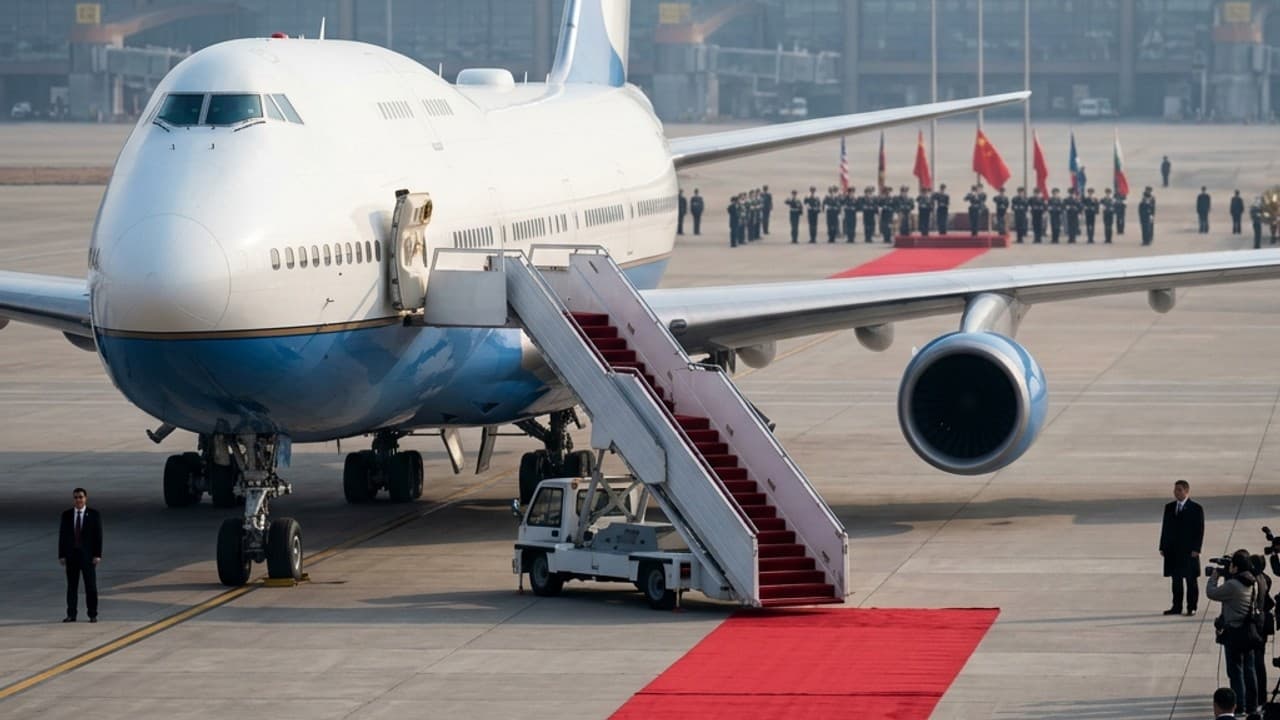
Trump Arrives in China for High-Stakes State Visit
United States President Donald Trump is due in China on Wednesday for a landmark state visit that carries enormous geopolitical and economic weight, arriving at a moment of acute tension between the world's two largest economies. The visit marks a rare instance of direct high-level engagement between Washington and Beijing amid ongoing trade disputes, technology restrictions, and competing strategic ambitions in the Indo-Pacific region.
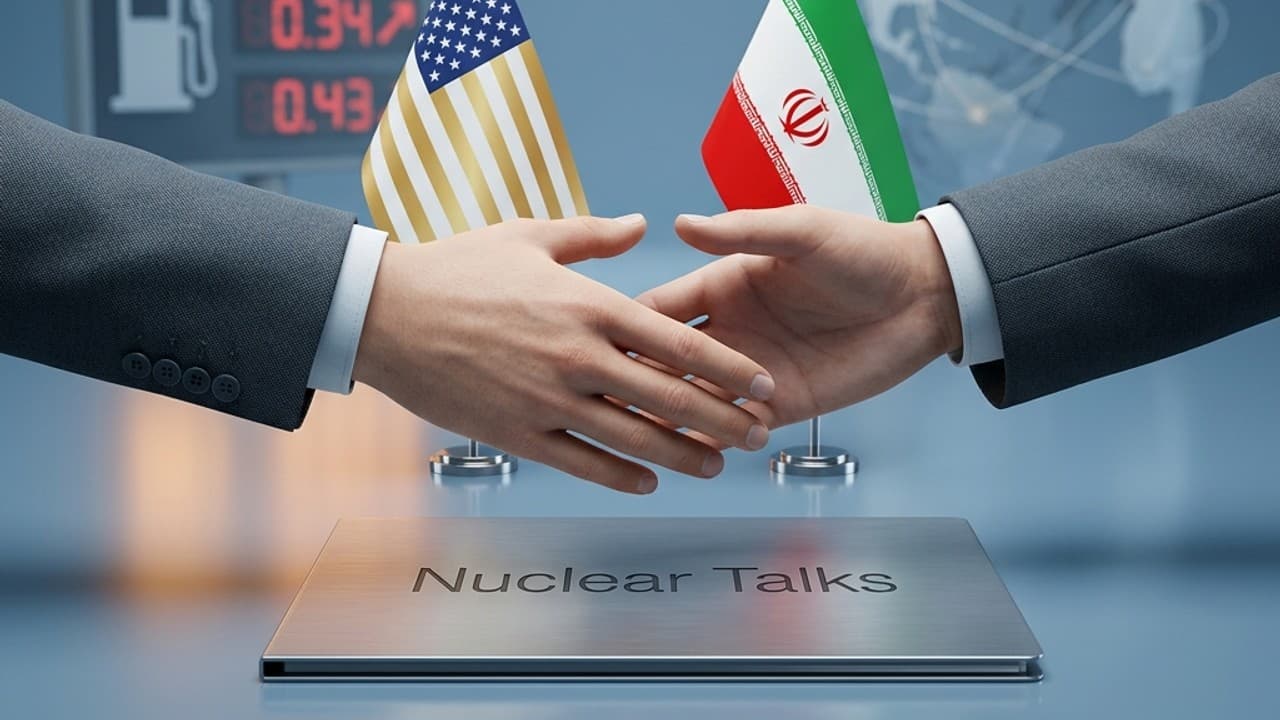
Vance Says US Making Tangible Progress in Iran Nuclear Talks
United States Vice President JD Vance has stated that Washington is making meaningful progress in ongoing diplomatic negotiations with Iran, signalling a potential shift in the fraught bilateral relationship that has been complicated by active military tensions between the two nations. Vance's remarks come as the US-Iran conflict continues to exert pressure on global energy markets, with oil prices elevated and lawmakers in Washington debating emergency fiscal relief measures including a gas tax holiday to cushion domestic consumers from the economic fallout.