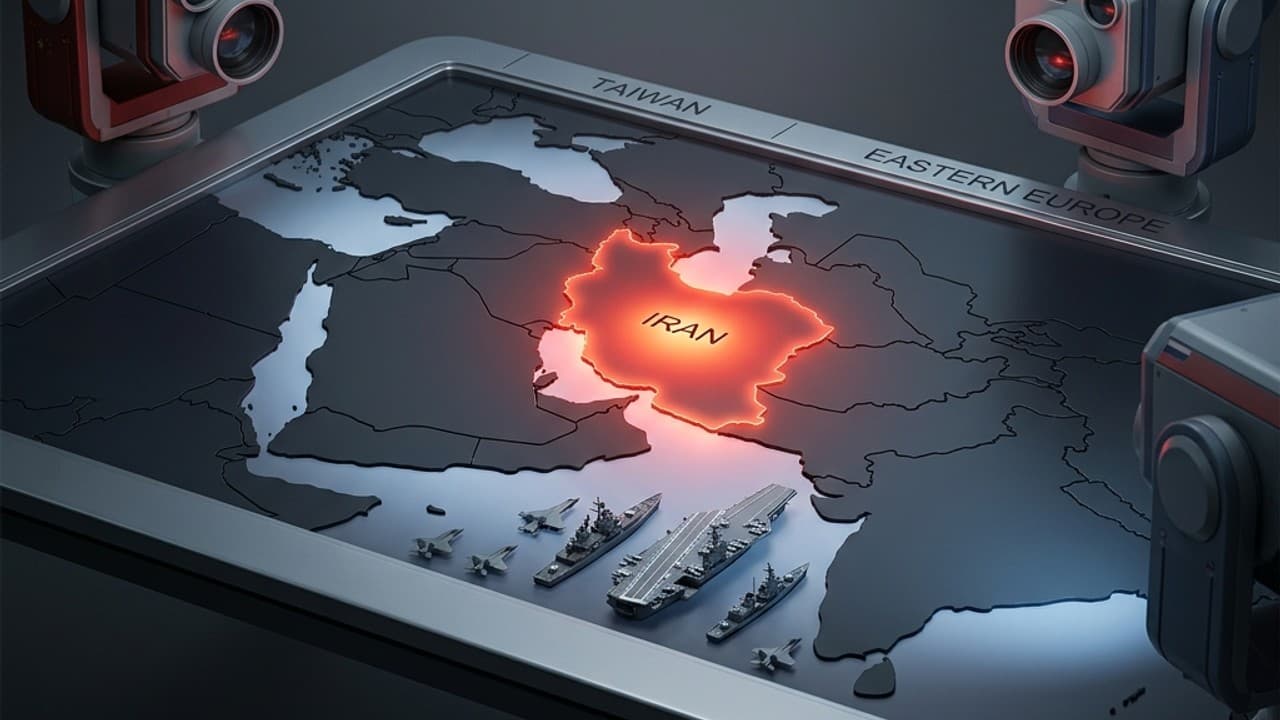
US-Iran War Draws Strategic Scrutiny From China and Russia
A decorated US Navy SEAL veteran has issued a stark warning that China and Russia are carefully observing the ongoing US-Iran military conflict as a real-time stress test of American armed forces capacity, strategic decision-making, and overall military effectiveness.
The assessment reflects a growing concern within the US defence and intelligence community that adversarial powers are treating the Iran conflict not merely as a regional event but as a calibration exercise — drawing conclusions about how the United States would perform in any future direct confrontation involving Taiwan, Eastern Europe, or other flashpoints.
The SEAL veteran's warning underscores the extent to which the US-Iran war has transcended its bilateral framing to become a pivotal moment in great-power competition. Every operational decision, logistical performance metric, and diplomatic outcome is being scrutinised by Beijing and Moscow with strategic intent.
For Pakistan, which navigates delicate relationships with the United States, China, and Iran simultaneously, the deepening great-power dimension of the conflict adds layers of complexity to its foreign policy calculus. Islamabad's ability to maintain balanced ties with all major actors will be tested as the conflict extends.
Similar Stories
Background and related coverage on this story.
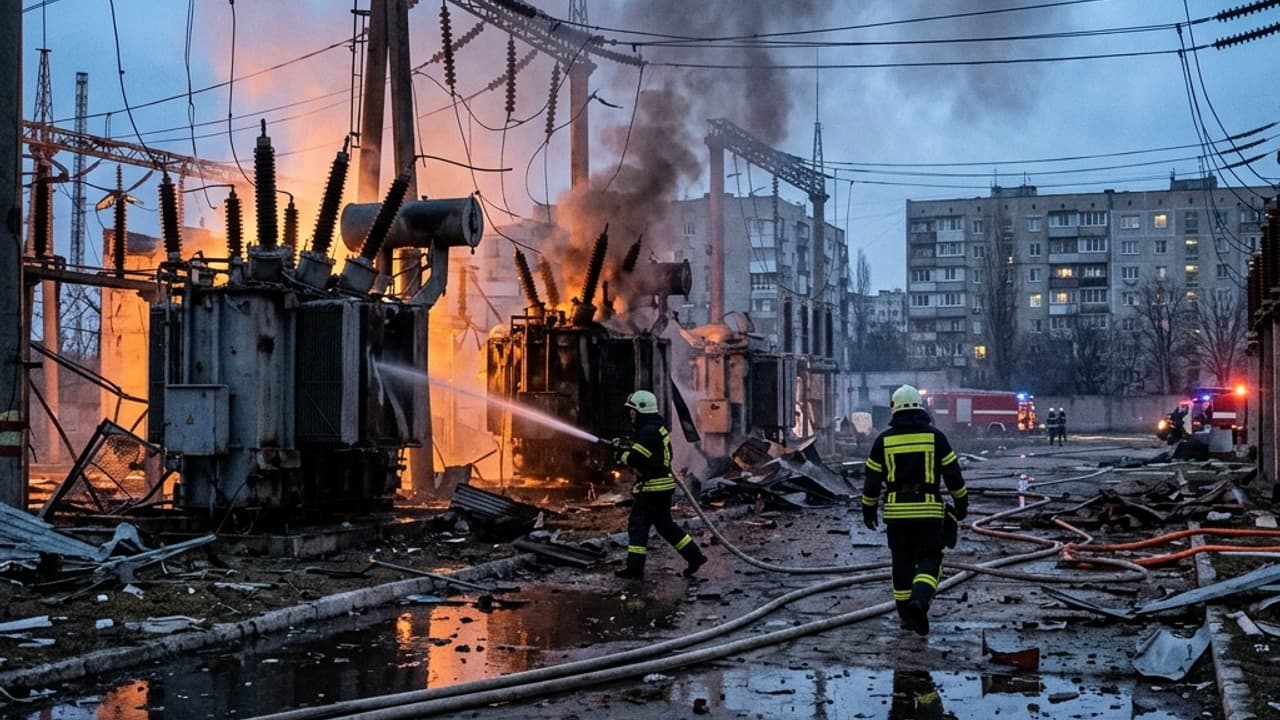
Russia Launches Large-Scale Air Attack on Ukrainian Infrastructure
Russia launched a major air attack targeting Ukrainian infrastructure on Wednesday, according to Ukrainian military intelligence. The strike represents one of the more significant aerial bombardments in the ongoing conflict, with early reports indicating damage to critical civilian and energy installations.
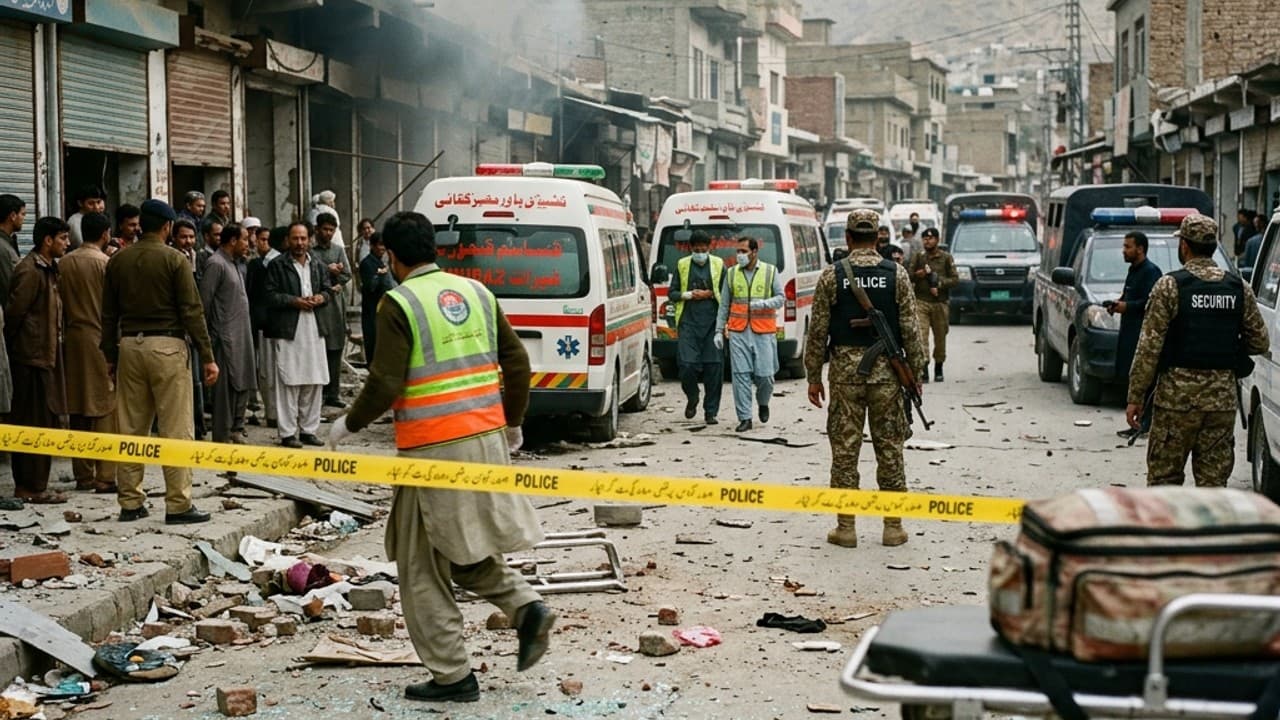
Wave of Terrorist Attacks Kills 23 Across Khyber Pakhtunkhwa
A coordinated wave of terrorist attacks struck multiple locations across Khyber Pakhtunkhwa on Wednesday, leaving at least 23 people dead and dozens more injured in one of the province's deadliest mass-casualty events in recent months. The attacks, occurring in rapid succession, have triggered emergency responses from provincial and federal security authorities.
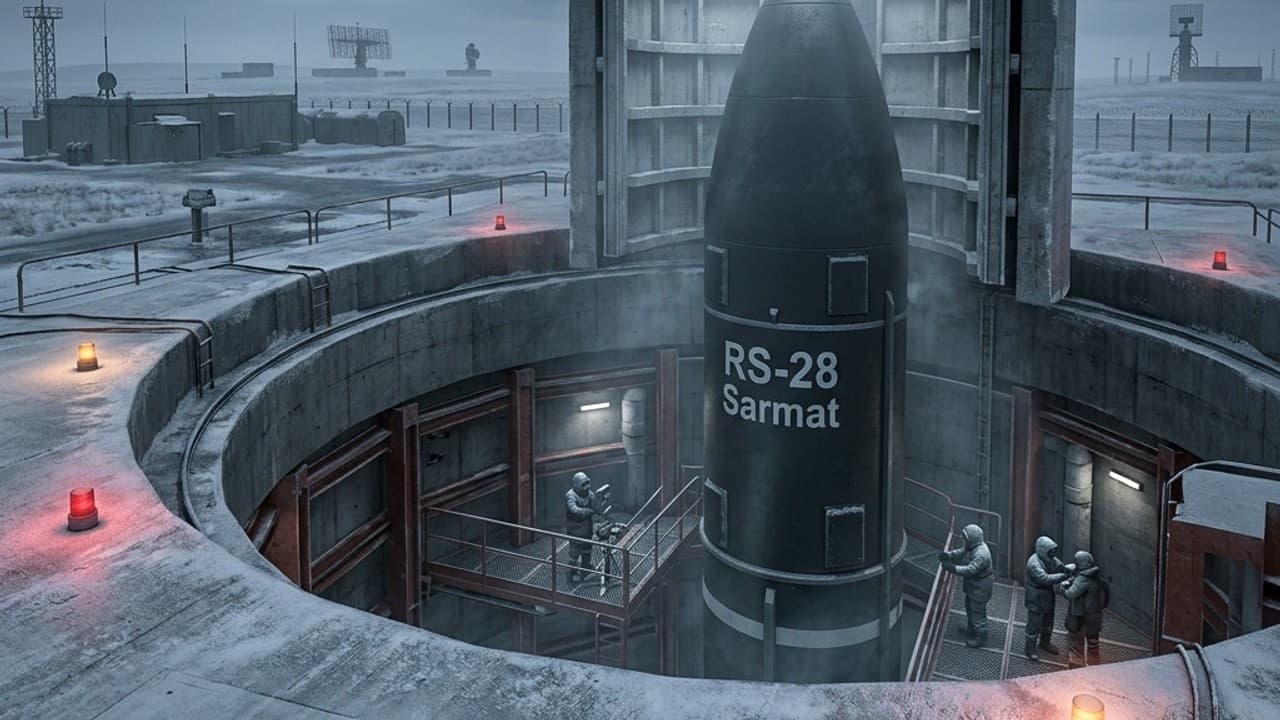
Putin Announces Russia Will Deploy New Sarmat Nuclear Missile in 2026
Russian President Vladimir Putin has declared that Russia will deploy its new Sarmat intercontinental ballistic missile during the current year, in a statement that carries significant implications for global nuclear deterrence architecture. The Sarmat, designated RS-28, is among the world's most capable nuclear delivery systems and represents Moscow's most advanced strategic weapon in its arsenal.
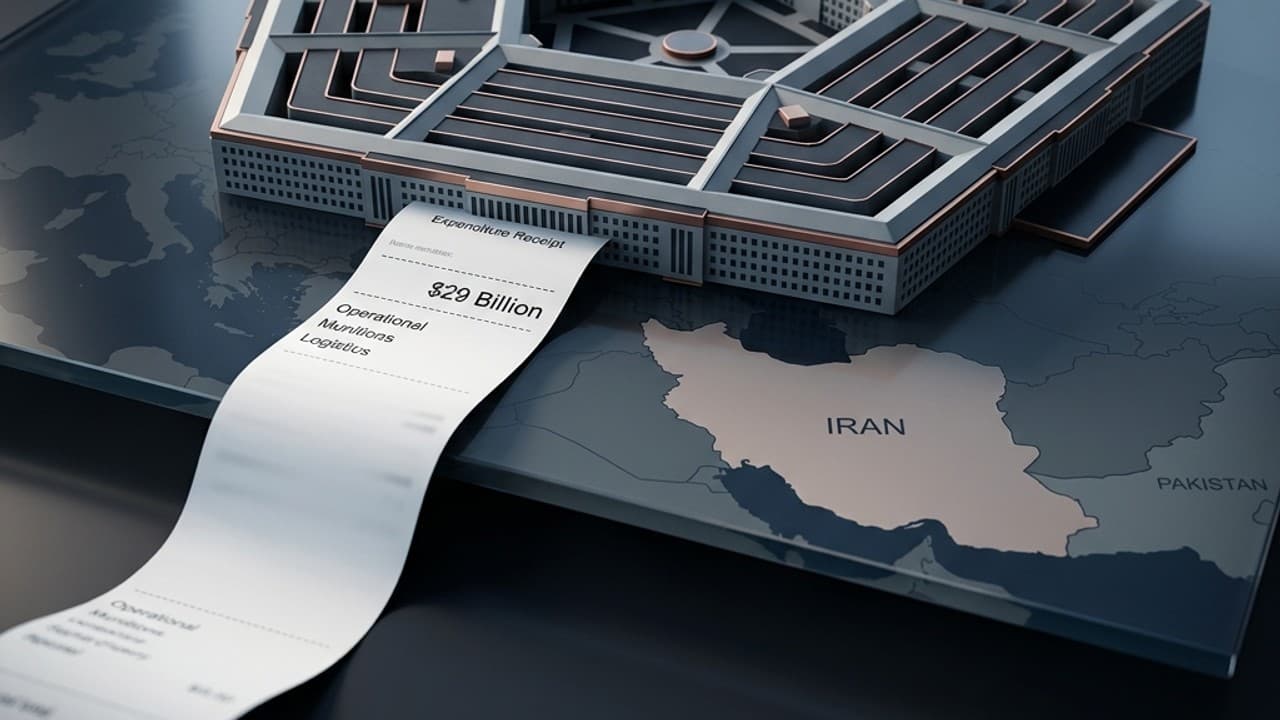
US War in Iran Has Cost $29 Billion, Pentagon Confirms
The United States Pentagon has confirmed that American military operations in Iran have cost $29 billion to date, providing the first official quantification of the financial burden of the conflict. The disclosure marks a significant moment of institutional transparency and is expected to intensify domestic debate in Washington over the fiscal and strategic sustainability of the war.
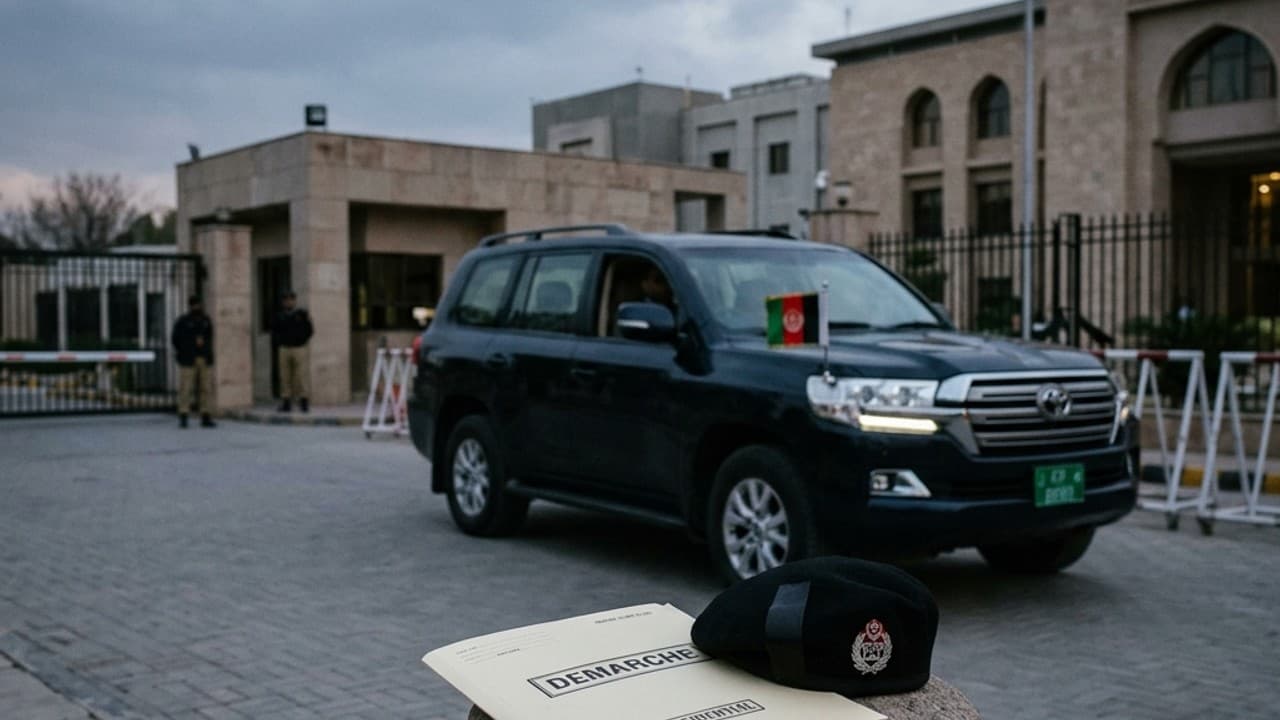
Pakistan summons Afghan envoy after 15 officers killed in Bannu suicide attack
Pakistan on Monday issued a formal demarche to Afghanistan and summoned the Afghan Chargé d'Affaires following a devastating suicide attack in Bannu, Khyber Pakhtunkhwa, that killed at least 15 police personnel. The Foreign Office held Kabul accountable for allowing militant networks to operate from Afghan soil, marking one of the sharpest diplomatic rebukes Pakistan has issued to Afghanistan in recent months.
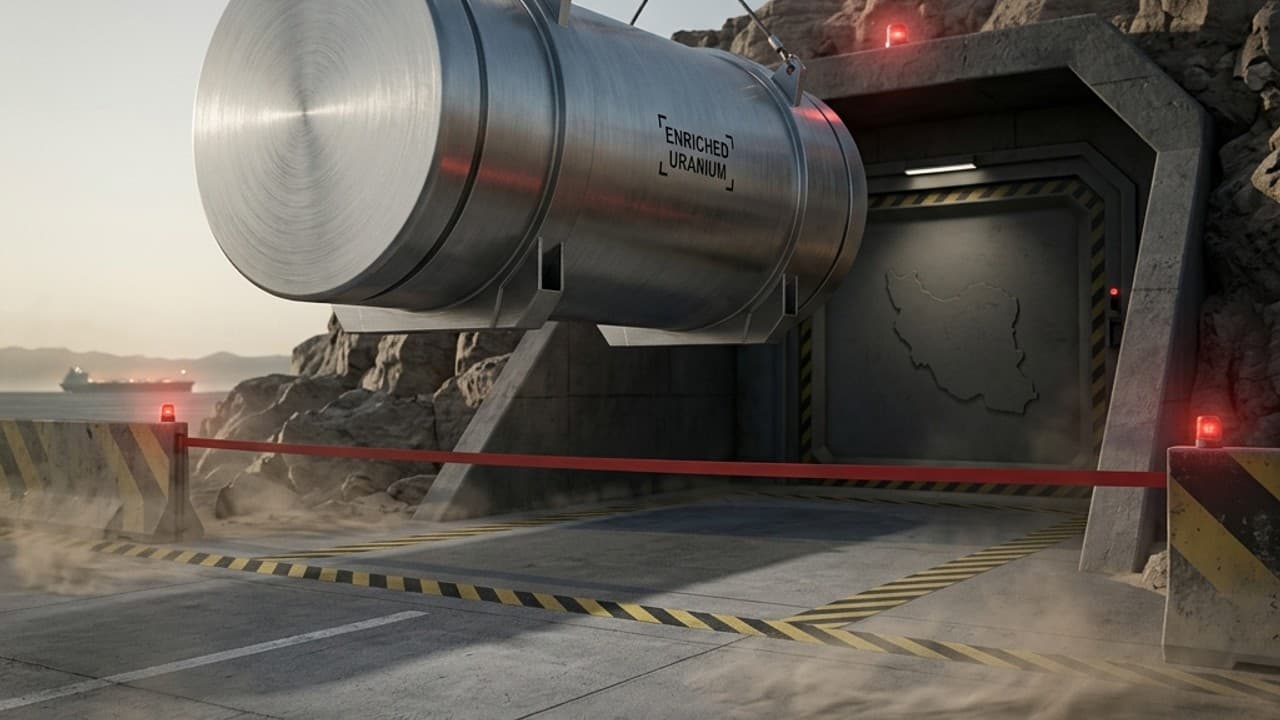
Netanyahu Warns Iran War Not Over, Demands Uranium Removal
Israeli Prime Minister Benjamin Netanyahu declared Sunday that the war with Iran is far from over, insisting that Iran's enriched uranium must be removed as a non-negotiable condition for any resolution to the ongoing conflict. The statement marks a significant hardening of Israel's public position and signals that diplomatic off-ramps remain narrow despite international pressure for de-escalation.