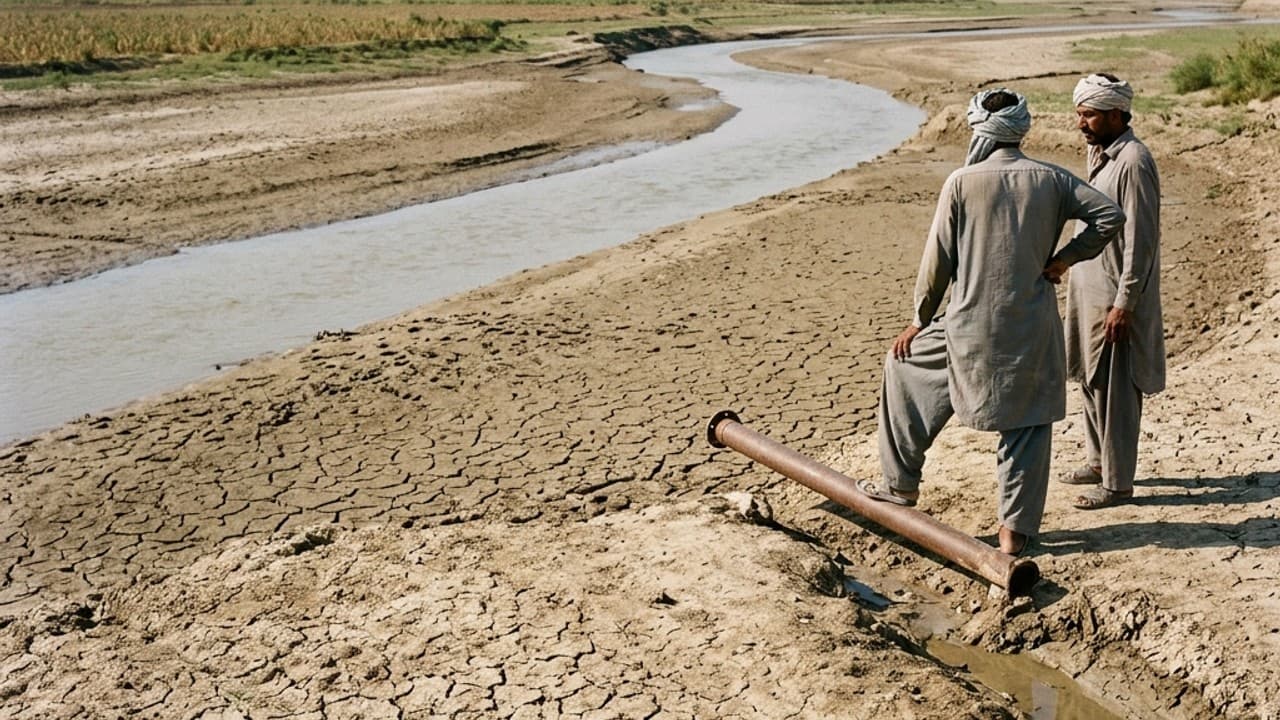
Water Minister, Experts Warn Indus Basin Shrinking at Alarming Rate
Pakistan's water minister and leading environmental experts have sounded a grave alarm over the accelerating contraction of the Indus basin, describing the river system as the country's lifeline and warning that its ongoing shrinkage poses an existential threat to agriculture, food security, and millions of livelihoods dependent on the waterway.
The warnings, delivered at a high-level forum under the Breathe Pakistan initiative, underscored the compound pressures of glacial retreat, reduced snowmelt, and mounting upstream water-use competition that are collectively diminishing the basin's seasonal flows. Experts noted that long-term projections indicate a structural decline rather than cyclical variability.
Officials emphasized that the Indus basin sustains approximately 80 percent of Pakistan's irrigated agriculture, making its degradation a direct threat to national food production. The forum called for urgent state intervention, including accelerated storage infrastructure, demand-side water efficiency mandates, and coordinated transboundary water diplomacy.
The Breathe Pakistan platform has increasingly drawn attention to the intersection of climate change and water resource management, framing the Indus crisis not merely as an environmental issue but as a sovereignty and economic stability concern requiring immediate policy prioritization at the federal and provincial levels.
Similar Stories
Background and related coverage on this story.

Dadu Records Pakistan's Highest Ever Temperature at 51.5 Celsius
Dadu district in Sindh has set a new maximum temperature record for Pakistan, with mercury climbing to 51.5 degrees Celsius, marking an extreme meteorological event that signals the intensifying impact of climate change on the country's lower Indus plain. The reading surpasses previous temperature benchmarks recorded in Pakistan and places Dadu among the hottest inhabited locations on earth this season.
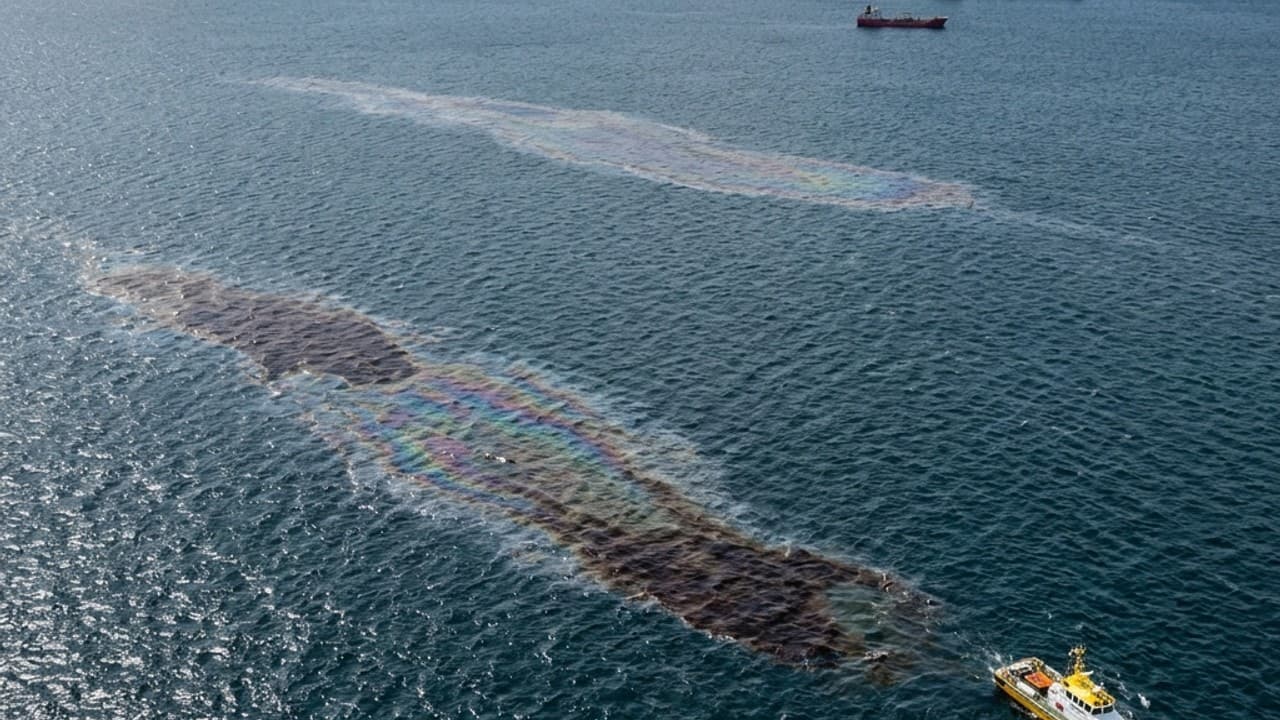
Second Oil Slick Near Iran Signals Growing Threat to Hormuz Corridor
A second suspected oil slick has been detected in waters near Iran, heightening alarm over a potential environmental and energy catastrophe in one of the world's most strategically critical maritime corridors. The development, reported on Sunday, follows an earlier slick in the same vicinity and has prompted urgent assessments from regional maritime authorities and international energy monitors.
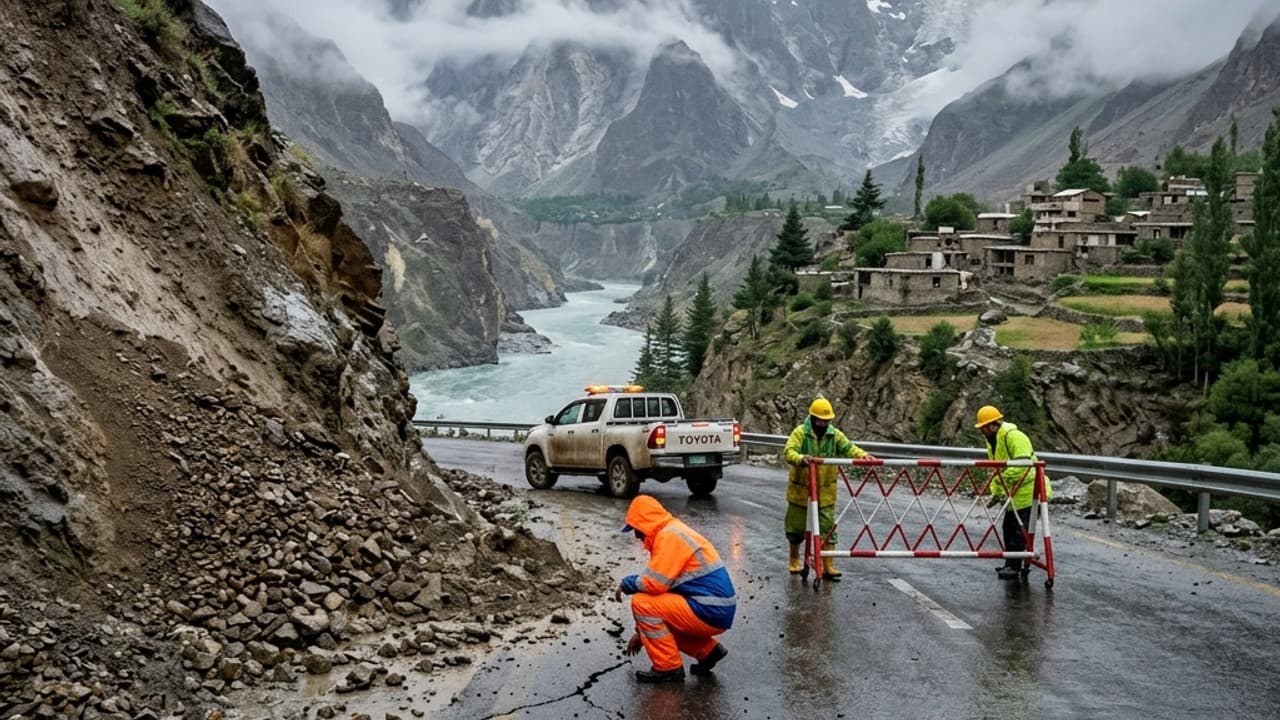
NDMA Issues Landslide Alert for Northern Pakistan Amid Rain and Glacier Melt
The National Disaster Management Authority has issued a high-priority landslide alert for Pakistan's northern regions, warning that a confluence of monsoon-season rainfall and accelerating glacial melt is sharply elevating the risk of destructive slides across mountainous terrain. NDMA has urged local administrations in vulnerable districts to activate emergency protocols, evacuate communities in high-risk zones, and maintain readiness to respond swiftly should major landslides occur along key highway corridors and river valleys.
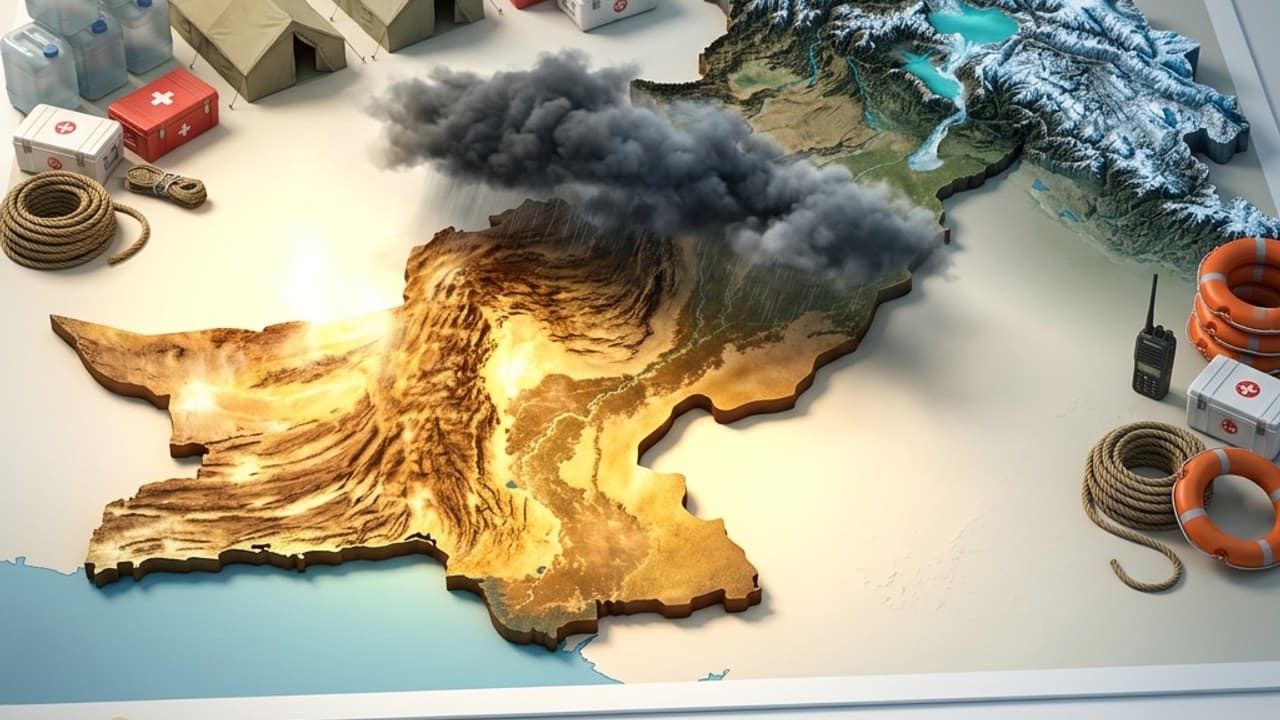
NDMA Warns of Heatwaves, Storms and GLOF Threats in First June Week
The National Disaster Management Authority has issued a multi-hazard warning covering the first week of June, alerting the public and provincial authorities to elevated risks from heatwaves, severe storms, and glacial lake outburst floods. The concurrent threat landscape across different regions of Pakistan represents a significant seasonal disaster management challenge.
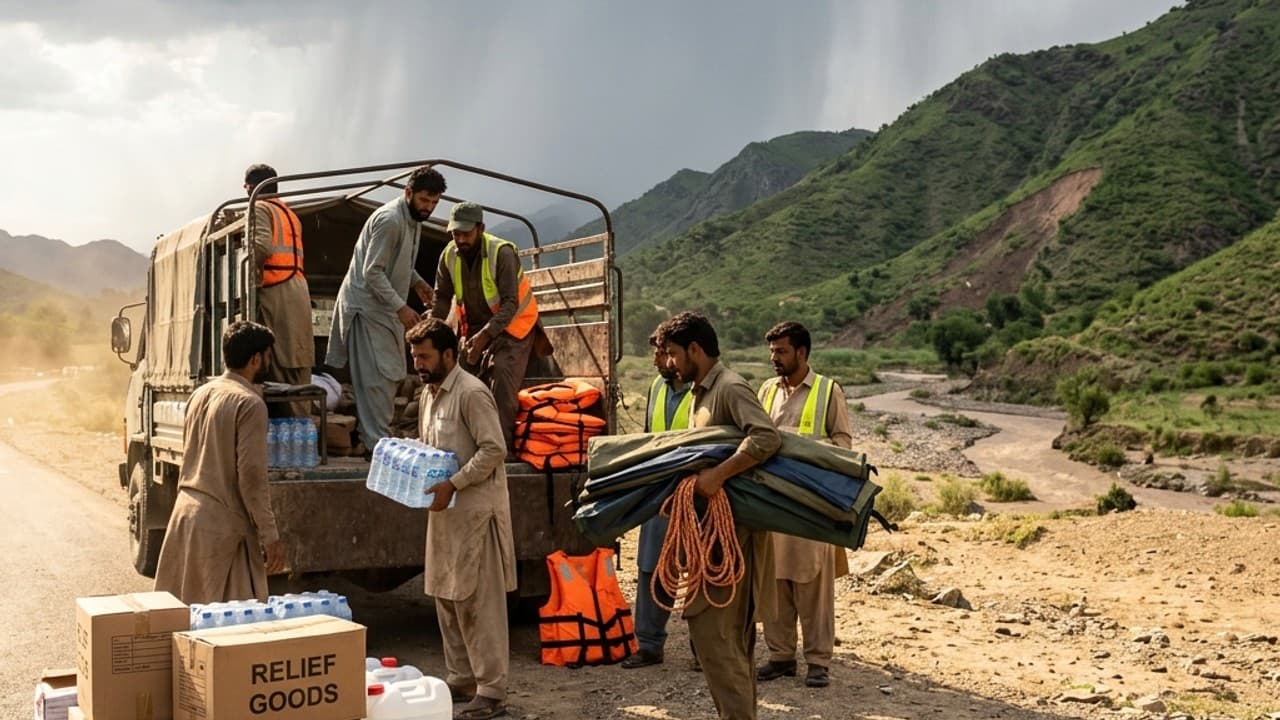
NEOC Issues Nationwide Alert for Heatwave, Floods, Landslides Through May 31
The National Emergency Operations Centre has issued a nationwide multi-hazard alert covering the period from May 26 to May 31, warning of concurrent threats from a severe heatwave, flash flooding, and landslides across multiple regions of Pakistan. The alert represents one of the broadest disaster preparedness warnings issued in the current season.
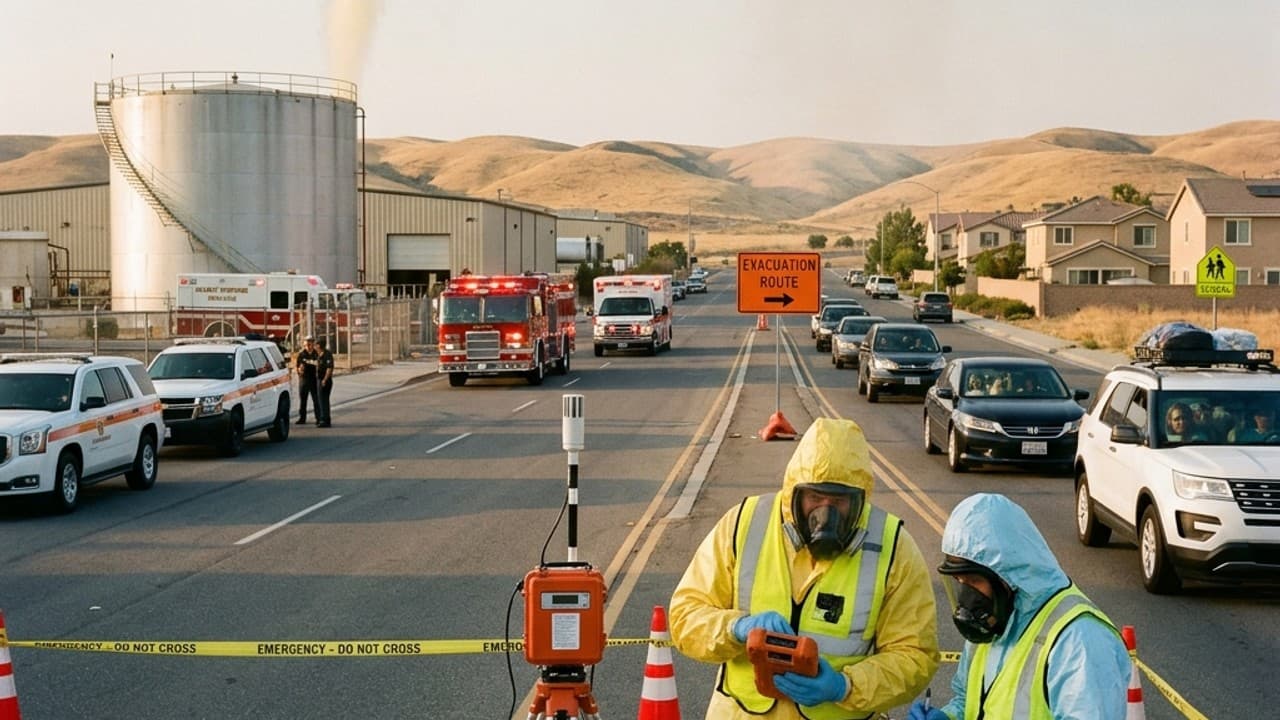
Thousands Evacuated as Chemical Tank Leaks Toxic Substance in California
Thousands of residents have been ordered to evacuate the area surrounding a leaking industrial chemical storage tank in California, as emergency authorities worked to contain the release and prevent further environmental contamination. Local hazmat units and fire services established exclusion zones while assessing the scale and nature of the chemical discharge.