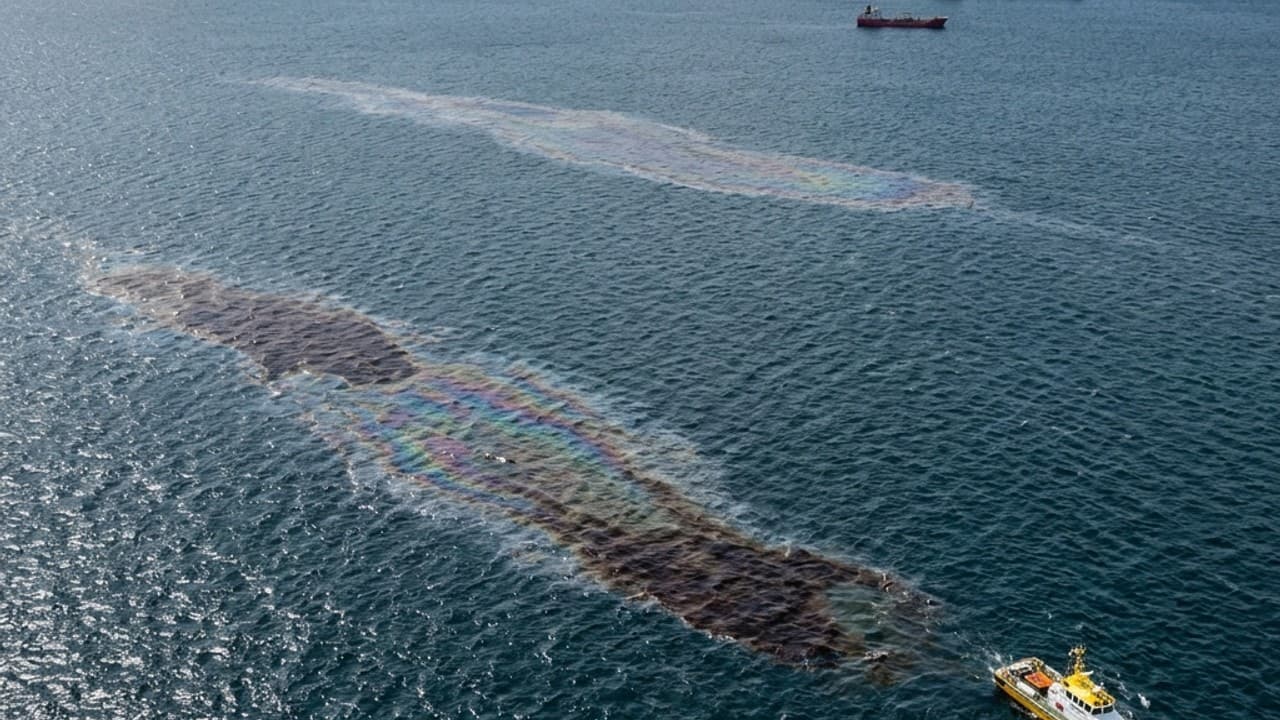
Second Oil Slick Near Iran Signals Growing Threat to Hormuz Corridor
A second suspected oil slick has been detected in waters near Iran, heightening alarm over a potential environmental and energy catastrophe in one of the world's most strategically critical maritime corridors. The development, reported on Sunday, follows an earlier slick in the same vicinity and has prompted urgent assessments from regional maritime authorities and international energy monitors.
The Strait of Hormuz and its surrounding waters serve as the conduit for roughly one-fifth of global oil supplies, making any sustained pollution or navigational disruption there a matter of immediate international consequence. The appearance of a second slick compounds concerns that an uncontrolled or unacknowledged leak from a vessel or underwater infrastructure may be under way.
Neither Iranian authorities nor international maritime organisations had formally confirmed the source of the slicks at the time of reporting. Satellite imagery analysis and aerial surveillance were understood to be under way to determine the origin, scale, and trajectory of the discharge.
Energy markets were watching the situation closely, given the corridor's centrality to global oil logistics. Any confirmation of significant spillage or damage to tanker traffic could trigger supply anxiety and upward pressure on crude prices. Environmental agencies have flagged the risk to marine ecosystems in the Gulf, which are already under considerable ecological stress.
Similar Stories
Background and related coverage on this story.
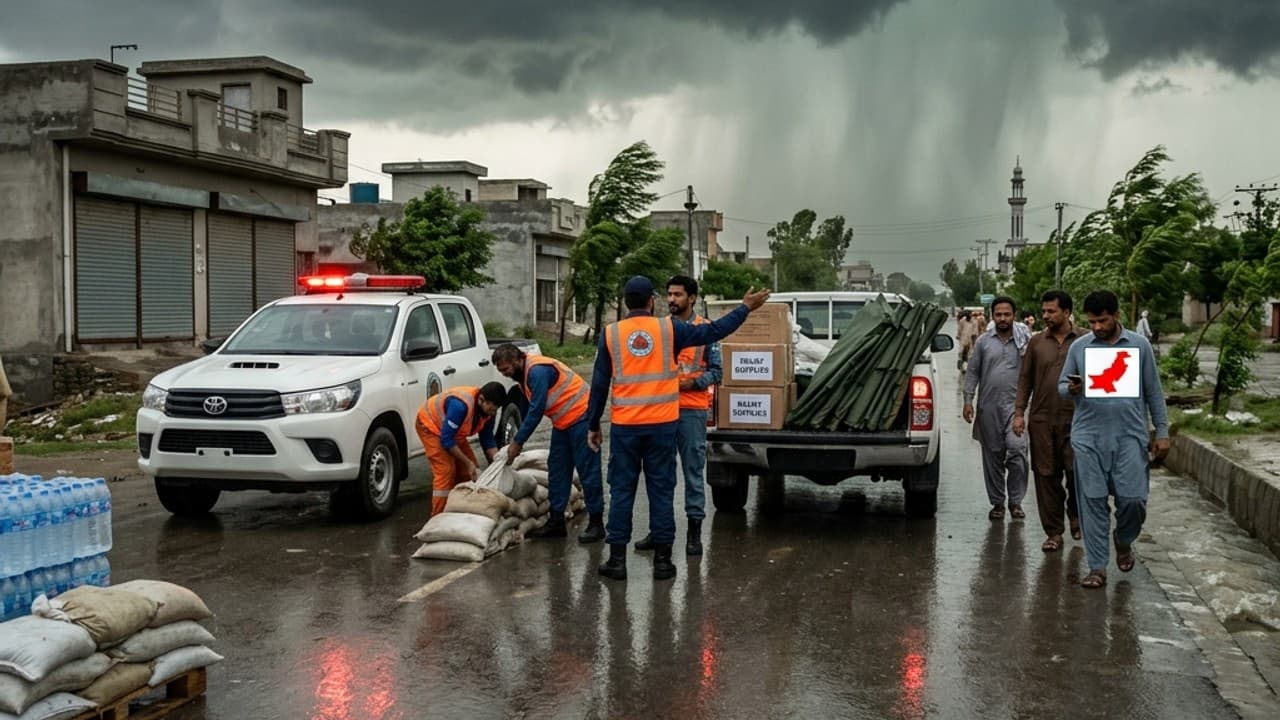
NDMA Issues Red Alert for Powerful Storm System Across Pakistan
The National Disaster Management Authority on Sunday raised a red flag warning over an approaching powerful storm system expected to impact multiple regions of Pakistan, urging authorities and the public to take immediate precautionary measures. NDMA's alert cited forecasts of severe weather including strong winds, heavy rainfall, and potential flash flooding across vulnerable zones.

Karachi Gripped by Severe Heatwave as Temperatures Soar
Karachi is enduring a severe heatwave with temperatures significantly above seasonal averages, placing millions of residents under acute heat stress and raising urgent concerns about public health, electricity grid stability, and water availability in Pakistan's largest urban centre. Meteorological authorities have issued heat alerts as conditions are forecast to persist for several days.

5.2 Magnitude Earthquake Strikes Islamabad and Rawalpindi
A 5.2 magnitude earthquake struck the twin cities of Islamabad and Rawalpindi on Monday, sending tremors through residential and commercial areas and prompting residents to evacuate buildings. The quake was felt widely across the capital territory and adjoining areas, with initial reports indicating no major structural damage or casualties at the time of filing.
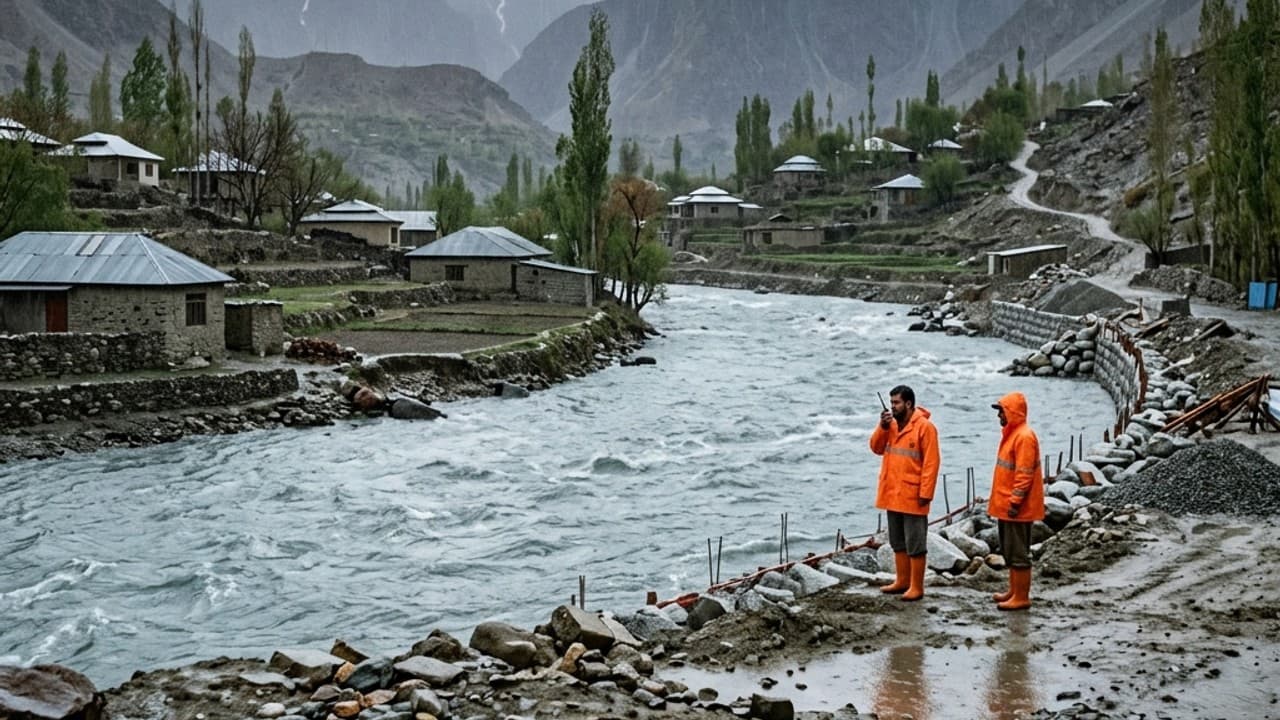
PMD Issues GLOF Alert as Westerly Wave Hits GB and KP
Pakistan's Meteorological Department has issued a Glacial Lake Outburst Flood alert for Gilgit-Baltistan and Khyber Pakhtunkhwa following the arrival of a powerful westerly wave bringing significant rainfall to both mountainous regions. The advisory warns communities in low-lying valleys and riverine areas to remain on high alert as rapidly melting snow combined with heavy precipitation creates conditions conducive to glacial lake breaches.
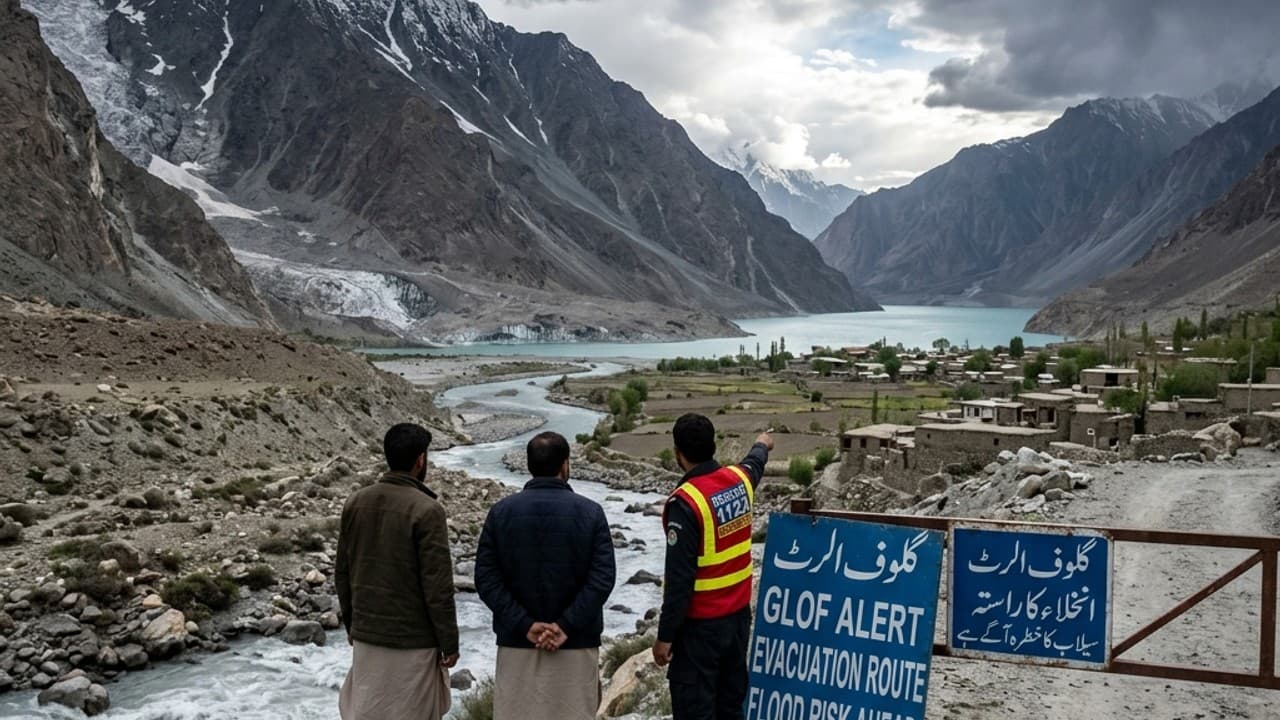
PDMA Issues GLOF Alert for Upper Pakistan Amid Westerly Wave
The Provincial Disaster Management Authority has issued a Glacial Lake Outburst Flood alert for upper regions of Pakistan following the onset of a moderate westerly weather wave, authorities announced Saturday. The alert signals elevated risk of flash flooding from glacial melt and unstable high-altitude water bodies across vulnerable mountain zones.
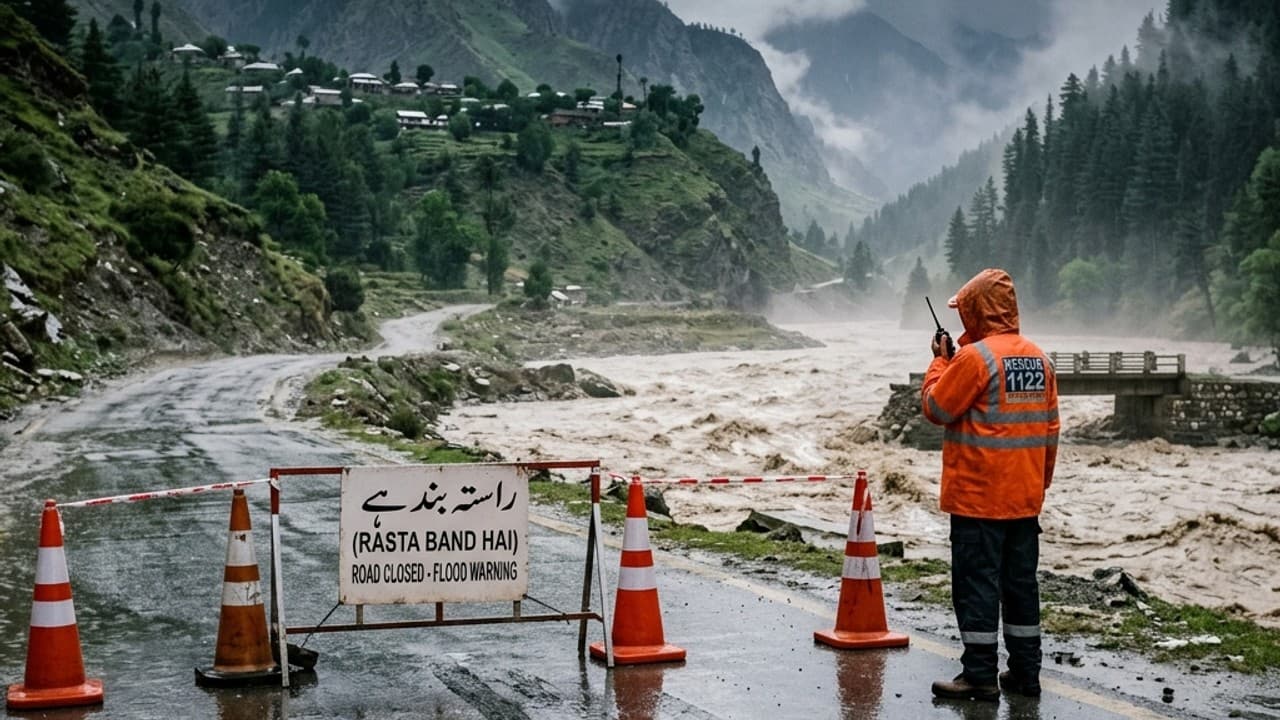
NDMA Issues Storm and Flood Warning for Northern Pakistan Through May 5
The National Disaster Management Authority has issued a formal multi-hazard weather advisory warning of thunderstorms, hailstorms, and an elevated risk of flash flooding across northern Pakistan from May 2 through May 5. The alert covers vulnerable mountain districts where rapid weather changes pose acute risks to communities, infrastructure, and road connectivity.