Zelenskyy Warns of Intensified Russian Daytime Drone Strikes on Ukraine
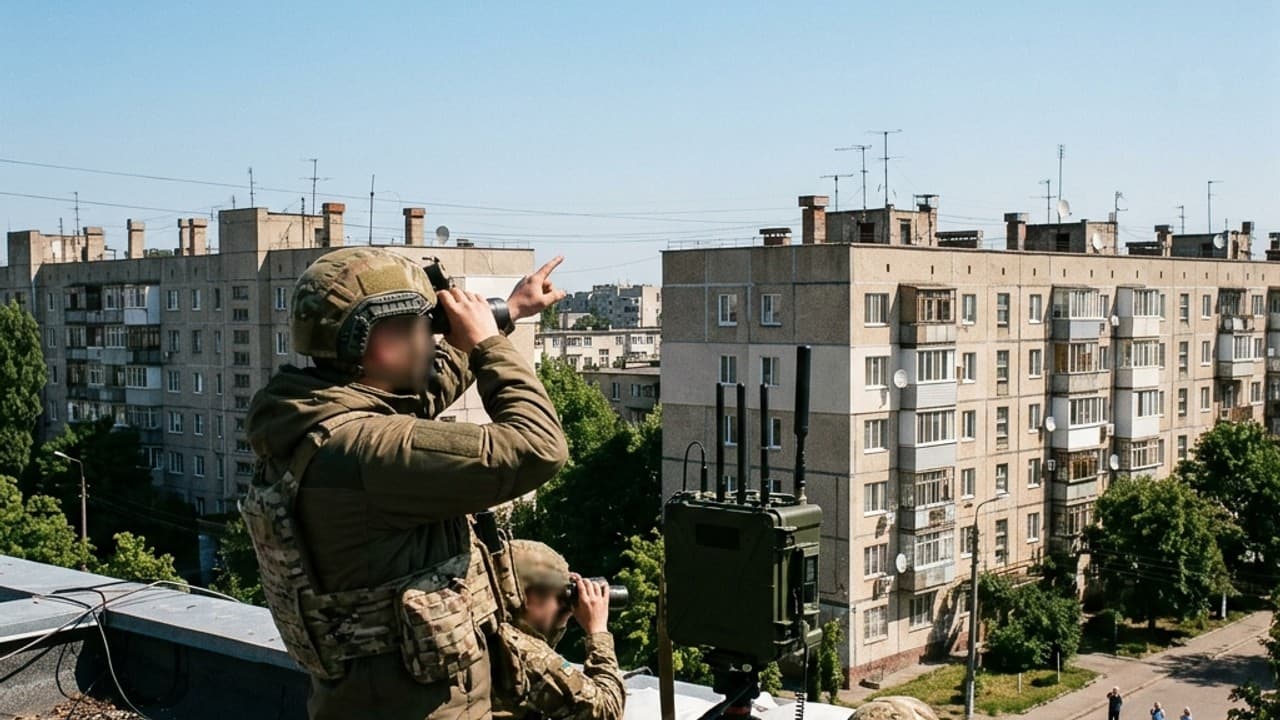
Ukrainian President Volodymyr Zelenskyy warned on Wednesday of escalating Russian drone attacks being conducted during daylight hours, marking a tactical shift by Moscow that presents new challenges for Ukrainian air defence systems designed partly around overnight threat patterns. The warning underscores the continuing intensity of the aerial campaign against Ukrainian territory.
Daytime drone strikes introduce additional civilian risk and complicate the operational calculus for air defence units that have developed specific protocols for low-visibility nocturnal engagements. Zelenskyy's public warning is partly intended to maintain international attention on the continued military pressure Ukraine faces despite ongoing diplomatic discussions.
The escalation comes at a sensitive moment in the broader war narrative, with diplomatic channels around the conflict remaining active but inconclusive. Ukraine continues to seek advanced air defence systems from Western partners to counter the evolving drone threat, arguing that current capabilities are being stretched by Russia's tactical adaptations.
The intensification of drone campaigns reflects a broader Russian strategy of sustained pressure on Ukrainian infrastructure and civilian morale. International observers have noted that the shift to daytime operations represents a calculated escalation intended to test both Ukrainian defences and Western resolve to sustain support.
Similar Stories
Background and related coverage on this story.
Russia Launches Large-Scale Air Attack on Ukrainian Infrastructure
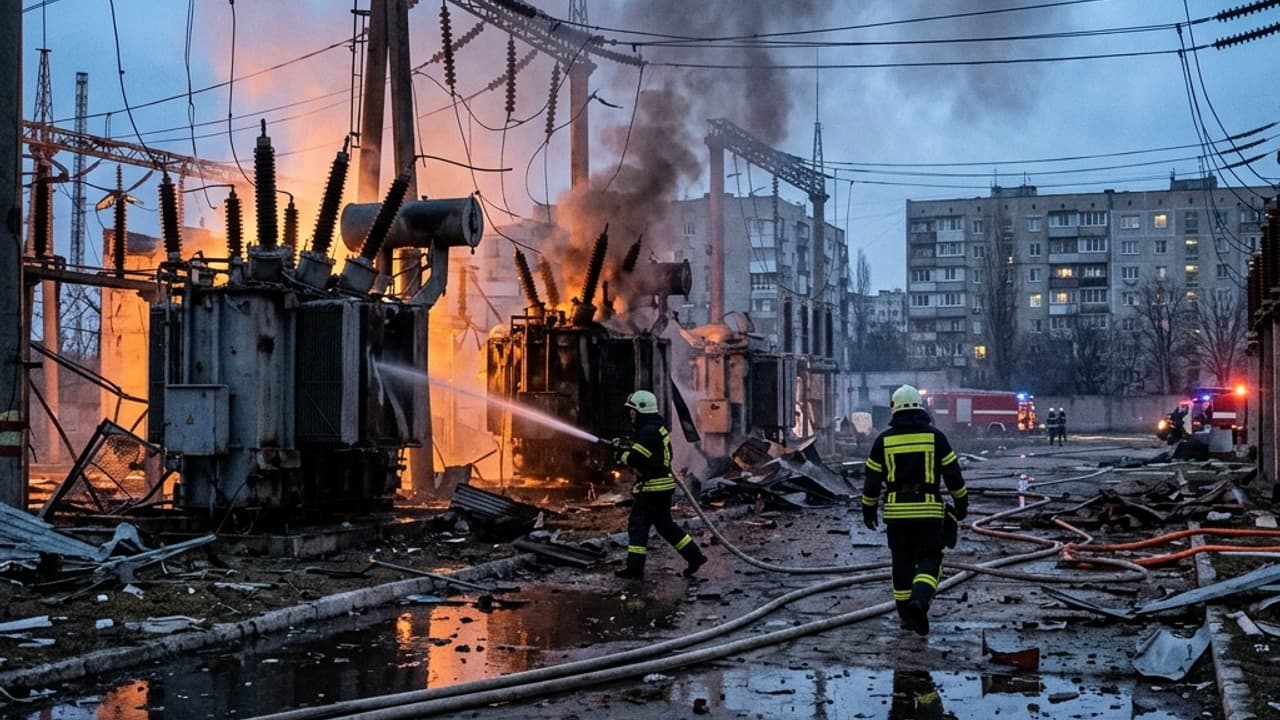
Russia launched a major air attack targeting Ukrainian infrastructure on Wednesday, according to Ukrainian military intelligence. The strike represents one of the more significant aerial bombardments in the ongoing conflict, with early reports indicating damage to critical civilian and energy installations.
Wave of Terrorist Attacks Kills 23 Across Khyber Pakhtunkhwa
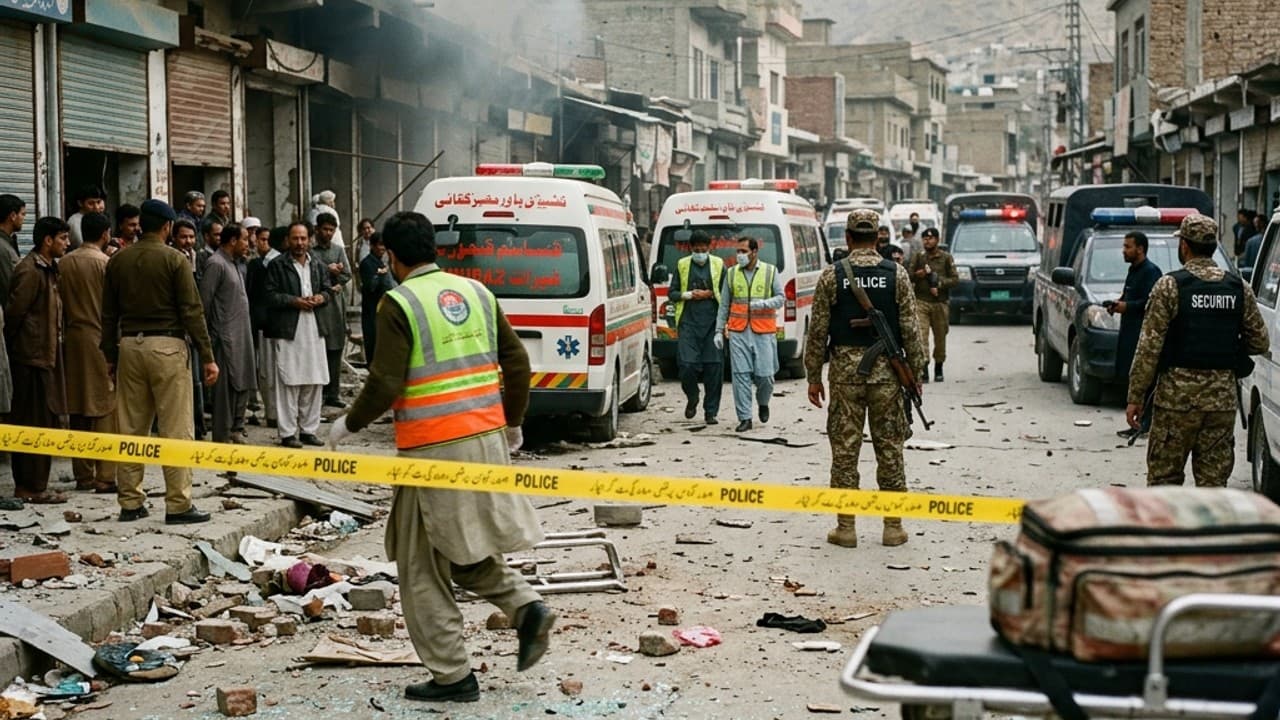
A coordinated wave of terrorist attacks struck multiple locations across Khyber Pakhtunkhwa on Wednesday, leaving at least 23 people dead and dozens more injured in one of the province's deadliest mass-casualty events in recent months. The attacks, occurring in rapid succession, have triggered emergency responses from provincial and federal security authorities.
Putin Announces Russia Will Deploy New Sarmat Nuclear Missile in 2026
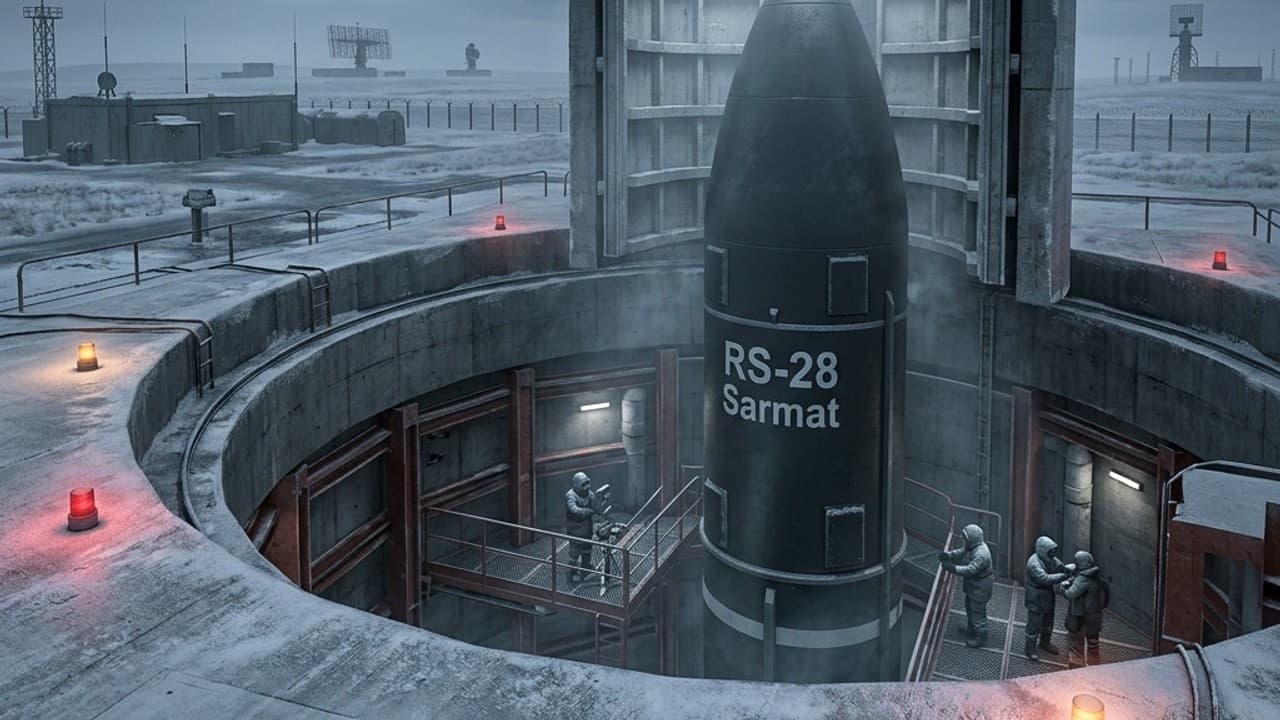
Russian President Vladimir Putin has declared that Russia will deploy its new Sarmat intercontinental ballistic missile during the current year, in a statement that carries significant implications for global nuclear deterrence architecture. The Sarmat, designated RS-28, is among the world's most capable nuclear delivery systems and represents Moscow's most advanced strategic weapon in its arsenal.

US War in Iran Has Cost $29 Billion, Pentagon Confirms
The United States Pentagon has confirmed that American military operations in Iran have cost $29 billion to date, providing the first official quantification of the financial burden of the conflict. The disclosure marks a significant moment of institutional transparency and is expected to intensify domestic debate in Washington over the fiscal and strategic sustainability of the war.
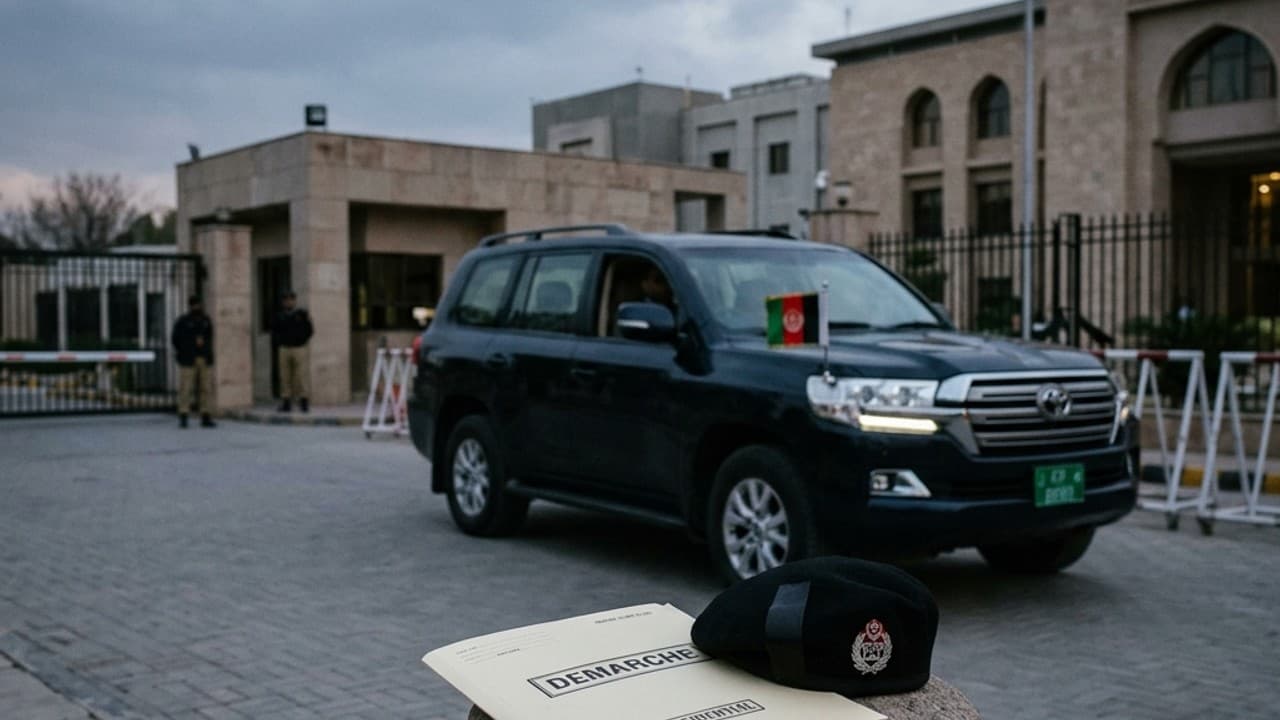
Pakistan summons Afghan envoy after 15 officers killed in Bannu suicide attack
Pakistan on Monday issued a formal demarche to Afghanistan and summoned the Afghan Chargé d'Affaires following a devastating suicide attack in Bannu, Khyber Pakhtunkhwa, that killed at least 15 police personnel. The Foreign Office held Kabul accountable for allowing militant networks to operate from Afghan soil, marking one of the sharpest diplomatic rebukes Pakistan has issued to Afghanistan in recent months.
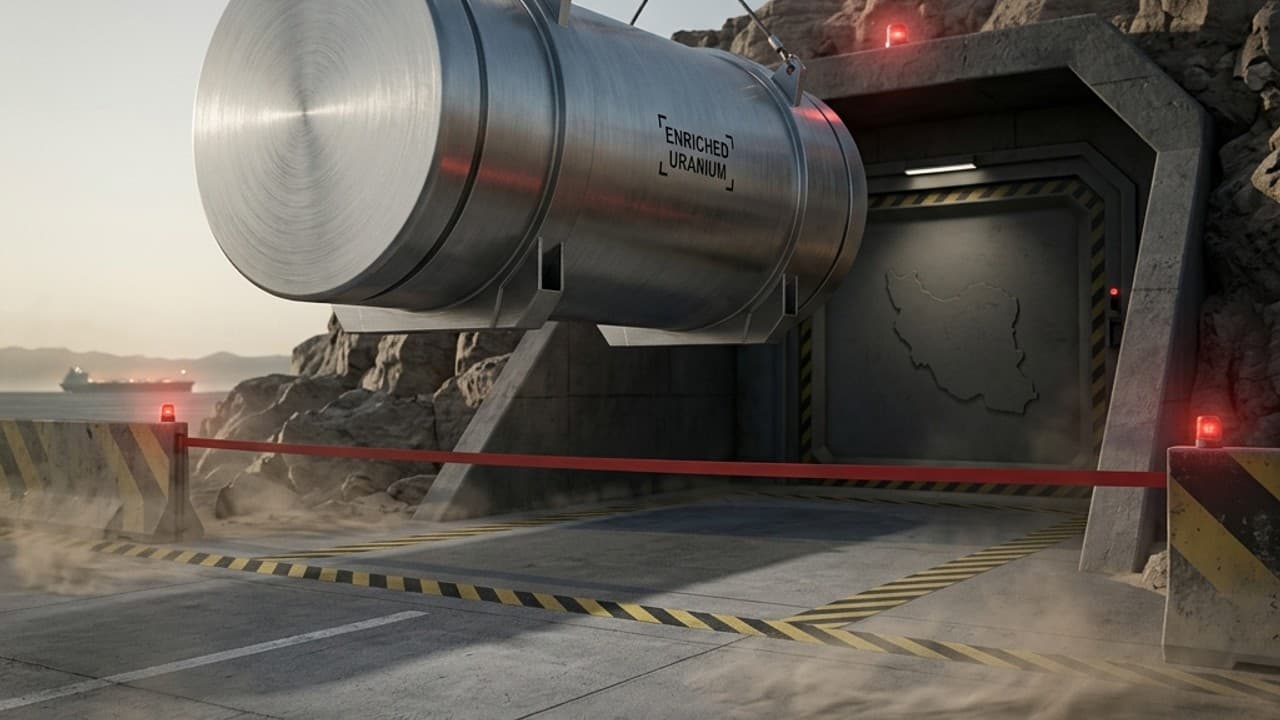
Netanyahu Warns Iran War Not Over, Demands Uranium Removal
Israeli Prime Minister Benjamin Netanyahu declared Sunday that the war with Iran is far from over, insisting that Iran's enriched uranium must be removed as a non-negotiable condition for any resolution to the ongoing conflict. The statement marks a significant hardening of Israel's public position and signals that diplomatic off-ramps remain narrow despite international pressure for de-escalation.