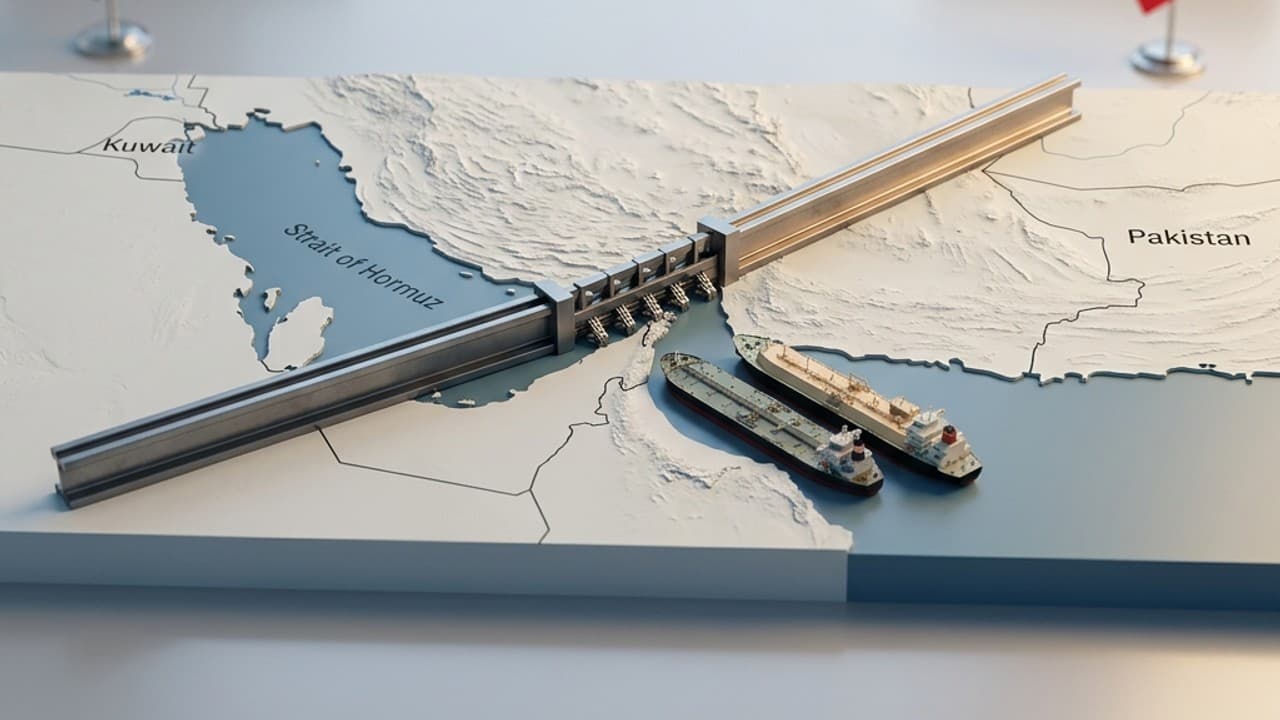
DPM Dar, Kuwait FM Discuss Hormuz Closure Impact on Global Economy
Deputy Prime Minister and Foreign Minister Ishaq Dar held high-level consultations with Kuwaiti Foreign Minister Al-Sabah on Wednesday, focusing on the wider economic and geopolitical implications of the Strait of Hormuz closure on global trade and energy supplies. The talks reflect growing regional and international concern over the strategic waterway's shutdown.
The Strait of Hormuz is one of the world's most critical chokepoints, through which a substantial share of global oil and liquefied natural gas exports transits. Its closure carries severe implications for energy prices, shipping routes, and the economic stability of import-dependent nations including Pakistan.
Dar and Al-Sabah are understood to have exchanged positions on coordinated diplomatic responses, the need for international engagement to restore navigability, and the humanitarian and commercial consequences for Gulf and South Asian economies. Pakistan, which relies heavily on Gulf energy and remittance flows, has a direct stake in the situation.
The bilateral meeting is part of intensifying diplomatic activity in the region as major powers and neighbouring states seek to assess and respond to the fallout from the Hormuz disruption. Islamabad's engagement with Kuwait signals its intent to remain an active voice in multilateral efforts to address the crisis.
Similar Stories
Background and related coverage on this story.
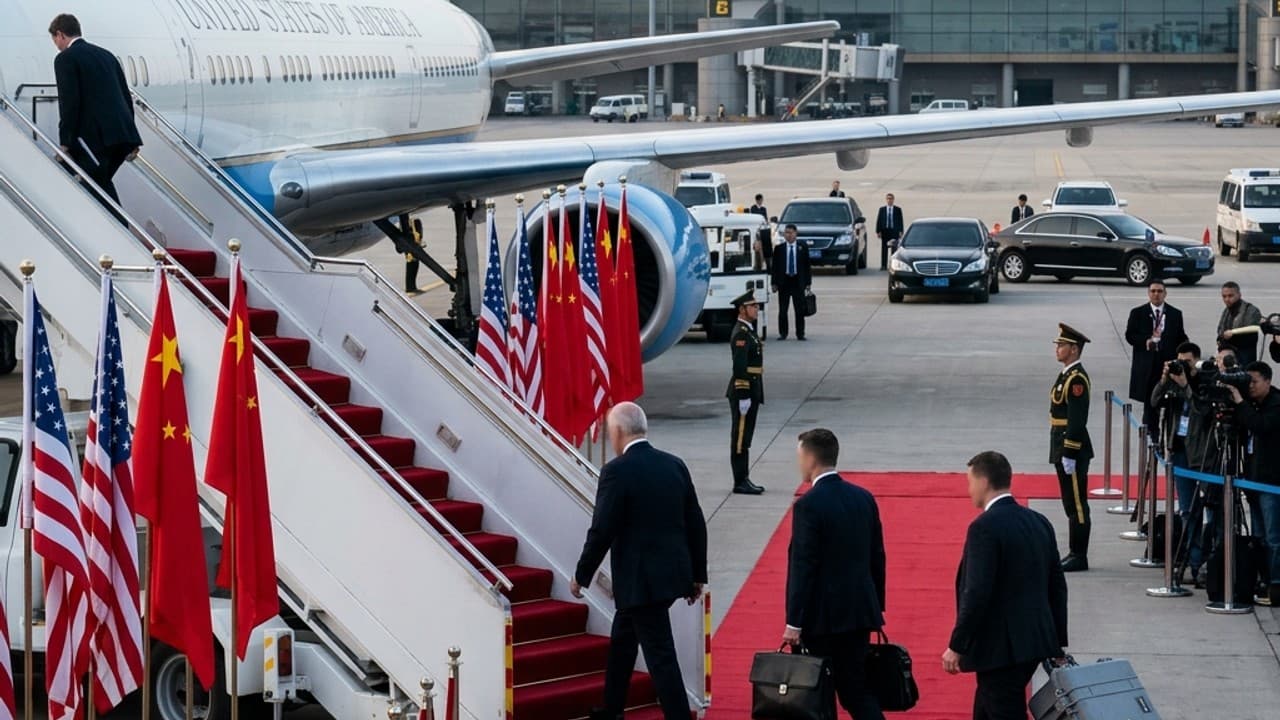
Trump Arrives in Beijing for High-Stakes Summit with Xi
United States President Donald Trump has arrived in Beijing for a high-stakes summit with Chinese President Xi Jinping, marking one of the most consequential bilateral meetings in recent years. The visit comes amid ongoing trade tensions between the world's two largest economies, with both sides expected to weigh significant tariff reductions as part of a broader managed trade framework.
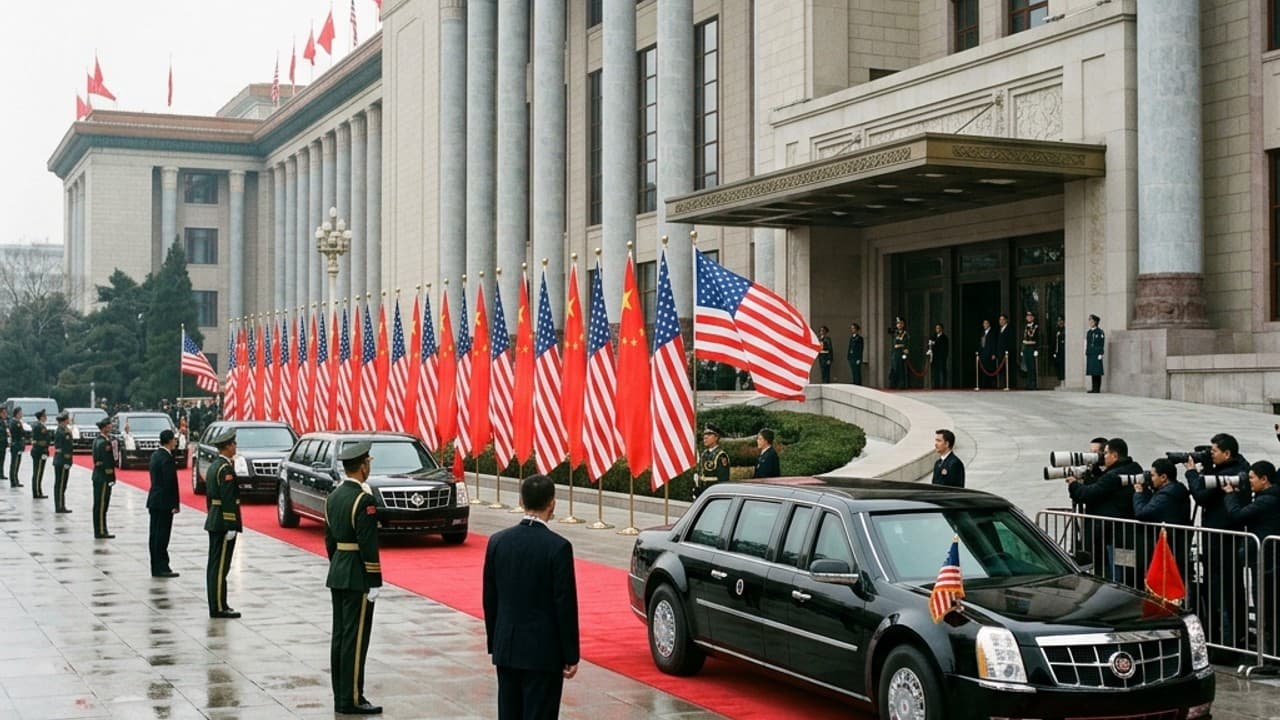
Trump Travels to Beijing for High-Stakes Talks With Xi Jinping
United States President Donald Trump is travelling to Beijing for a summit with Chinese President Xi Jinping in what represents the most consequential bilateral engagement between the world's two largest economies in years. The talks are expected to cover a sweeping agenda including trade dispute resolution, Taiwan's political status, and a range of technology and security flashpoints that have pushed US-China relations to a breaking point.
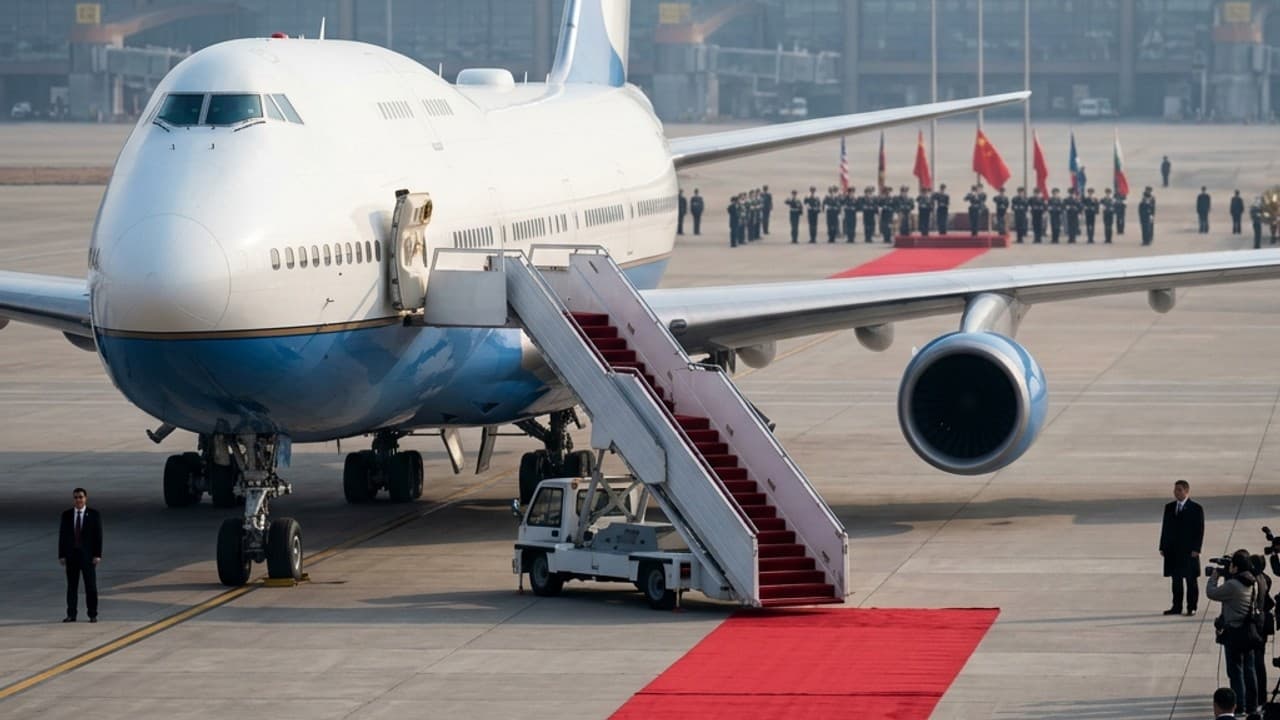
Trump Arrives in China for High-Stakes State Visit
United States President Donald Trump is due in China on Wednesday for a landmark state visit that carries enormous geopolitical and economic weight, arriving at a moment of acute tension between the world's two largest economies. The visit marks a rare instance of direct high-level engagement between Washington and Beijing amid ongoing trade disputes, technology restrictions, and competing strategic ambitions in the Indo-Pacific region.
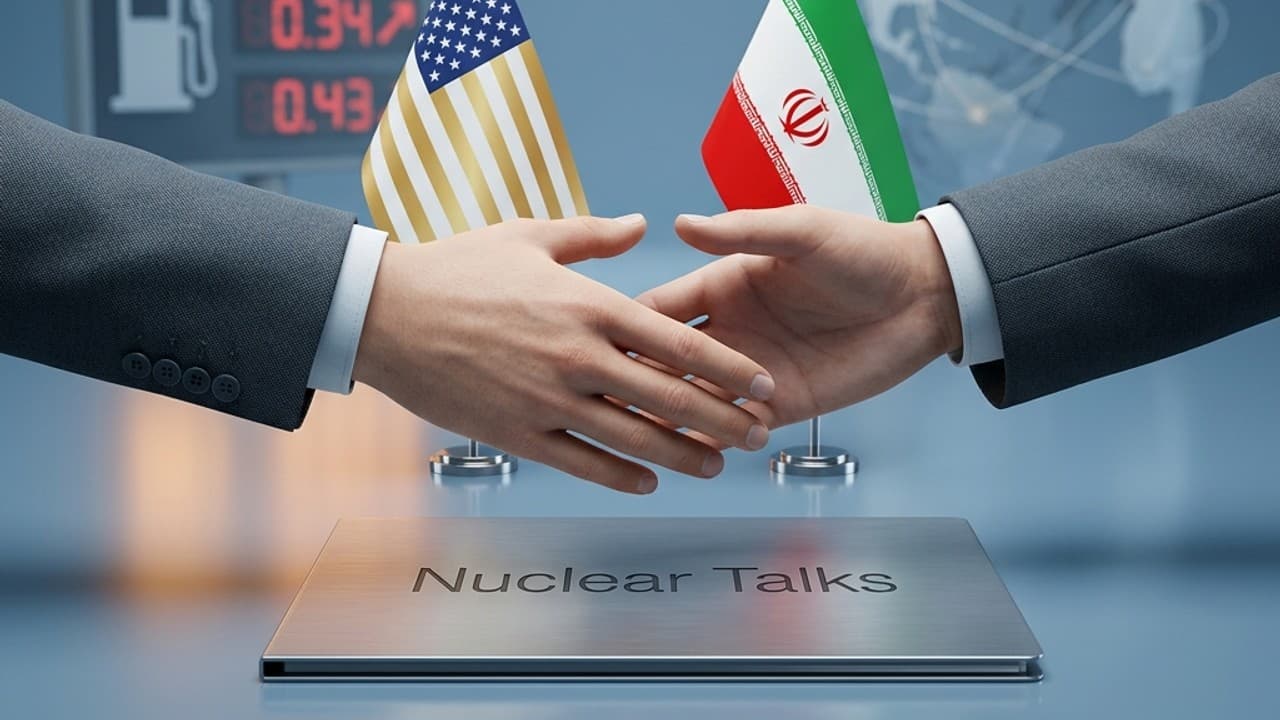
Vance Says US Making Tangible Progress in Iran Nuclear Talks
United States Vice President JD Vance has stated that Washington is making meaningful progress in ongoing diplomatic negotiations with Iran, signalling a potential shift in the fraught bilateral relationship that has been complicated by active military tensions between the two nations. Vance's remarks come as the US-Iran conflict continues to exert pressure on global energy markets, with oil prices elevated and lawmakers in Washington debating emergency fiscal relief measures including a gas tax holiday to cushion domestic consumers from the economic fallout.
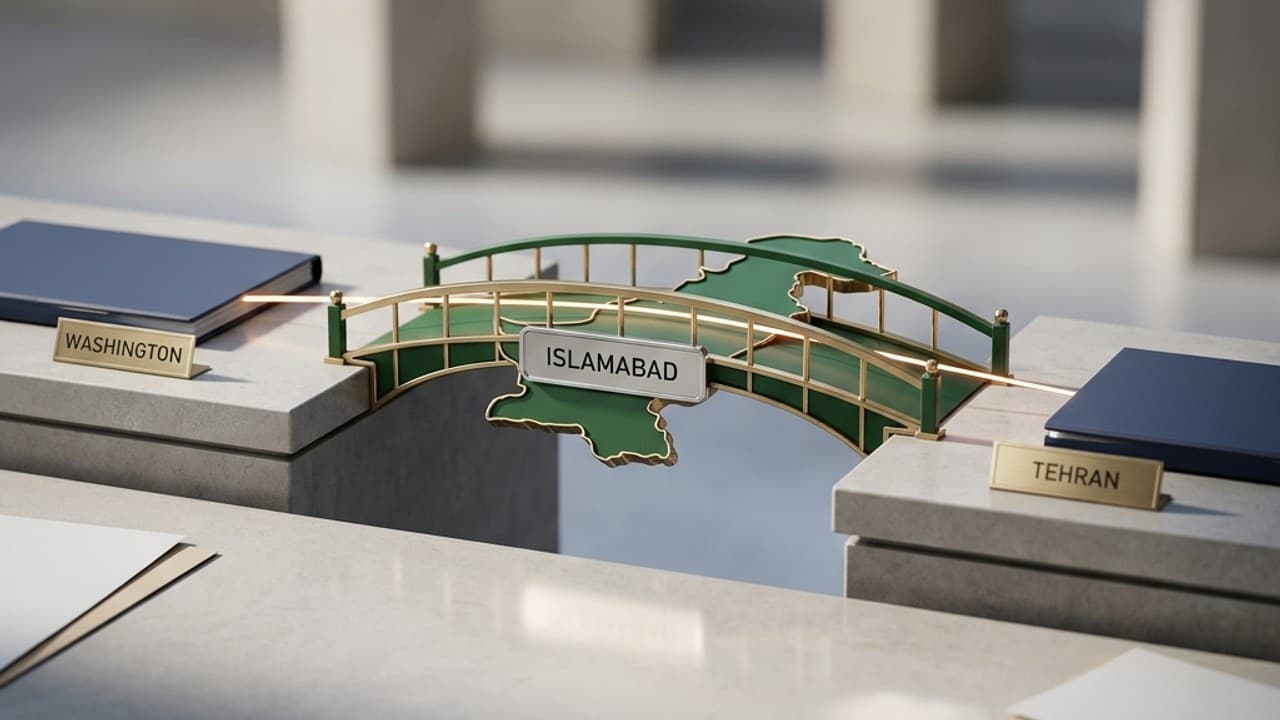
Trump Praises Pakistan's Role in Facilitating US-Iran Diplomatic Dialogue
United States President Donald Trump has publicly praised Pakistan's mediatory role in facilitating dialogue between Washington and Tehran, describing Pakistan with characteristic informality as 'great' in remarks that represent a significant diplomatic endorsement of Islamabad's regional bridging function. Trump's acknowledgement positions Pakistan as an active interlocutor in one of the most consequential diplomatic tracks currently underway, as the United States and Iran navigate nuclear and regional security tensions through indirect and increasingly direct channels.

Netanyahu Held Secret Meeting With UAE President, Confirms PM Office
Israeli Prime Minister Benjamin Netanyahu's office has confirmed that he held a covert meeting with the President of the United Arab Emirates, in a disclosure that underscores the deepening but often opaque diplomacy between Israel and Gulf Arab states amid ongoing regional tensions. The meeting, described as secret until the Israeli Prime Minister's Office issued confirmation, marks a notable moment in the post-Abraham Accords relationship between the two countries.