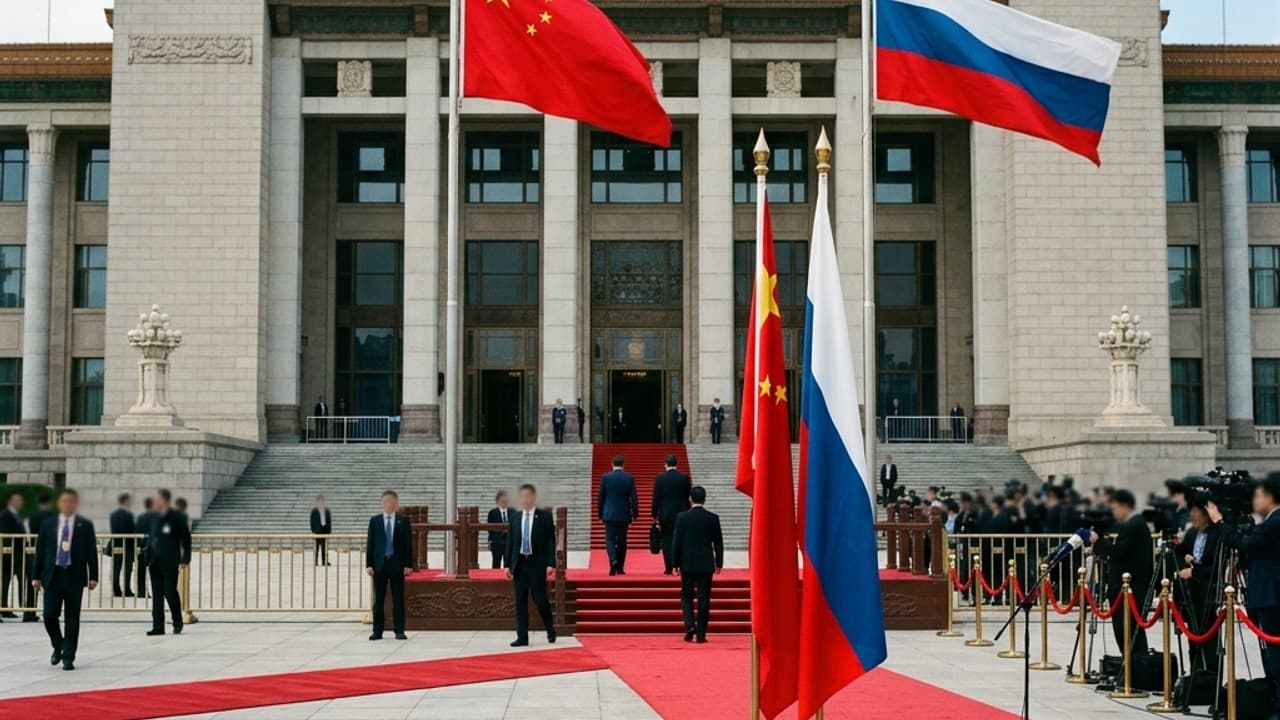
Putin and Xi Declare 'Unyielding' Ties in Beijing Talks After Trump Visit
Russian President Vladimir Putin and Chinese President Xi Jinping have declared their bilateral relationship to be built on 'unyielding' foundations following high-level talks in Beijing, a meeting that carries unmistakable strategic significance given its timing immediately after US President Donald Trump's visit to the region.
The two leaders used carefully chosen language to signal that the Sino-Russian partnership remains robust and insulated from external diplomatic pressure. The summit is widely interpreted as a coordinated geopolitical signal directed at Washington, affirming that neither Moscow nor Beijing intends to recalibrate its bilateral posture in response to American overtures.
The talks covered a broad range of strategic, economic, and security issues. Both sides are expected to deepen energy trade, military-technical cooperation, and coordination on multilateral forums including the United Nations Security Council and the Shanghai Cooperation Organisation.
The meeting reinforces a pattern of deliberate counter-positioning by Russia and China whenever Washington pursues major diplomatic initiatives in the Indo-Pacific or broader Eurasian space. Analysts regard the Beijing summit as a direct response to the strategic messaging of Trump's regional tour, with both Moscow and Beijing seeking to project unified resolve.
Similar Stories
Background and related coverage on this story.
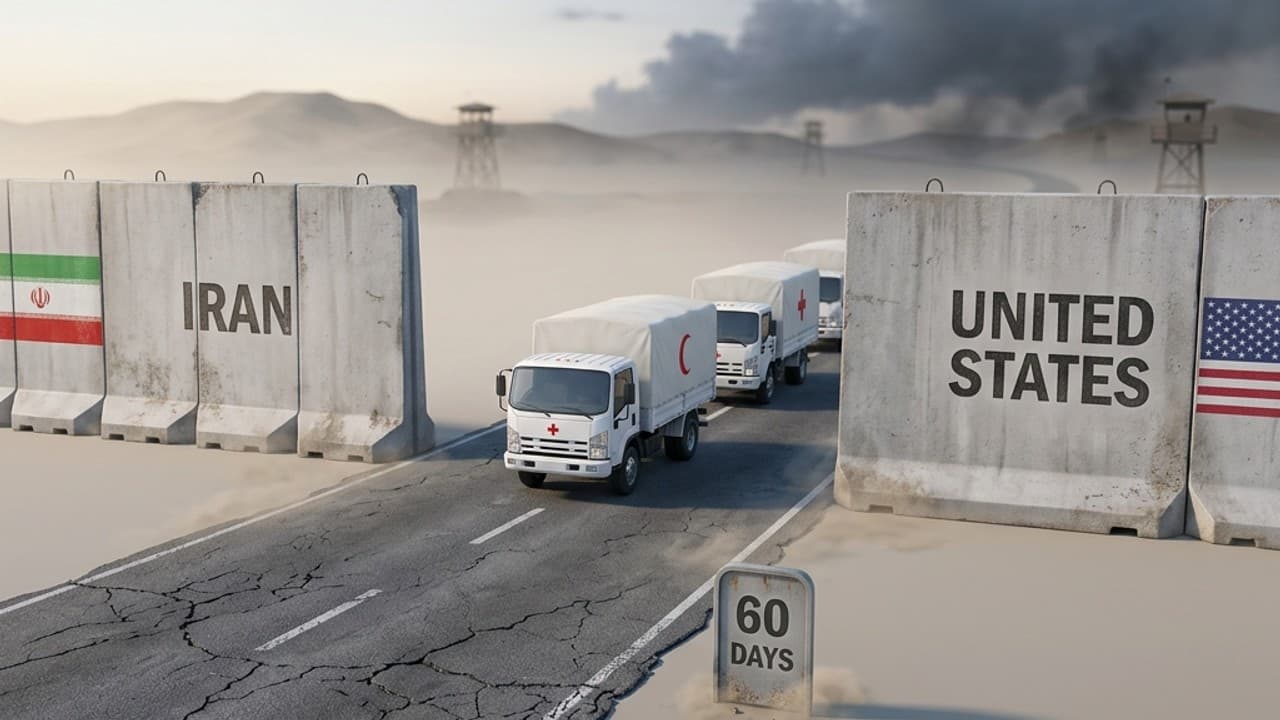
Iran and US Agree Plan for 60-Day Ceasefire Extension
Iran and the United States have reached a tentative agreement on a framework to extend the existing ceasefire by 60 days following the latest wave of military attacks, diplomatic sources confirmed. The agreement marks a significant, if fragile, step in de-escalating one of the most volatile confrontations in the Middle East in recent years.
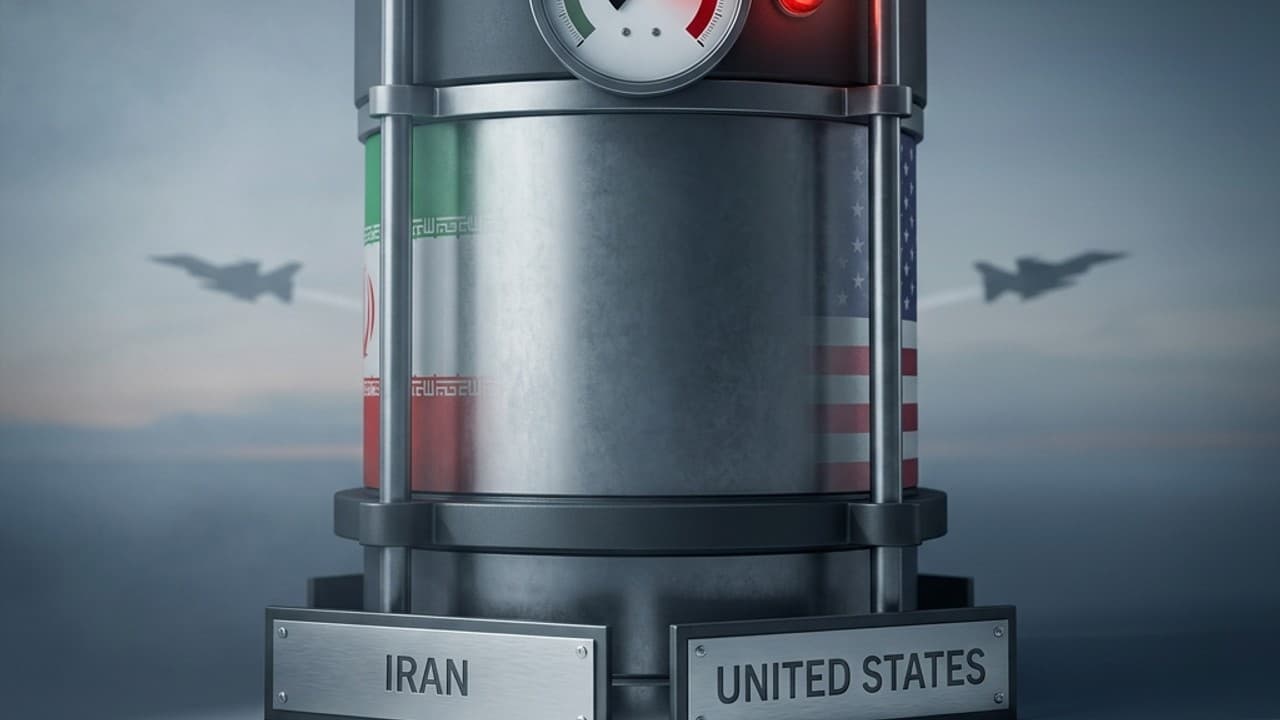
Iran Issues Nuclear Ultimatum as Military Tensions With US Intensify
Iran has issued a blunt nuclear ultimatum as tensions with the United States reached a new peak, with the confrontation marking one of the most dangerous flashpoints in relations between Tehran and Washington in years. The development comes amid reports of mutual airstrike exchanges that have dramatically elevated the risk of broader regional conflict.
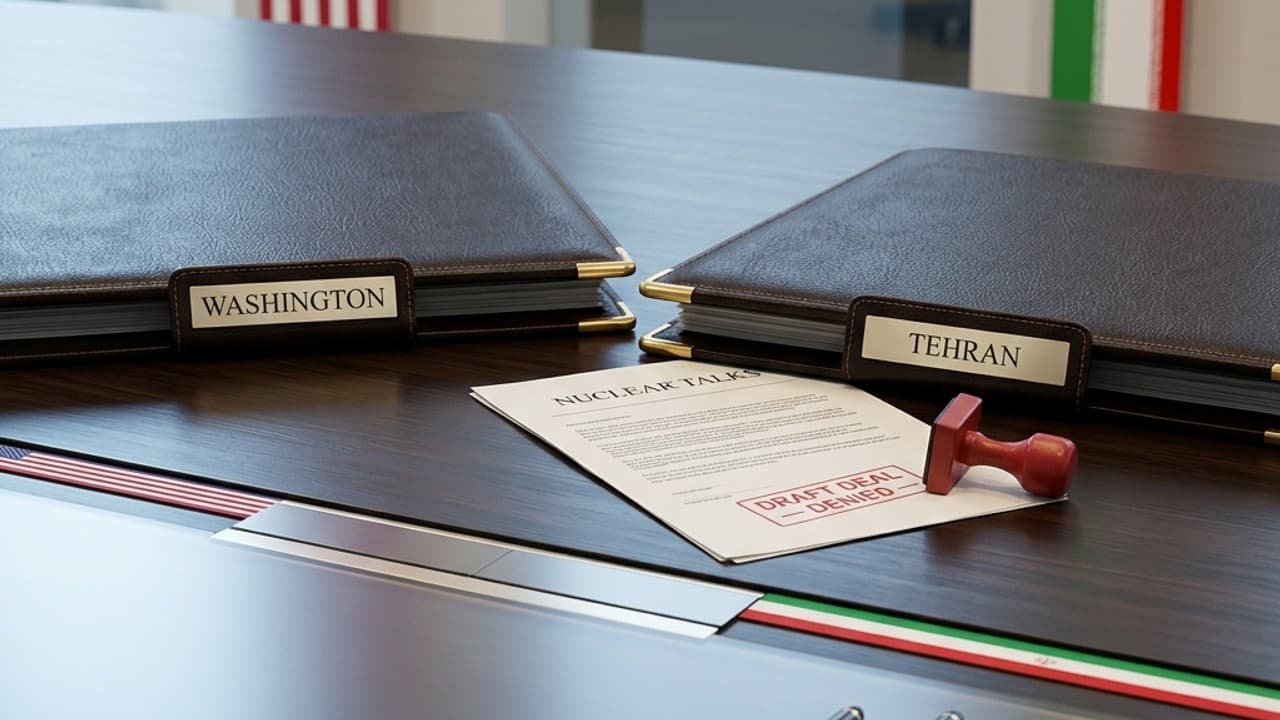
Trump Cabinet Signals Iran Nuclear Deal Progress Within Days
Senior members of the Trump administration expressed cautious optimism on Wednesday, signalling that a potential nuclear agreement with Iran could materialise within hours or days, as diplomatic talks entered a critical phase. Cabinet officials publicly indicated forward momentum in negotiations, raising expectations of a breakthrough in one of the most consequential diplomatic undertakings of the administration.
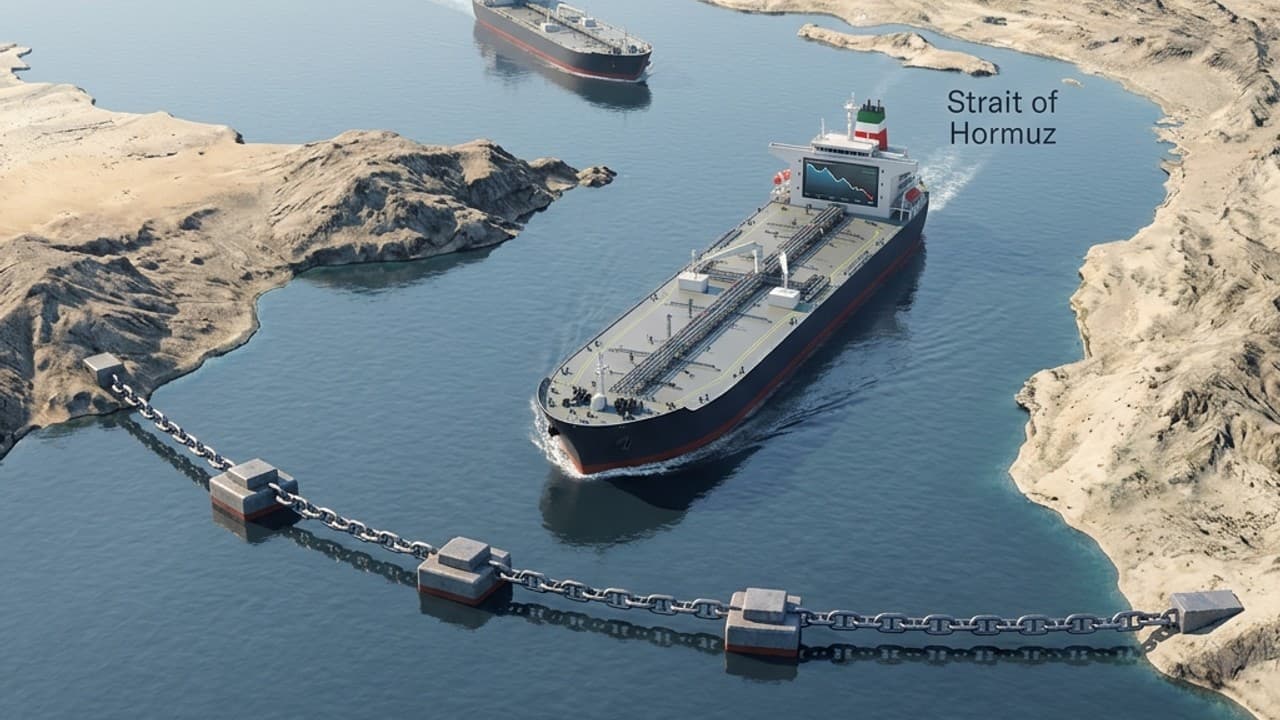
Iran Says Draft Nuclear Deal Would Reopen Strait of Hormuz Shipping
Iranian officials have stated that a draft agreement under negotiation with the United States would result in the reopening of the Strait of Hormuz to international shipping and the lifting of a naval blockade that has disrupted global energy flows. The disclosure represents the most substantive public signal yet of progress in the ongoing talks between Washington and Tehran.
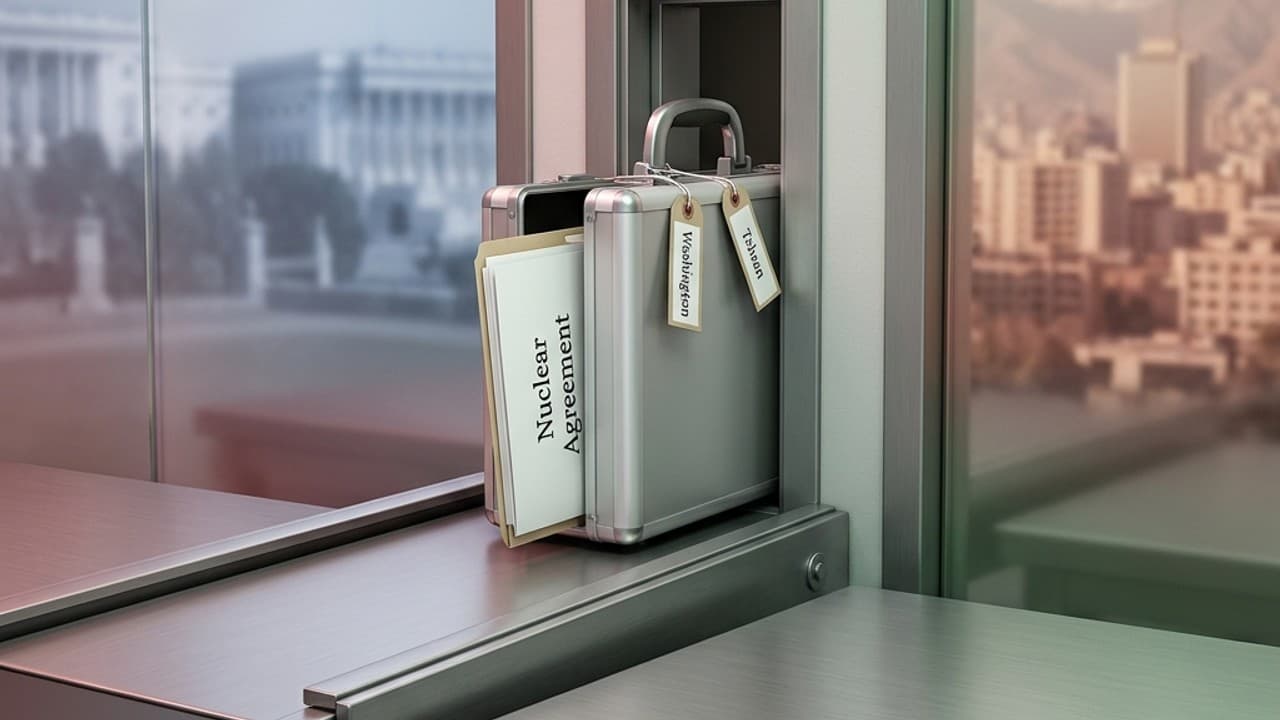
Mojtaba Khamenei to Sign US-Iran Nuclear Deal via Courier
Mojtaba Khamenei, son of Iran's Supreme Leader and a senior figure in the Islamic Revolutionary establishment, is reported to be the designated Iranian signatory on a prospective nuclear deal with the United States, with the signing to take place through an unprecedented courier-based arrangement rather than a direct diplomatic ceremony. The unusual format reflects the profound mutual distrust between Washington and Tehran, as well as security concerns on both sides that have made conventional face-to-face signing impractical.
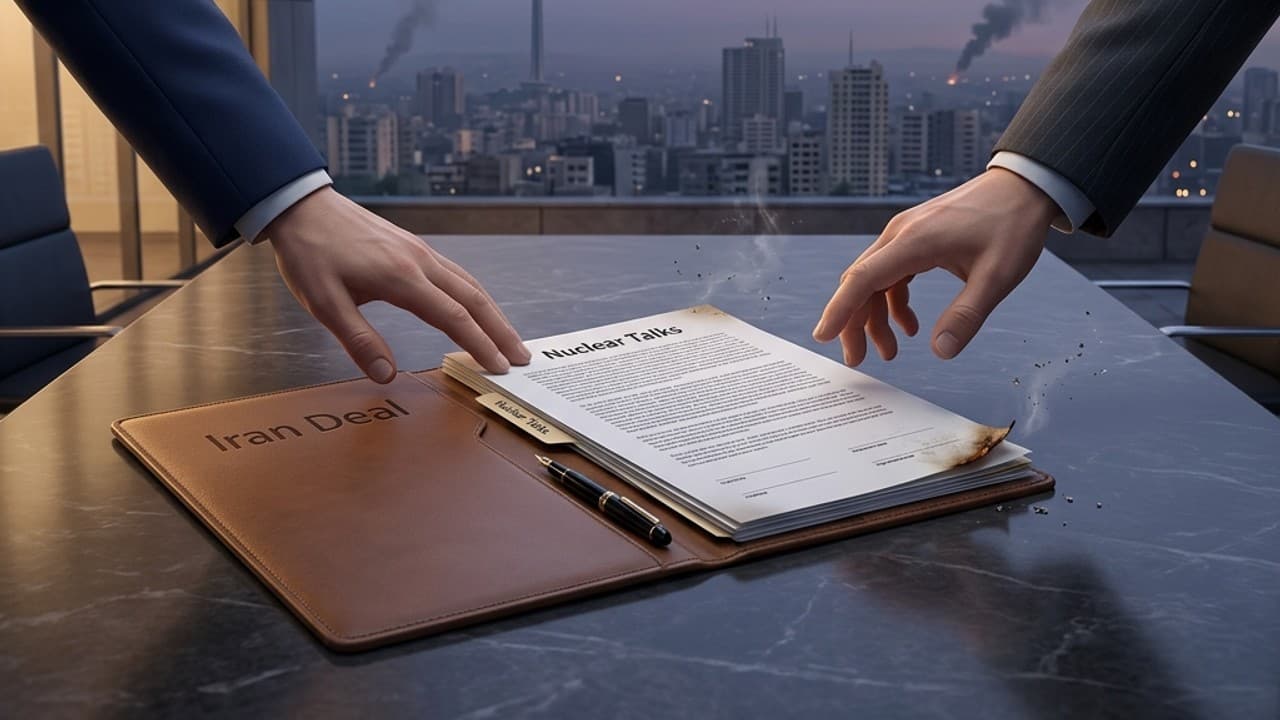
Rubio Says Iran Deal Days Away as US Strikes Continue
US Secretary of State Marco Rubio has stated that a deal with Iran could be reached within days, even as the United States launched fresh military strikes against Iranian targets. The simultaneous pursuit of diplomacy and military pressure represents the sharpest articulation yet of the Trump administration's dual-track Iran strategy, creating significant uncertainty over the direction and durability of any eventual agreement.