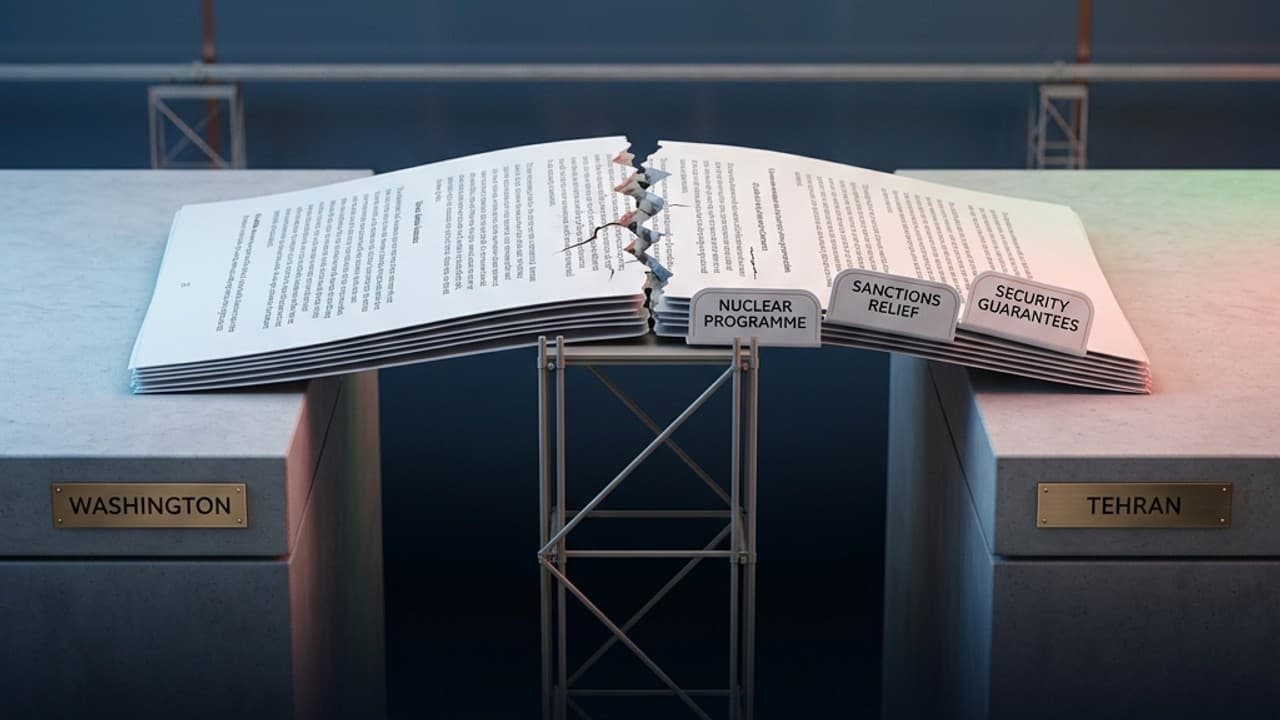
US-Iran Nuclear Talks Progress Amid Deep Trust Deficit
Negotiations between Washington and Tehran over ending the ongoing Iran conflict have advanced to a critical juncture, though significant gaps in trust and substance remain, according to reporting from Dawn. Both sides have engaged in multiple rounds of back-channel and formal diplomacy, yet core disputes over Iran's nuclear programme, sanctions relief, and security guarantees continue to obstruct a final agreement.
Iranian parliamentary speaker Mohammad Baqer Qalibaf reinforced Tehran's cautious posture on Friday, stating that Iran places no trust in words and will evaluate any progress solely on the basis of concrete actions. The statement reflects a hardened negotiating stance from the Iranian side and signals that verbal assurances from Washington are unlikely to unlock major concessions.
The talks are taking place against the backdrop of sustained military conflict, making the diplomatic stakes extraordinarily high. Any breakdown in negotiations risks further escalation, while a breakthrough could reshape the regional security architecture across the Middle East and have far-reaching implications for global energy markets and international non-proliferation frameworks.
Analysts note that the gap between the two sides remains wide on verification mechanisms and the sequencing of sanctions relief against nuclear rollback. The coming weeks are seen as decisive, with mediators from multiple countries working to bridge differences before domestic political pressures on both sides foreclose further diplomatic space.
Similar Stories
Background and related coverage on this story.
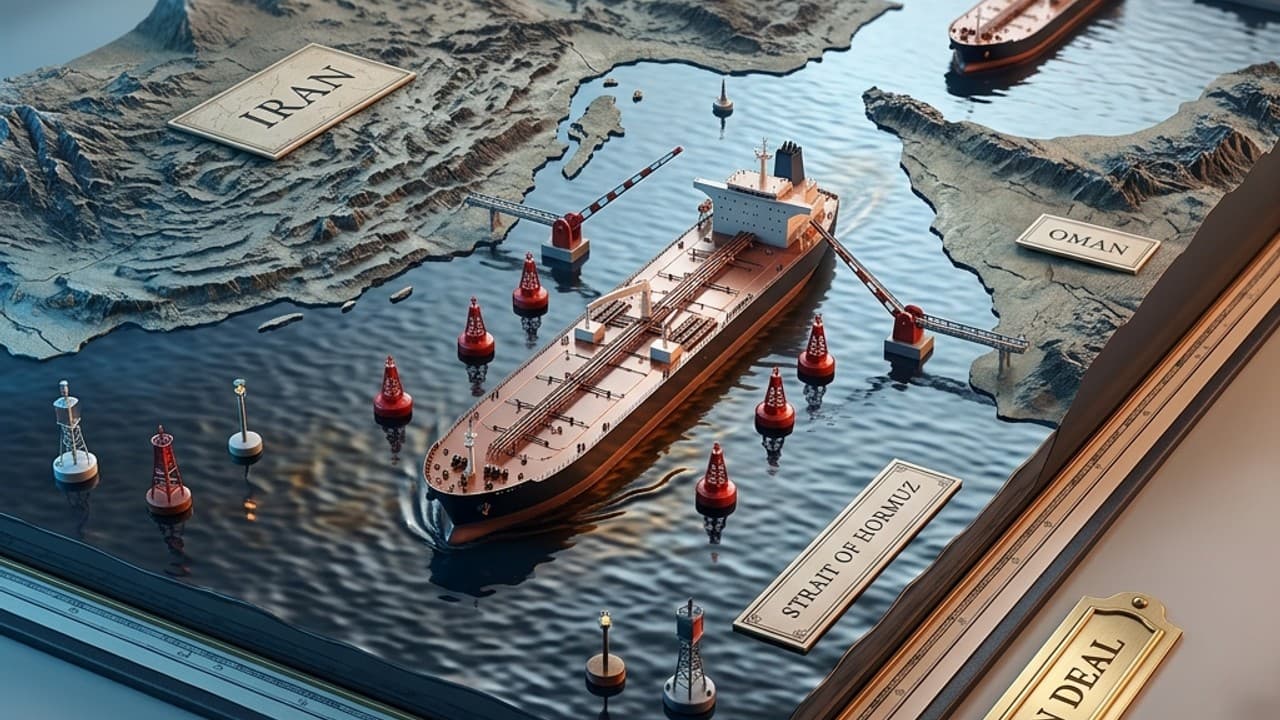
Trump Says Iran Deal Decision Imminent, Demands Hormuz Strait Opening
US President Donald Trump declared on Friday that a decision on a potential deal with Iran is imminent, and issued a direct demand that the Strait of Hormuz must remain open, raising the stakes in an already volatile standoff with significant consequences for global energy markets. Trump's statement represents one of the sharpest public ultimatums issued by Washington in the current Iran nuclear negotiating cycle.
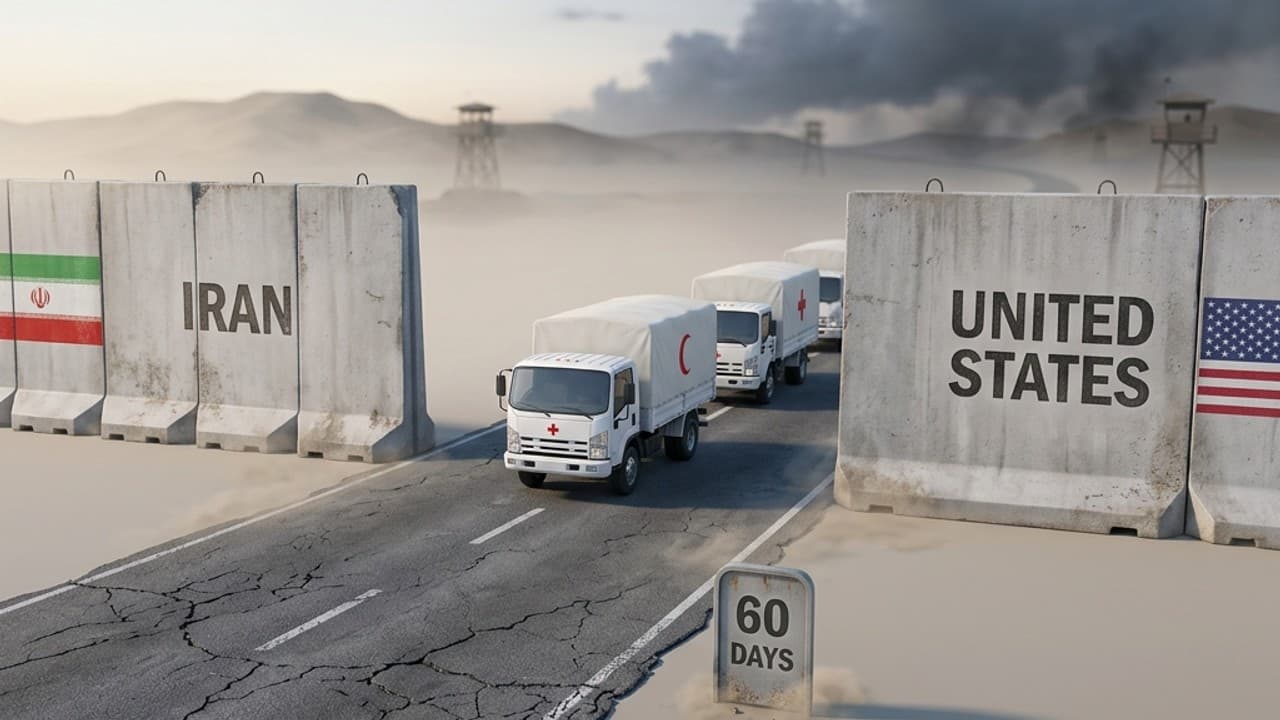
Iran and US Agree Plan for 60-Day Ceasefire Extension
Iran and the United States have reached a tentative agreement on a framework to extend the existing ceasefire by 60 days following the latest wave of military attacks, diplomatic sources confirmed. The agreement marks a significant, if fragile, step in de-escalating one of the most volatile confrontations in the Middle East in recent years.
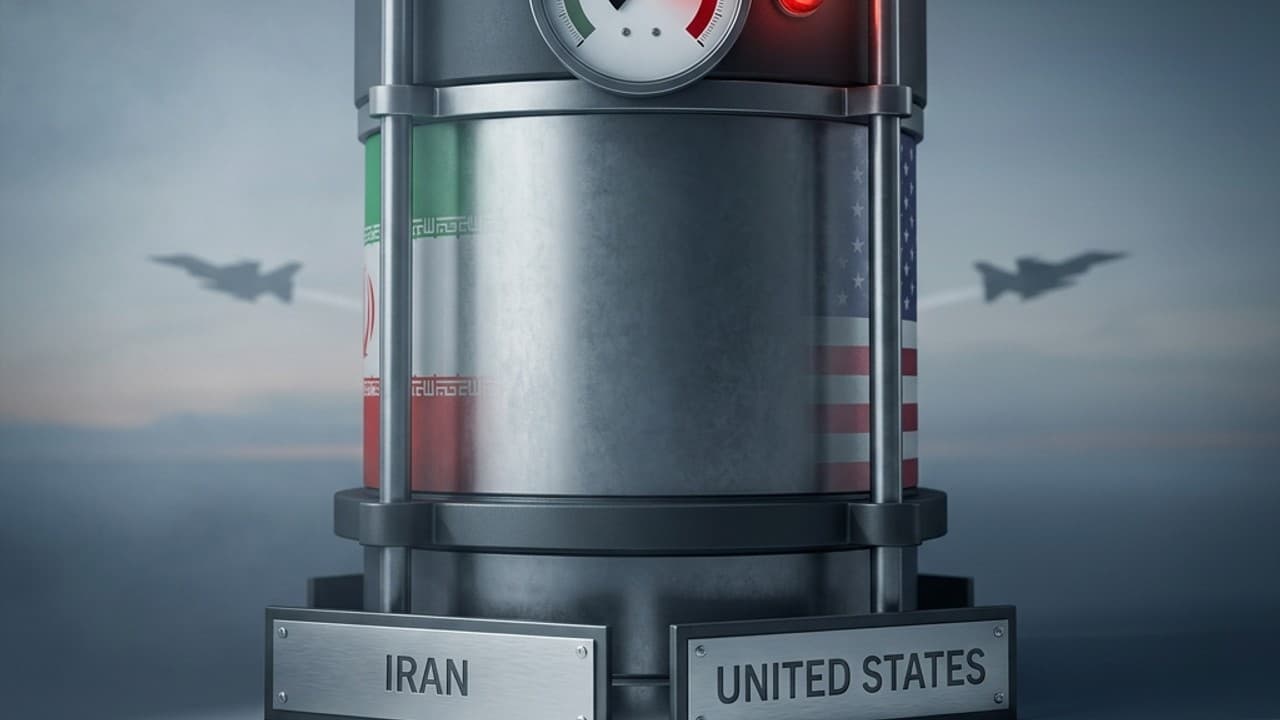
Iran Issues Nuclear Ultimatum as Military Tensions With US Intensify
Iran has issued a blunt nuclear ultimatum as tensions with the United States reached a new peak, with the confrontation marking one of the most dangerous flashpoints in relations between Tehran and Washington in years. The development comes amid reports of mutual airstrike exchanges that have dramatically elevated the risk of broader regional conflict.
Trump Cabinet Signals Iran Nuclear Deal Progress Within Days
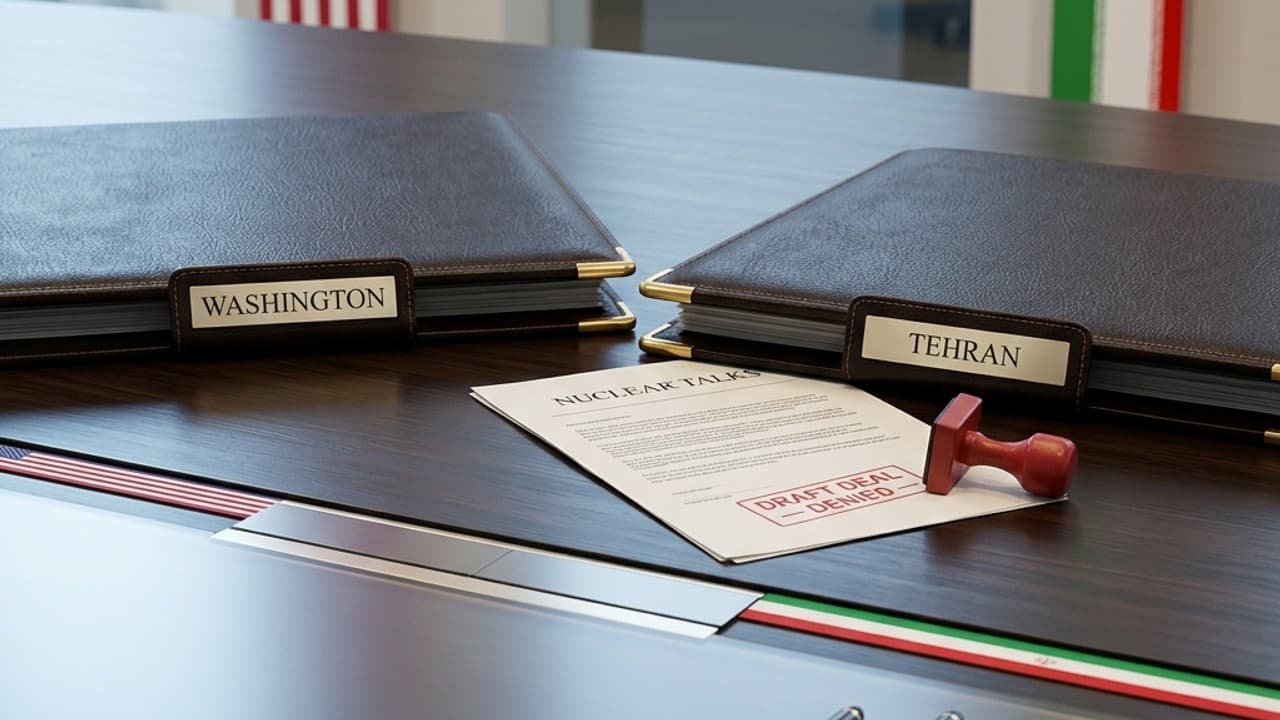
Senior members of the Trump administration expressed cautious optimism on Wednesday, signalling that a potential nuclear agreement with Iran could materialise within hours or days, as diplomatic talks entered a critical phase. Cabinet officials publicly indicated forward momentum in negotiations, raising expectations of a breakthrough in one of the most consequential diplomatic undertakings of the administration.
Iran Says Draft Nuclear Deal Would Reopen Strait of Hormuz Shipping
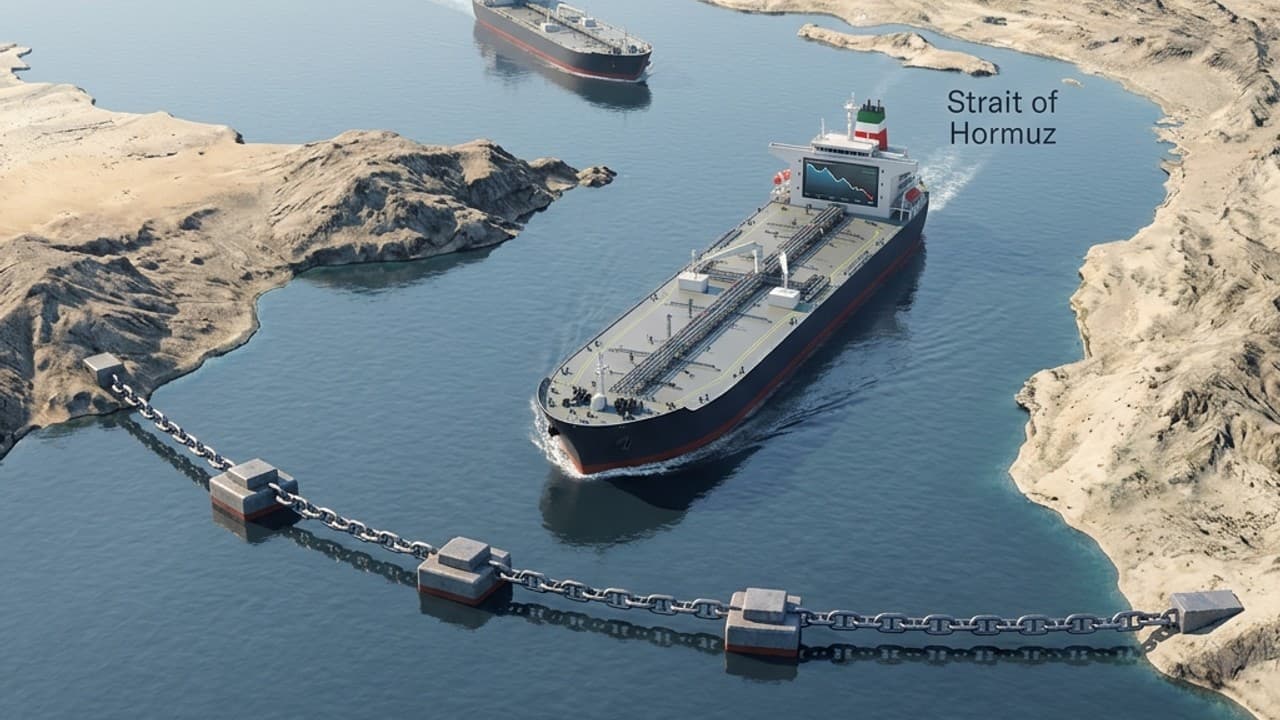
Iranian officials have stated that a draft agreement under negotiation with the United States would result in the reopening of the Strait of Hormuz to international shipping and the lifting of a naval blockade that has disrupted global energy flows. The disclosure represents the most substantive public signal yet of progress in the ongoing talks between Washington and Tehran.
Mojtaba Khamenei to Sign US-Iran Nuclear Deal via Courier
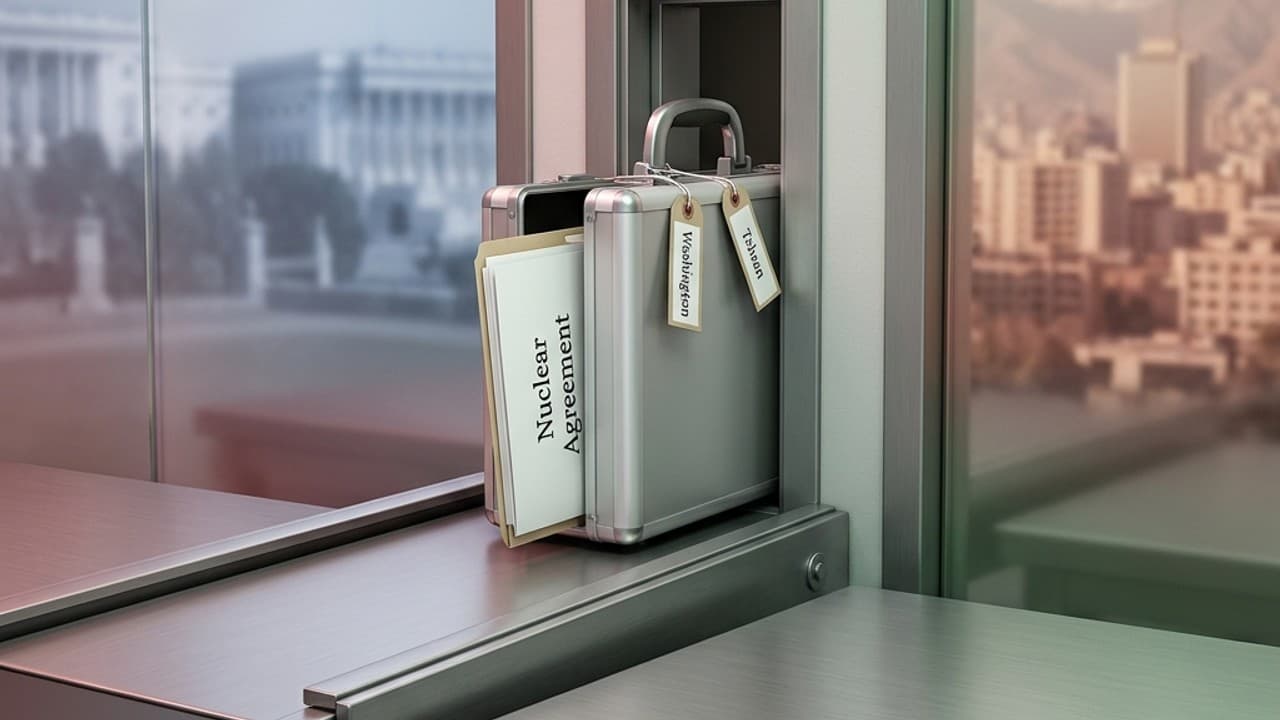
Mojtaba Khamenei, son of Iran's Supreme Leader and a senior figure in the Islamic Revolutionary establishment, is reported to be the designated Iranian signatory on a prospective nuclear deal with the United States, with the signing to take place through an unprecedented courier-based arrangement rather than a direct diplomatic ceremony. The unusual format reflects the profound mutual distrust between Washington and Tehran, as well as security concerns on both sides that have made conventional face-to-face signing impractical.